
Monsoon Panchakarma Retreat: Why the Rains Are Ayurveda’s Most Powerful Healing Season
The first rains have arrived over Peacock Valley. The hills above Khadakwasla have turned a deep, breathing green, the air has cooled, and the earth has released that unmistakable petrichor that signals one thing to every therapist in India: Varsha Ritu — the Panchakarma season — has begun.
For thousands of years, Ayurveda has taught that healing is not only about what treatment you receive, but when you receive it. And of all the windows in the Ayurvedic calendar, the monsoon months — roughly June to September — are held by the classical texts as the most therapeutically responsive season for deep cleansing and renewal.
If you have been postponing your reset — carrying the fatigue of a long summer, the digestive sluggishness, the stiffness, the mental fog — this is the season the ancient physicians were pointing to. Here is why, and how Swastik Wellbeing Sanctuary helps you embrace it fully.
Why Monsoon Is the Ideal Season for Panchakarma Retreat in India
1. The body is at its most receptive
Ayurveda divides the year into six seasons (Ritus), each shifting the balance of the three doshas. The transition from the hot, depleting summer (Grishma) into the monsoon (Varsha) leaves the body in a uniquely open state:
- Channels (srotas) open up. The cool humidity of the rains softens the tissues and opens the body’s subtle channels, allowing medicated oils and herbal preparations to penetrate deeper than in any other season. This is why therapies like Abhyanga, Snehana, and Basti are considered most effective now.
- Tissues are soft and pliable. Deep detoxification proceeds with fewer aggravations because the body does not have to fight extreme heat or dryness during treatment.
2. Vata is at its annual peak — and Panchakarma is its master therapy
According to Ayurvedic understanding, Vata dosha aggravates naturally during monsoon — driven by cold winds, atmospheric moisture, and irregular temperatures. Since vitiated Vata is regarded in Ayurveda as the root of the majority of disorders (from joint pain and anxiety to insomnia and digestive irregularity), the monsoon becomes the ideal moment for a complete Vata reset. Basti, the principal Vata therapy among the five karmas, is specifically recommended in this season.
3. Agni weakens — and ama accumulates
During Varsha Ritu, the digestive fire (agni) naturally dims. Counterintuitively, this is an advantage for Panchakarma: a quieter agni supports the light, controlled therapeutic diet that accompanies cleansing, and the body can direct its resources toward elimination of accumulated toxins (ama) rather than heavy digestion or temperature regulation.
4. The classical texts say so
This is not modern marketing. The Charaka Samhita and Ashtanga Hridaya specifically identify Varsha Ritu as an ideal period for Panchakarma — particularly Basti — and prescribe seasonal regimens (Ritucharya) including oil massage, powder massage (Udvartana), and dietary adjustments to protect digestion through the rains. Across India, this wisdom survives in living tradition: in Kerala it is honoured as the Karkidaka treatment month; in Maharashtra’s Sahyadris, the same season transforms our valleys into the greenest, stillest healing environment of the year.
5. Modern observations agree
Contemporary Ayurvedic centres and published reviews report measurably better outcomes for monsoon-season Panchakarma — including deeper transdermal absorption of medicated oils in humid conditions and greater relief in joint and musculoskeletal complaints compared to summer treatment. (Team note: one Kerala retreat cites a 2023 Journal of Ayurveda and Integrative Medicine review for a 25% greater reduction in joint-pain scores during rainy-season Panchakarma — please verify the primary paper before quoting the figure; the qualitative claim is safe.) Practitioners also observe improved sleep during treatment — aided, quite simply, by cooler nights and the rhythm of rainfall.
What This Means Practically
| Seasonal Condition (Varsha Ritu) | Why It Helps Your Panchakarma |
|---|---|
| High humidity, open pores & channels | Deeper absorption of medicated oils during therapies such as Abhyanga and Snehana. |
| Soft, pliable tissues | Enables a gentler yet deeper detoxification process with fewer aggravations. |
| Naturally low agni (digestive fire) | The body adapts more easily to a light, therapeutic Panchakarma diet. |
| Vata at its peak | Basti and the complete Panchakarma sequence deliver their maximum corrective and balancing effect. |
| Cool air, no extreme heat | The body’s energy is directed toward healing rather than temperature regulation. |
| Monsoon stillness, fewer travellers | Encourages deeper rest in a quieter sanctuary with an undisturbed healing routine. |
How Swastik Embraces the Season: A Holistic, Oriental Approach to Panchakarma
At Swastik Wellbeing Sanctuary, Panchakarma is never a standalone procedure. Our 51-acre sanctuary in Peacock Valley, Khadakwasla, practices what the classical tradition always intended: cleansing the body while restoring the whole person. During the monsoon, every element of the sanctuary aligns with the season.
Vaidya-led, constitution-first
Every seeker’s journey begins with a detailed prakriti (constitution) and vikriti (current imbalance) assessment by our doctors. Your 14-day Panchakarma — Purvakarma preparation, the prescribed cleansing karmas, and Paschatkarma rejuvenation — is then sequenced for your body in this season, with oils, herbs, and diet adjusted for Varsha Ritu’s elevated Vata.
Holistic and Oriental healing methods, woven around the cleanse
Panchakarma works best when the mind and breath are treated alongside the body. Swastik integrates the broader Oriental wellness tradition into the daily rhythm of treatment:
- Yoga and pranayama — gentle, Vata-pacifying sequences suited to monsoon mornings, supporting circulation and elimination without depleting strength
- Meditation and dhyana practices — held in our dedicated contemplative spaces, deepening the stillness the season naturally offers
- Sattvic Ayurvedic cuisine — warm, light, freshly prepared meals aligned to your dosha and treatment phase, following the monsoon dietary wisdom of the texts
- Dinacharya (daily routine) training — so the discipline of the sanctuary becomes a rhythm you carry home
- Healing environment as therapy — rain over the valley, the Khadakwasla backwaters, walking paths through 51 green acres; in Ayurveda, the environment is not a backdrop to treatment, it is part of the medicine
Healing across the Five Dimensions
Swastik’s philosophy holds that true wellbeing extends across five dimensions — Health, Wealth, Love, Bliss, and Spirituality — and a monsoon Panchakarma touches all five:
- Health — the visible dimension: detoxification, restored agni, better sleep, reduced stiffness and inflammation, renewed energy
- Wealth — not money, but vitality as your true capital; a body cleansed in season works, creates, and sustains effort through the year ahead
- Love — as the body softens and the nervous system settles, relationships do too; seekers consistently describe returning home more patient, present, and open
- Bliss — the quiet contentment (santosha) that surfaces when ama leaves the body and the mind clears; monsoon’s stillness amplifies it
- Spirituality — Panchakarma in its classical intent is preparation: a purified body and calm mind become a vessel for deeper practice, reflection, and self-knowledge
This is the difference between a detox and a transformation — and it is why the season’s invitation deserves a whole-person response.
Who Should Consider a Monsoon Panchakarma
A Varsha Ritu Panchakarma is especially relevant if you are experiencing:
- Joint pain, stiffness, or musculoskeletal complaints that worsen in damp weather
- Digestive sluggishness, bloating, or irregular appetite
- Stress, burnout, anxiety, or disturbed sleep
- Skin concerns, allergies, or low seasonal immunity
- Metabolic and lifestyle imbalances you’ve intended to address “when the time is right”
The time, quite literally, is now. (As with any therapeutic programme, suitability is confirmed by our doctors during pre-programme consultation; certain conditions and stages of life require modified protocols.)
Frequently Asked Questions
When exactly is Panchakarma season?
Varsha Ritu — the Indian monsoon — spans roughly June to September. Classical texts including the Charaka Samhita identify this window as ideal for Panchakarma, particularly Basti therapy.
Is it comfortable to do Panchakarma during the rains?
Yes — arguably more comfortable. Treatment days are spent within the sanctuary in a structured indoor routine; the cool air, green valley, and sound of rain deepen rest rather than disturb it.
How long should my programme be?
Swastik’s flagship is the 14-day classical Panchakarma, which completes all three phases — preparation, cleansing, and rejuvenation. Our doctors will advise the right duration after your consultation.
Can beginners do a monsoon Panchakarma?
Absolutely. The season’s gentleness on the body actually suits first-timers — and every programme is calibrated to your constitution and current health by our physicians.
How do I book?
Begin with our Panchakarma consultation form. Our team will arrange a pre-programme call with a doctor to assess your goals and reserve your dates within the season.
The Season Will Not Wait — Neither Should You
Every tradition has its sacred timing. Farmers sow with the rains; Ayurveda cleanses with them. The texts wrote it down millennia ago, generations of doctors have honoured it, and the valley outside our windows announces it every June.
Panchakarma season is here. Embrace it.
About Dr. Neethu S.
Designation: Senior Ayurvedic Physician
Qualification: BAMS
Experience: 11+ Years
Specialisation: Ayurveda, Panchakarma, Preventive Healthcare
A graduate of Dhanwanthari Ayurveda College, Hospital & Research Centre, Dr. Neethu brings over 11 years of experience in Ayurveda across India and international wellness centres. She specialises in authentic Ayurvedic therapies, preventive healthcare, Panchakarma, and personalised healing protocols.
Related Blogs
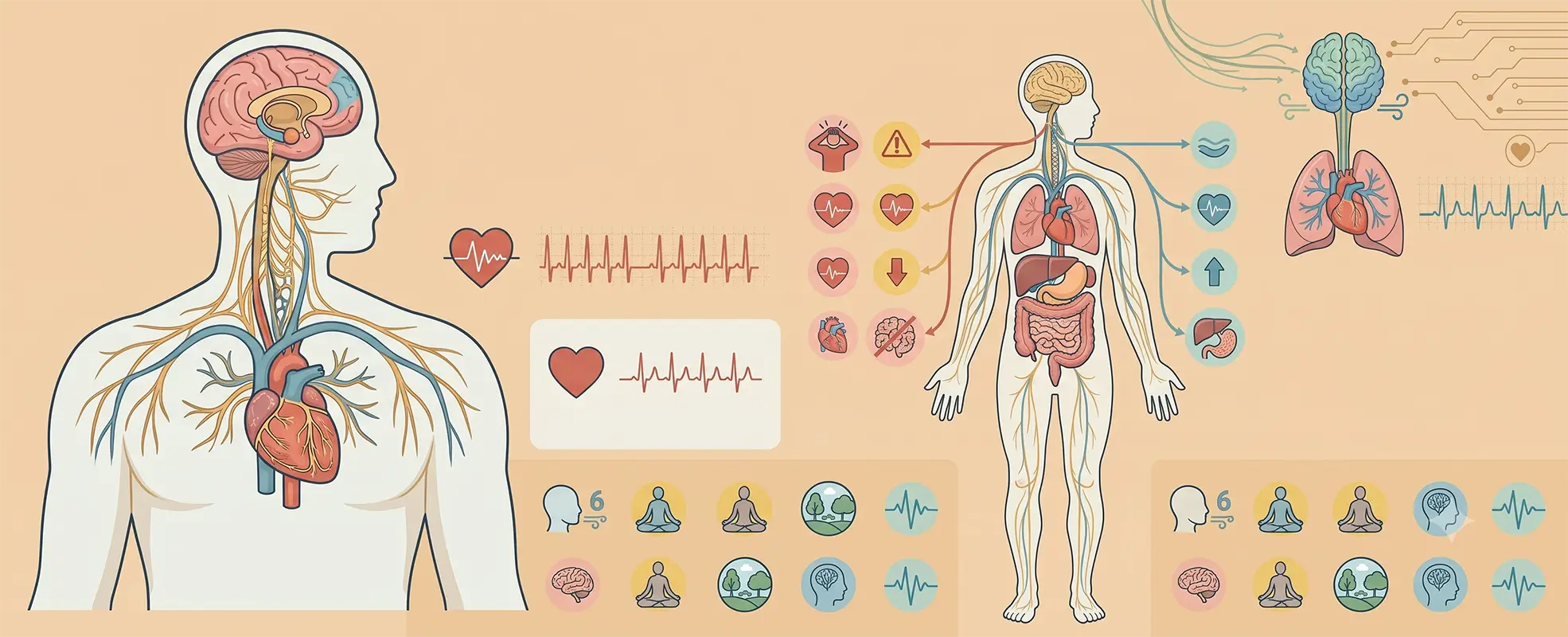
The vagus nerve is the main nerve of the parasympathetic nervous system, forming a two-way communication line between the brain and the heart, lungs and digestive tract.
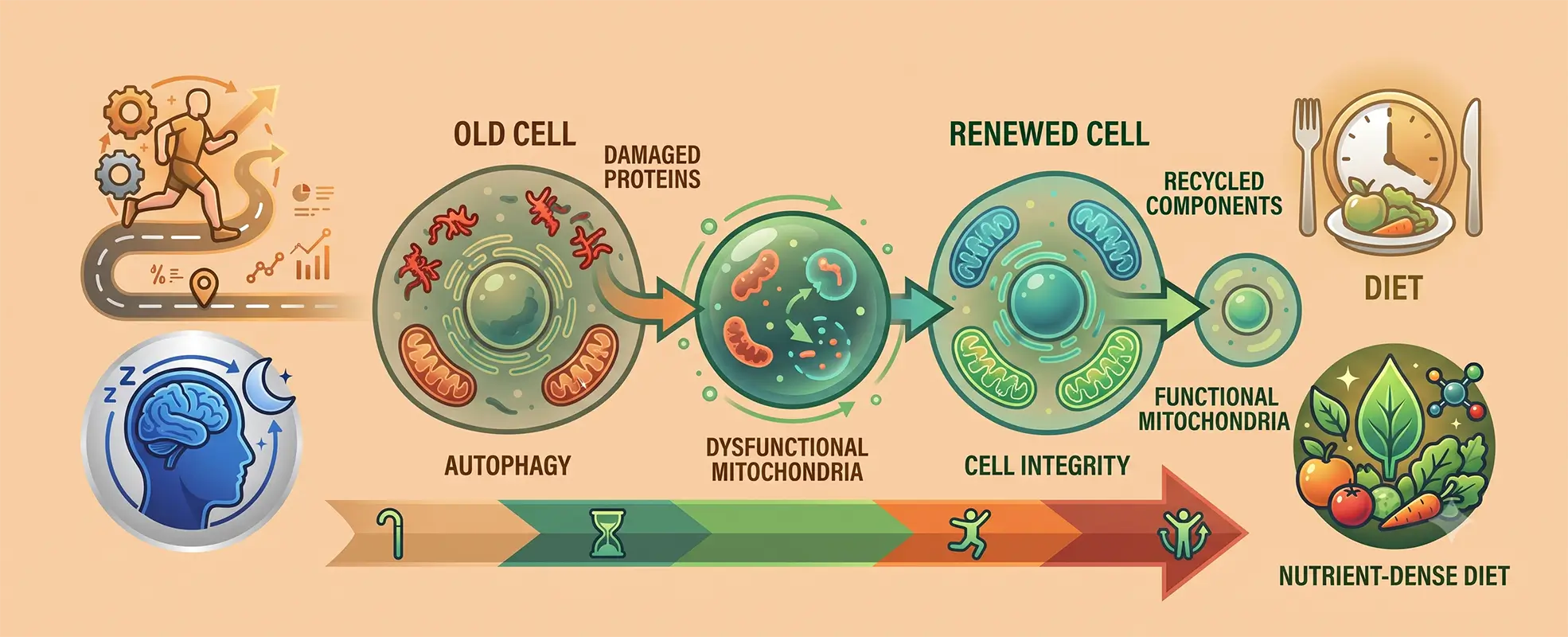
Autophagy is the body's cellular recycling system. Cells identify damaged proteins and dysfunctional mitochondria, break them down, and reuse the components.
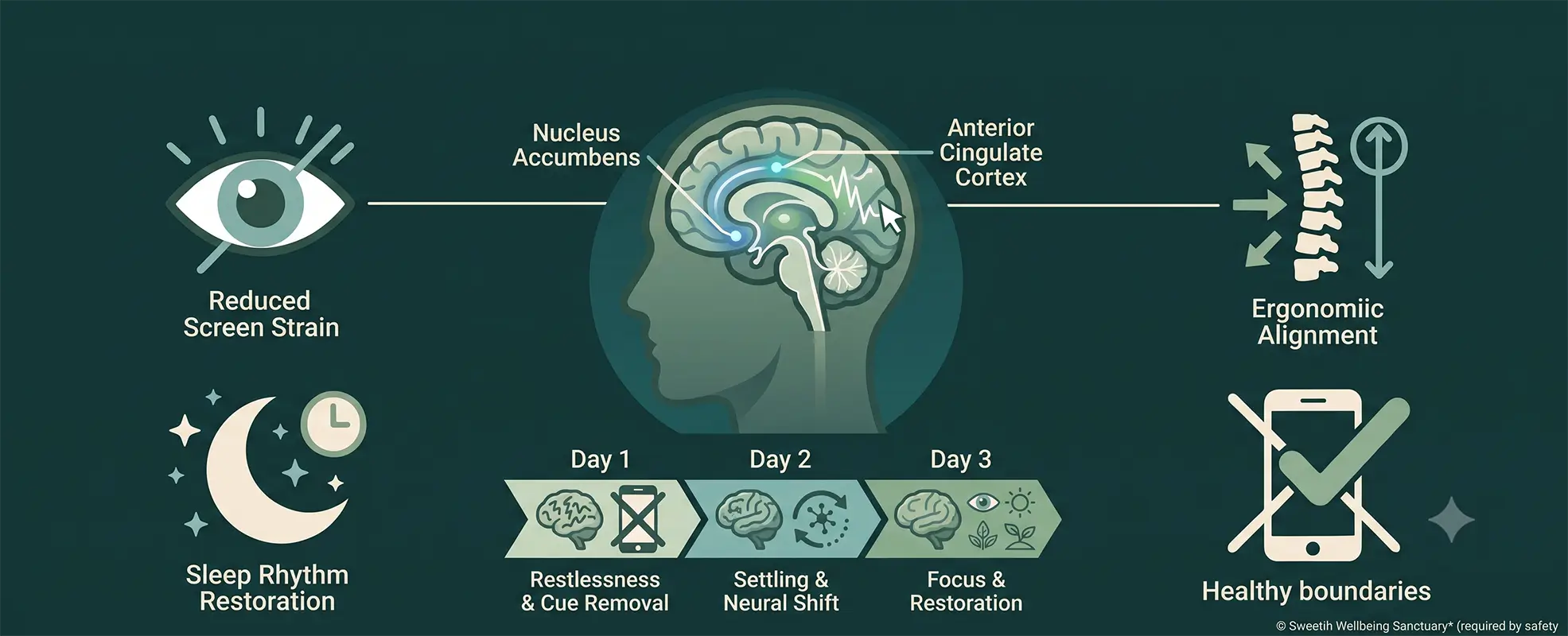
A 72-hour digital detox is a three-day period in which smartphone use is cut back to essentials, with recreational scrolling removed entirely
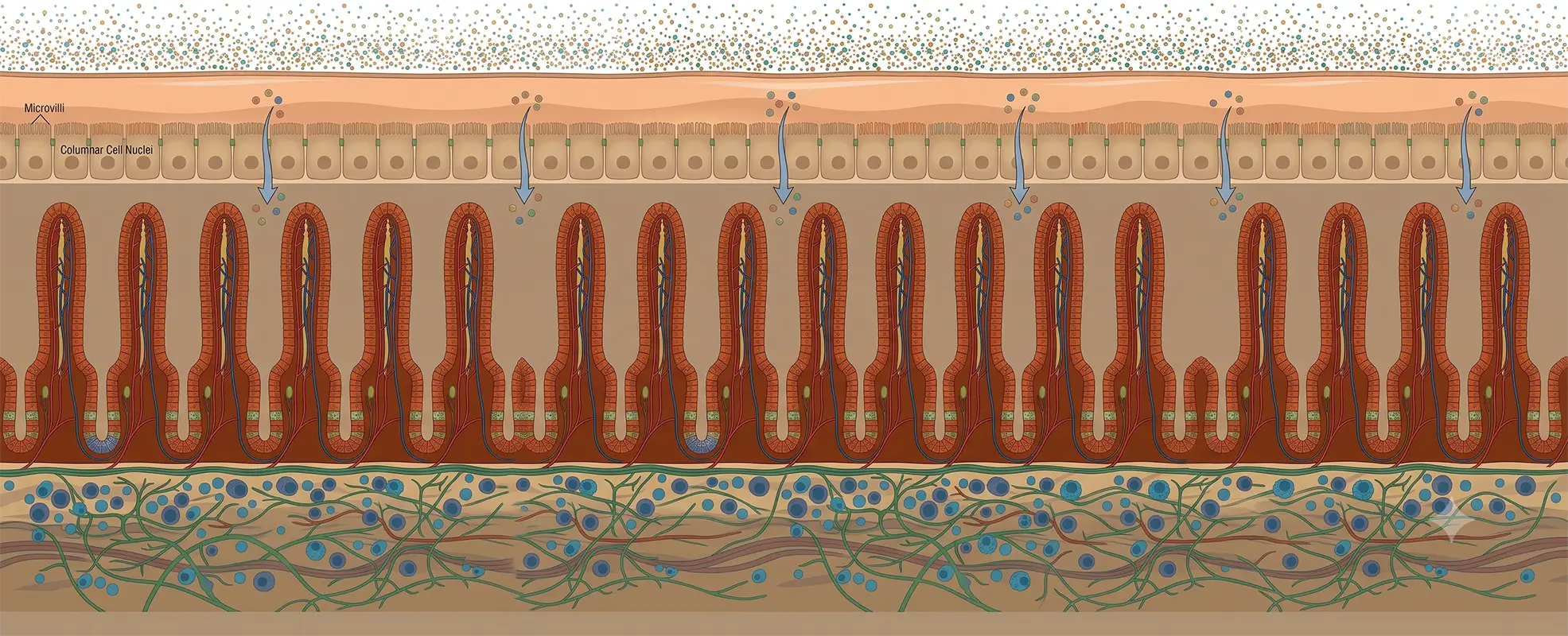
The intestinal epithelium is the most rapidly renewing tissue in the human body, and gut lining regeneration replaces the entire lining
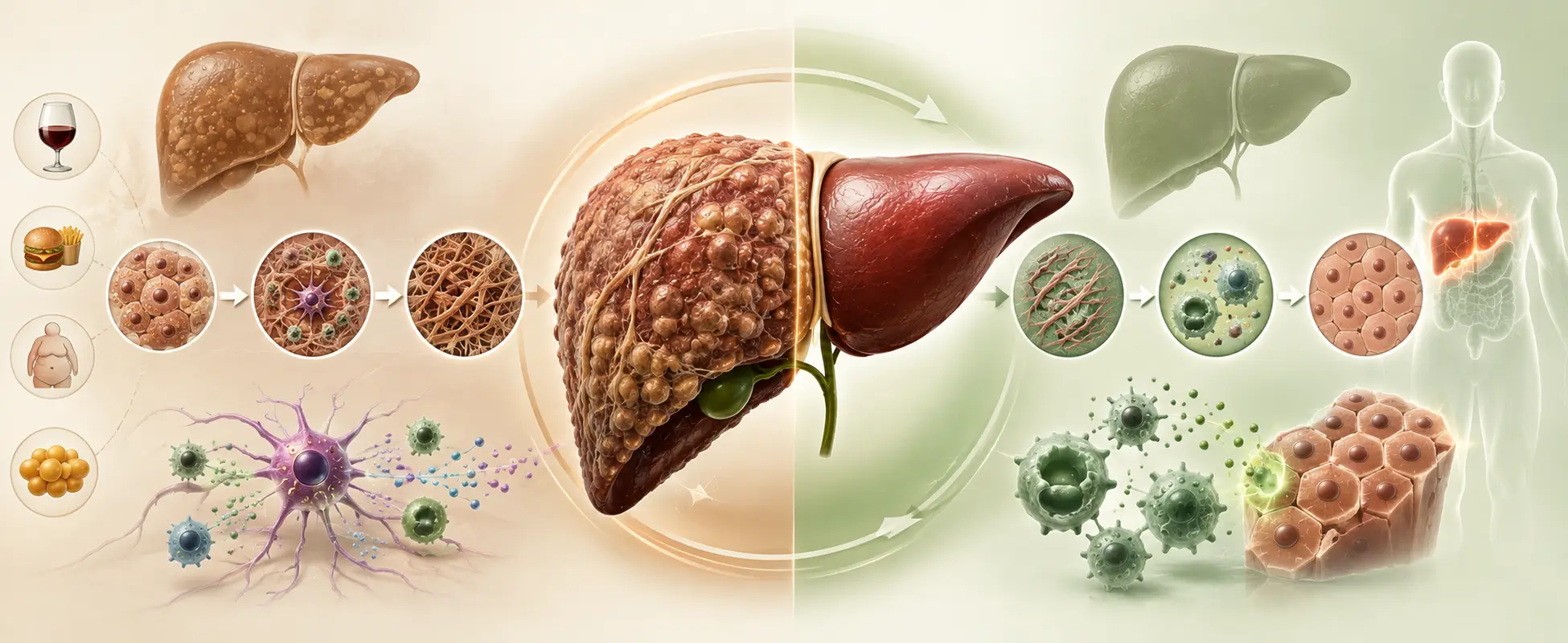
The liver is the only internal human organ capable of substantial regeneration after significant tissue loss.
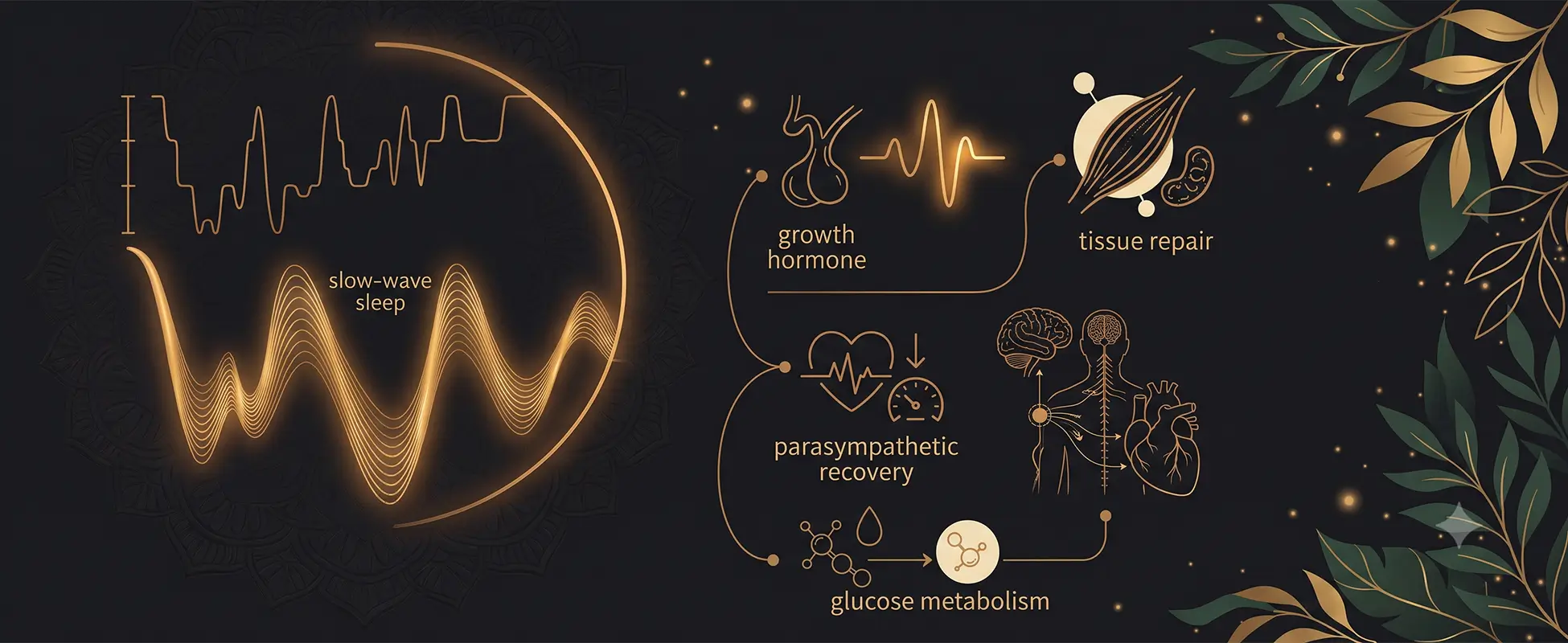
Sleep optimisation is the practice of protecting sleep architecture - the proportion of deep and REM sleep...
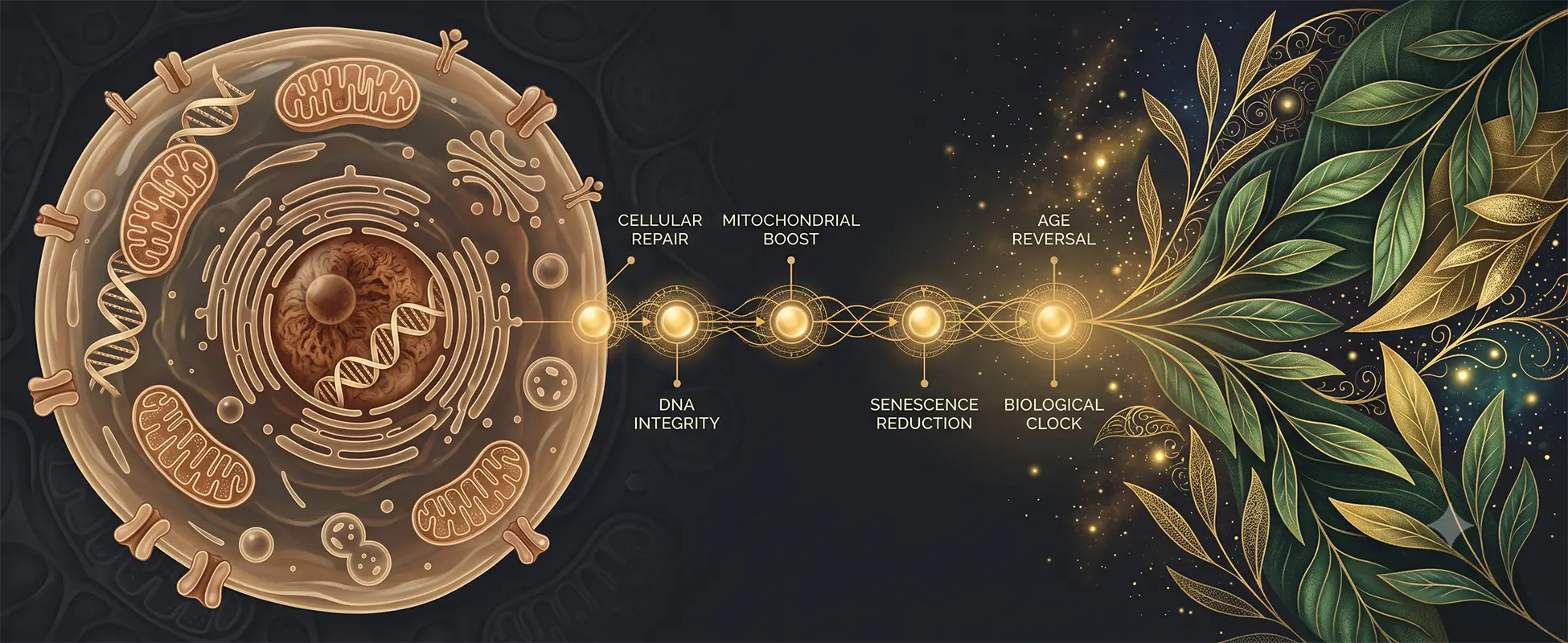
The hallmarks of ageing are the cellular and molecular processes that drive biological ageing...
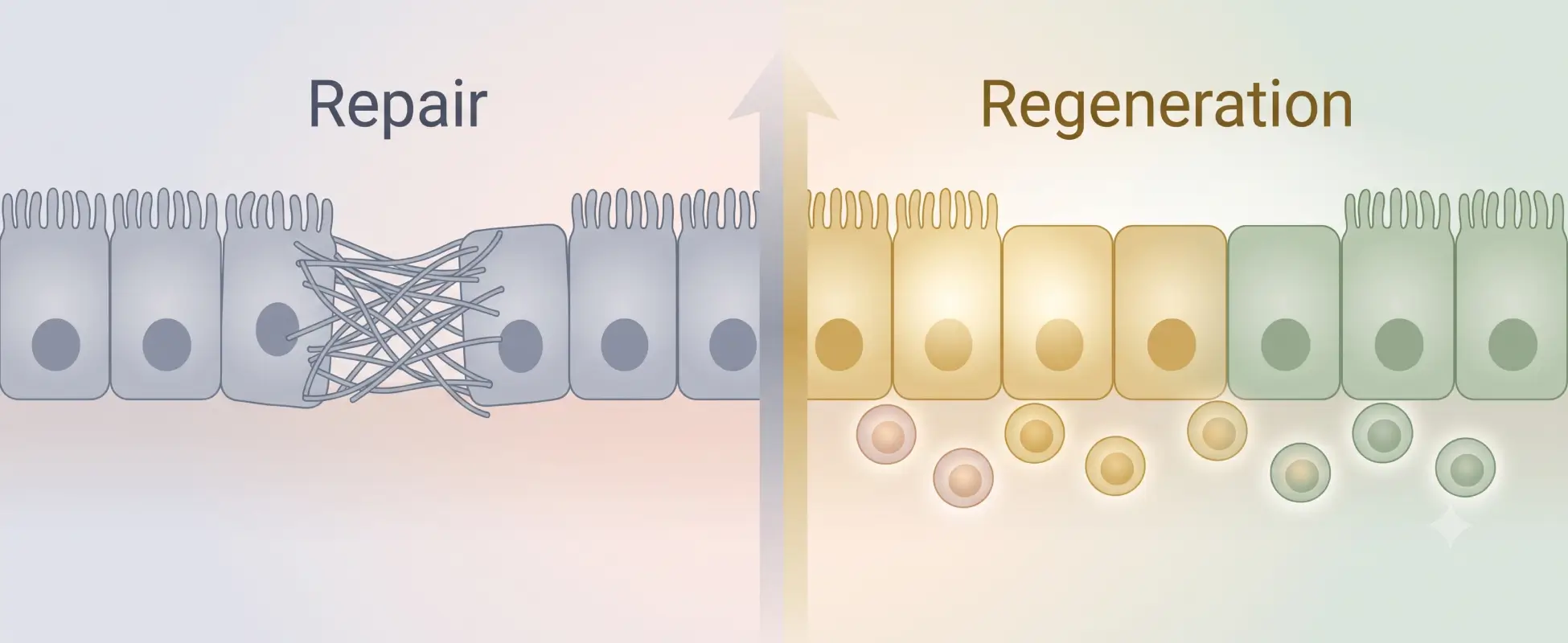
Repair is the body's emergency response — it seals damage with collagen scar tissue that never regains original function.
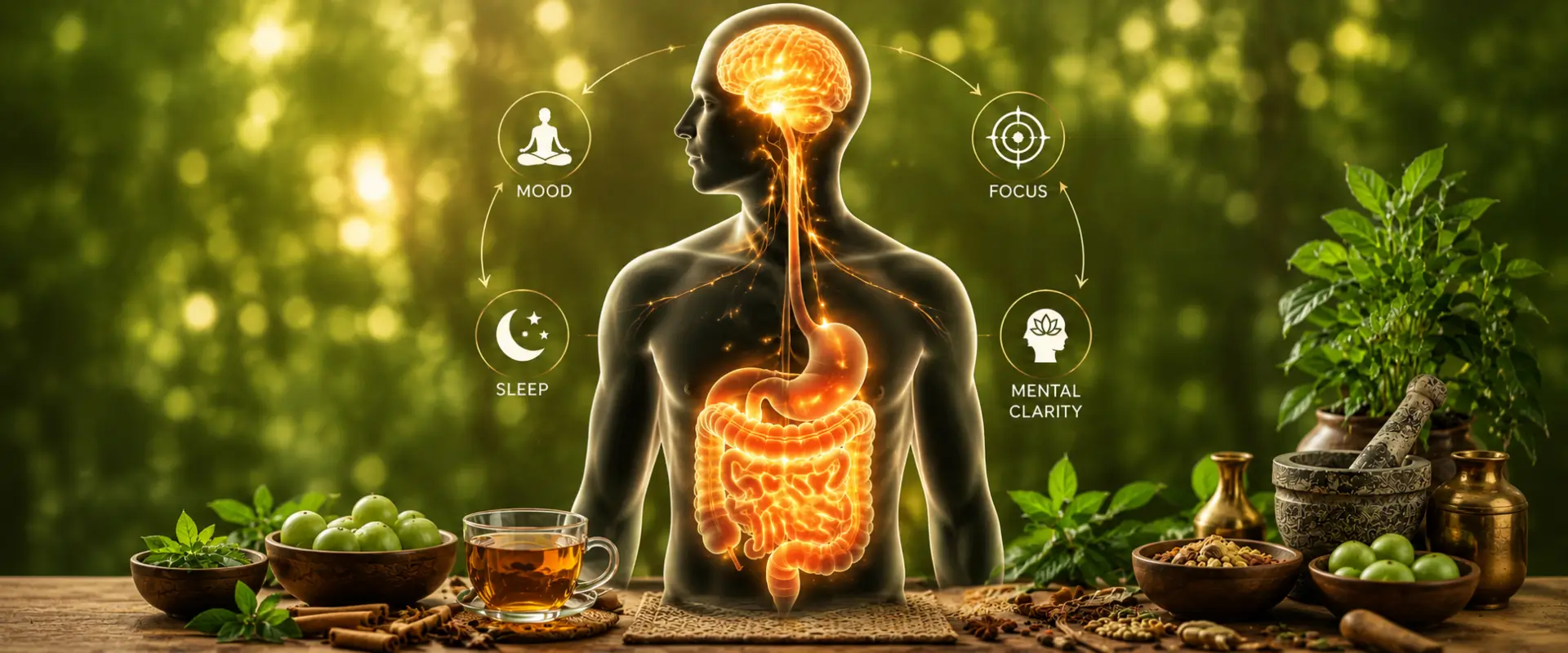
You have felt it, even if you never named it. The knot in your stomach before a difficult conversation. The way anxiety travels straight to your abdomen.