
Panchakarma Beyond Kerala: How to Choose Your Ayurvedic Detox Destination
If you have spent any time researching an authentic Panchakarma retreat in India, you have almost certainly arrived at one conclusion: Kerala. For decades, “God’s Own Country” has been the default answer for travellers from the USA, Germany, the UK, France, Switzerland and across Europe seeking genuine Ayurvedic healing. And Kerala has earned that reputation — its unbroken lineage of Vaidyas, its Ashtavaidya tradition, and its humid climate that supports oil-based therapies have made it the global face of Ayurveda.
But increasingly, discerning wellness travellers are asking a sharper question — not “which Kerala resort?” but Panchakarma in Kerala vs Pune: which is actually right for me? A new generation of clinically rigorous, programme-led Ayurvedic sanctuaries in the Sahyadri hills of Western India — within easy reach of Mumbai and Navi Mumbai international airports — now offers the same classical Panchakarma protocols with greater privacy, modern infrastructure, and a depth of personalisation that crowded coastal resorts struggle to match. This guide compares the two honestly, so you can choose the right Ayurvedic detox destination for your needs.
Panchakarma in Kerala vs Pune: The Comparison at a Glance
Before the detail, here is how the two destinations compare on the factors that matter most to international wellness seekers.
| Factor | Kerala | Pune / Sahyadri (Swastik Wellbeing) |
|---|---|---|
| Ayurvedic authenticity | Unbroken Vaidya lineage; Ashtavaidya tradition | Same classical texts; physician-led, doctor-designed protocols |
| Climate | Humid, coastal; ideal for oil therapy but heavy for some Western guests | Drier, milder valley climate; comfortable across a longer season |
| Airport access | Often 2–4 hrs’ drive from Kochi / Trivandrum | 1.5 hrs from Navi Mumbai, 3 hrs from Mumbai, 1 hr from Pune airport |
| Crowding | Ayurveda is Kerala’s flagship product; famous centres busy Oct–Mar | ~20 private guhas & villas; intimate by design |
| Privacy & space | Variable; ranges from hospitals to busy resorts | 51-acre single sanctuary, low guest count |
| Model | Menu-led at many centres; quality varies widely | Programme-led; every therapy sequenced to your assessment |
The headline takeaway: authenticity depends on the institution, not the state. Ayurveda’s classical texts were composed across the subcontinent, so what determines your outcome is the rigour of the centre treating you — not which coastline you land on.
What Is Panchakarma? The Five-Fold Detox Explained
Panchakarma (Sanskrit: “five actions”) is Ayurveda’s most comprehensive detoxification and rejuvenation therapy — a medically sequenced programme, not a spa menu. The five classical cleansing procedures are:
- Vamana — therapeutic emesis, clearing excess Kapha
- Virechana — medicated purgation, clearing excess Pitta
- Basti — medicated enemas, the principal therapy for Vata disorders
- Nasya — nasal administration of medicated oils, for head and sinus channels
- Raktamokshana — blood purification (used selectively)
A genuine Panchakarma is delivered in three phases:
- Purvakarma (preparation): internal and external oleation (Snehana) and therapeutic sweating (Swedana) to loosen toxins — ama — from the tissues
- Pradhanakarma (main procedures): the cleansing actions prescribed for your constitution
- Paschatkarma (rejuvenation): graded diet, Rasayana herbs, and lifestyle protocols to rebuild agni (digestive fire)
This is why duration matters. A genuine classical Panchakarma requires a minimum of 14 days; anything shorter is a wellness programme, not a true Panchakarma. Be cautious of resorts — in Kerala or anywhere — offering “Panchakarma packages” of 3–5 days; these are typically massage-led experiences borrowing the name.
Why Wellness Seekers from the West Travel to India for Panchakarma
The pattern is well documented. European guests — particularly from German-speaking countries — increasingly approach Panchakarma as preventive medicine rather than crisis care: an annual deep reset for stress, burnout, metabolic imbalance, poor sleep, and chronic conditions that conventional healthcare manages but rarely resolves. Post-pandemic, India’s “Heal in India” initiative has accelerated this wave of Ayurveda-led wellness tourism.
What discerning travellers now ask — whether comparing Kerala vs Pune or any two centres — has also matured:
- Is the programme physician-led or therapist-led?
- Does it begin with a genuine prakriti (constitution) and vikriti (current imbalance) assessment?
- Are therapies medically sequenced for me, or selected from a menu?
- Is the food, routine, and environment part of the treatment — or is it a hotel with a spa attached?
These questions matter far more than which Indian state you land in.
Kerala’s Strengths — and Its Trade-Offs
A balanced view, because informed seekers deserve one.
What Kerala does brilliantly
- Centuries-old physician lineages and an unbroken teaching tradition
- A humid coastal climate suited to oil therapies
- The monsoon (Karkidakam) treatment season, culturally embedded in Kerala life
- Sheer density of choice — hundreds of centres at every price point
The trade-offs travellers increasingly report
- Crowding and commercialisation — the most famous centres can feel like wellness conveyor belts in peak season (October–March)
- Variable quality — the density of choice cuts both ways; quality ranges from world-class hospitals to massage centres using the Panchakarma label
- Access — many premier retreats are 2–4 hours’ drive from Kochi or Trivandrum airports
- Humidity — wonderful for therapy, less comfortable for some European guests outside the winter window
None of this diminishes Kerala. It simply reframes the question from “Which Kerala resort?” to “Which institution in India will treat me most seriously?”
The Sahyadri Alternative: Classical Panchakarma Near Pune
The Sahyadri range (Western Ghats) — the same UNESCO-recognised mountain system whose southern stretch gives Kerala its medicinal plant wealth — extends north through Maharashtra. Here, in Peacock Valley at Khadakwasla, just outside Pune, sits Swastik Wellbeing Sanctuary: a 51-acre, programme-led Ayurvedic sanctuary built around one idea — that healing requires structure, not just scenery. It is a serious Panchakarma retreat in India for travellers weighing Kerala against the west of the country.
What makes the Pune option different
- Programme-led, not menu-led. Swastik offers 16 structured programmes across three categories — Wellness, Healing, and Wellness Holiday — with the 14-day classical Panchakarma as its flagship. Every journey begins with a doctor-led consultation assessing prakriti and vikriti; every therapy that follows is sequenced to that assessment. Nothing is à la carte.
- A sanctuary, not a resort. Fifty-one acres of valley landscape hold roughly twenty private guhas and villas — by design, an intimate guest count. Healing unfolds across dedicated spaces for treatment, movement and meditation, supported by a sattvic kitchen aligned to your dosha and treatment phase.
- Healing across five dimensions. Swastik’s philosophy addresses wellbeing across Health, Wealth, Love, Bliss and Spirituality — recognising what European seekers consistently report: burnout is never only physical.
- Accessibility. For travellers from Europe, this typically means one long-haul flight plus a short transfer — 1.5 hrs from Navi Mumbai Airport, 3 hours from Mumbai Airport and 1 hr from Pune airport — compared with the longer onward journeys many southern retreats require.
- Climate. Beside the Khadakwasla backwaters, the valley offers a drier, milder climate than coastal Kerala — comfortable across a longer season, while monsoon months (June–September) bring the lush green stillness traditionally considered ideal for deep treatment.
What a 14-Day Panchakarma at Swastik Looks Like
- Days 1–2: Arrival, Vaidya consultation, prakriti & vikriti assessment, programme design
- Days 3–6: Purvakarma — Abhyanga (medicated oil massage), Snehana, Swedana; the body is prepared and toxins mobilised
- Days 7–11: Pradhanakarma — your prescribed cleansing procedures (Virechana, Basti, Nasya as indicated), under daily physician supervision
- Days 12–14: Paschatkarma — graded sattvic diet, Rasayana support, dinacharya education, and a take-home protocol so results last months, not days
Throughout: yoga, pranayama, meditation and rest — because in classical Panchakarma, stillness is part of the medicine. If you are still deciding whether you are ready, the signs your body needs a deep detox are often quieter than you would expect.
The Takeaway
Kerala taught the world to love Ayurveda. But Ayurveda was never confined to one coastline. If you are weighing Panchakarma in Kerala vs Pune and want a classical, physician-led programme — with the privacy of 51 acres, the structure of a true healing programme, and the accessibility of a major international gateway — the valley at Khadakwasla deserves a place on your shortlist. Share your health goals and our team will arrange a pre-programme call with a doctor to assess suitability and recommend dates.
Frequently Asked Questions
Is Panchakarma in Pune as authentic as in Kerala?
Yes. Authenticity depends on the institution, not the state. Classical Panchakarma follows the same Ayurvedic texts everywhere in India. What matters is whether the centre is Vaidya-led, begins with a constitutional assessment, and follows the full Purvakarma–Pradhanakarma–Paschatkarma sequence.
Panchakarma in Kerala vs Pune — which should I choose?
Choose Kerala for its deep-rooted coastal tradition and widest choice of centres; choose Pune and the Sahyadri hills for a drier climate, far shorter airport transfers from Mumbai, greater privacy, and a programme-led model where every therapy is sequenced to your assessment. The right answer depends on your priorities around climate, access and privacy rather than authenticity, which is set by the institution.
How long should a real Panchakarma take?
A classical Panchakarma requires 14 days minimum to complete all three phases safely. Shorter “Panchakarma-inspired” programmes exist, but deep detoxification cannot be compressed.
What is the best time of year to visit Swastik Wellbeing for Panchakarma?
October to March offers the most comfortable weather for international guests. The monsoon (June–September) is traditionally considered an excellent treatment window, with cooler air and the valley at its greenest.
Is Swastik Wellbeing Panchakarma suitable for first-time visitors to India?
Yes. The sanctuary model — airport transfer, all-inclusive residential stay, structured daily routine, dedicated care team — is designed precisely for guests new to India.
Do I need a medical visa for Panchakarma in India?
Most wellness guests travel on a standard e-Tourist visa. Guests coming for medical treatment may consider an e-Medical (AYUSH) visa. Confirm current requirements with the Indian embassy in your country before booking.
About Dr. Neethu S.
Designation: Senior Ayurvedic Physician
Qualification: BAMS
Experience: 11+ Years
Specialisation: Ayurveda, Panchakarma, Preventive Healthcare
A graduate of Dhanwanthari Ayurveda College, Hospital & Research Centre, Dr. Neethu brings over 11 years of experience in Ayurveda across India and international wellness centres. She specialises in authentic Ayurvedic therapies, preventive healthcare, Panchakarma, and personalised healing protocols.
Related Blogs
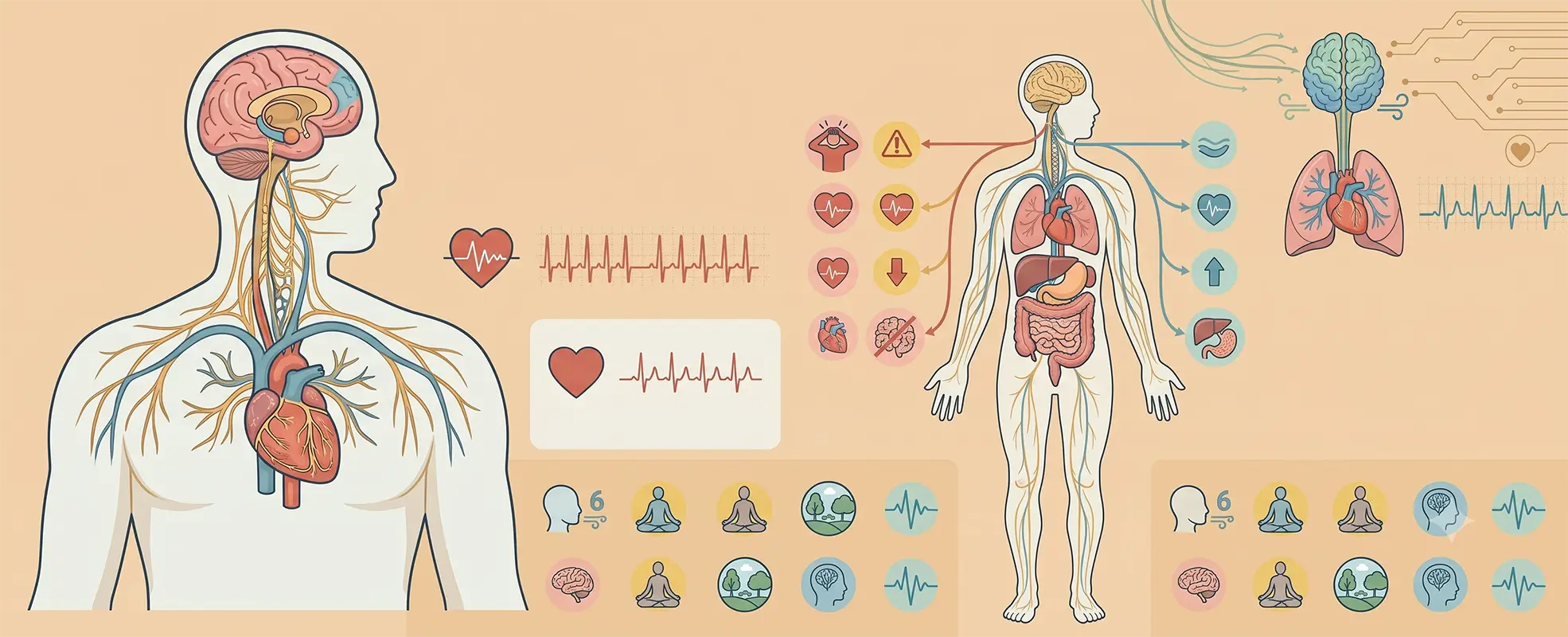
The vagus nerve is the main nerve of the parasympathetic nervous system, forming a two-way communication line between the brain and the heart, lungs and digestive tract.
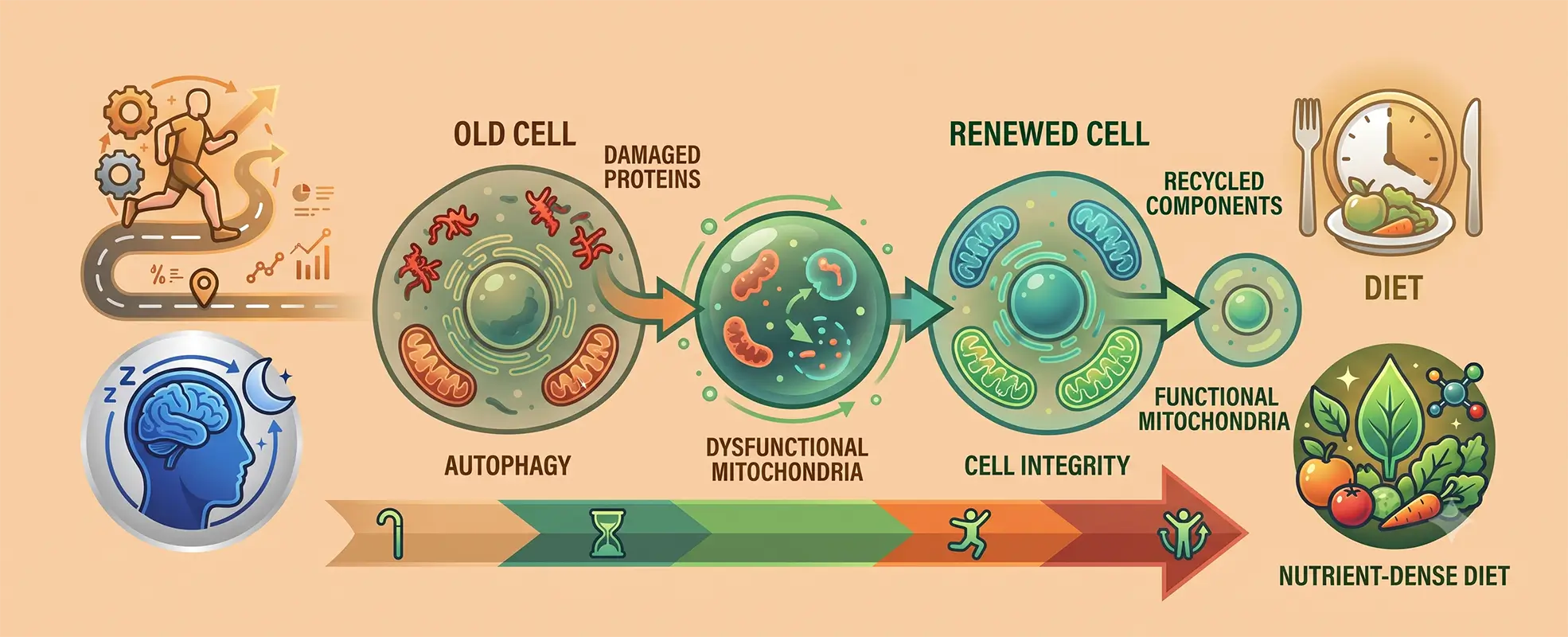
Autophagy is the body's cellular recycling system. Cells identify damaged proteins and dysfunctional mitochondria, break them down, and reuse the components.
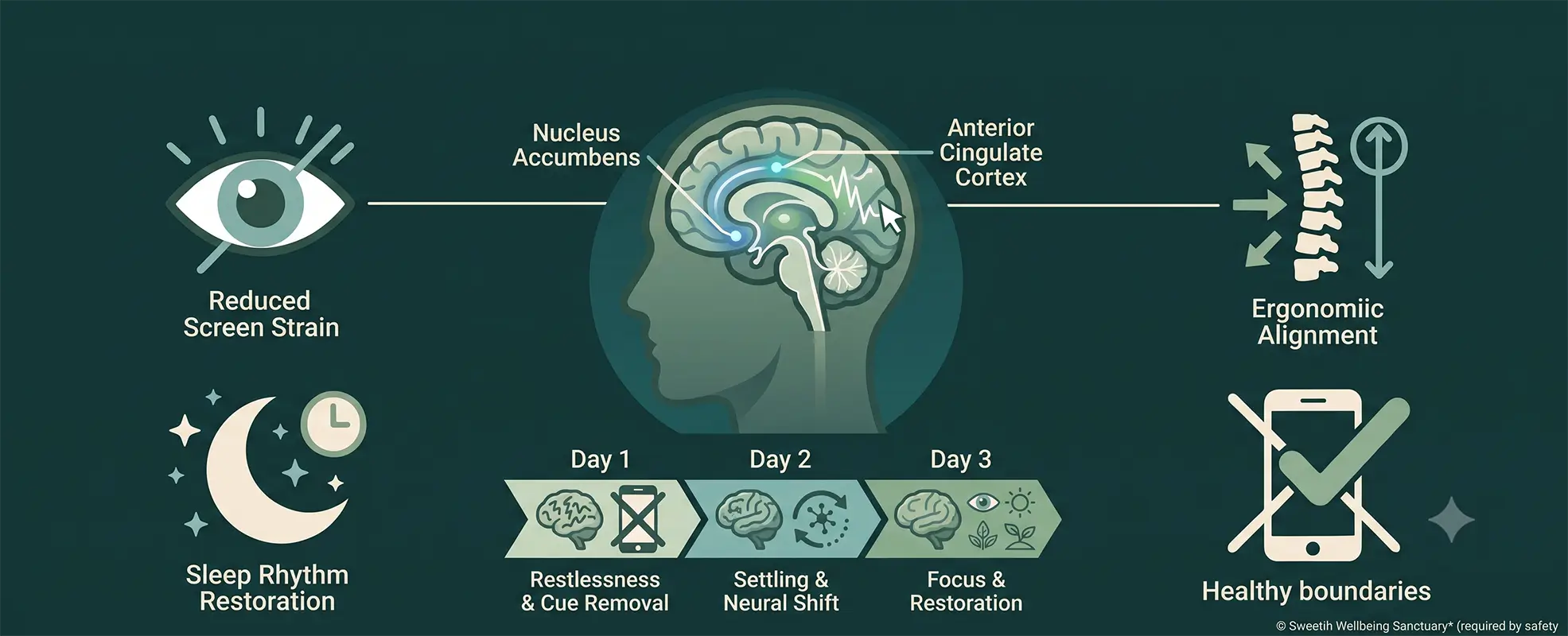
A 72-hour digital detox is a three-day period in which smartphone use is cut back to essentials, with recreational scrolling removed entirely
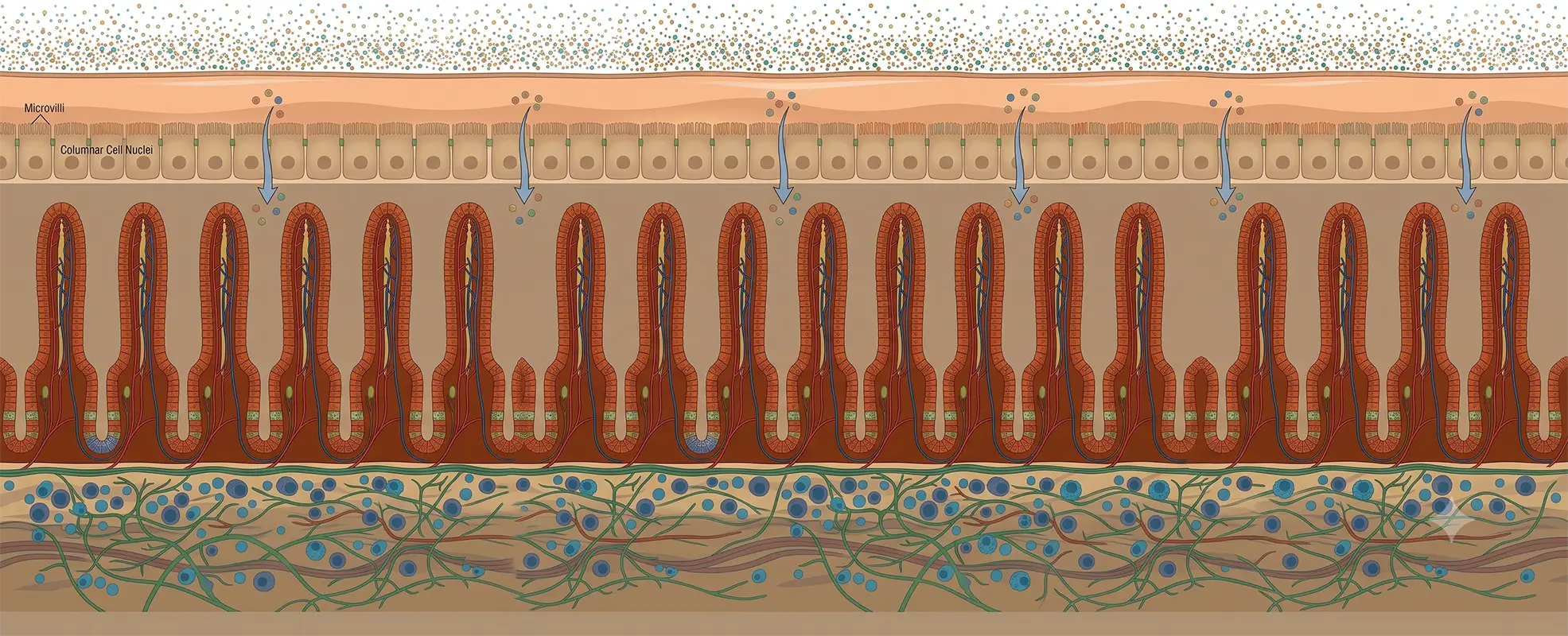
The intestinal epithelium is the most rapidly renewing tissue in the human body, and gut lining regeneration replaces the entire lining
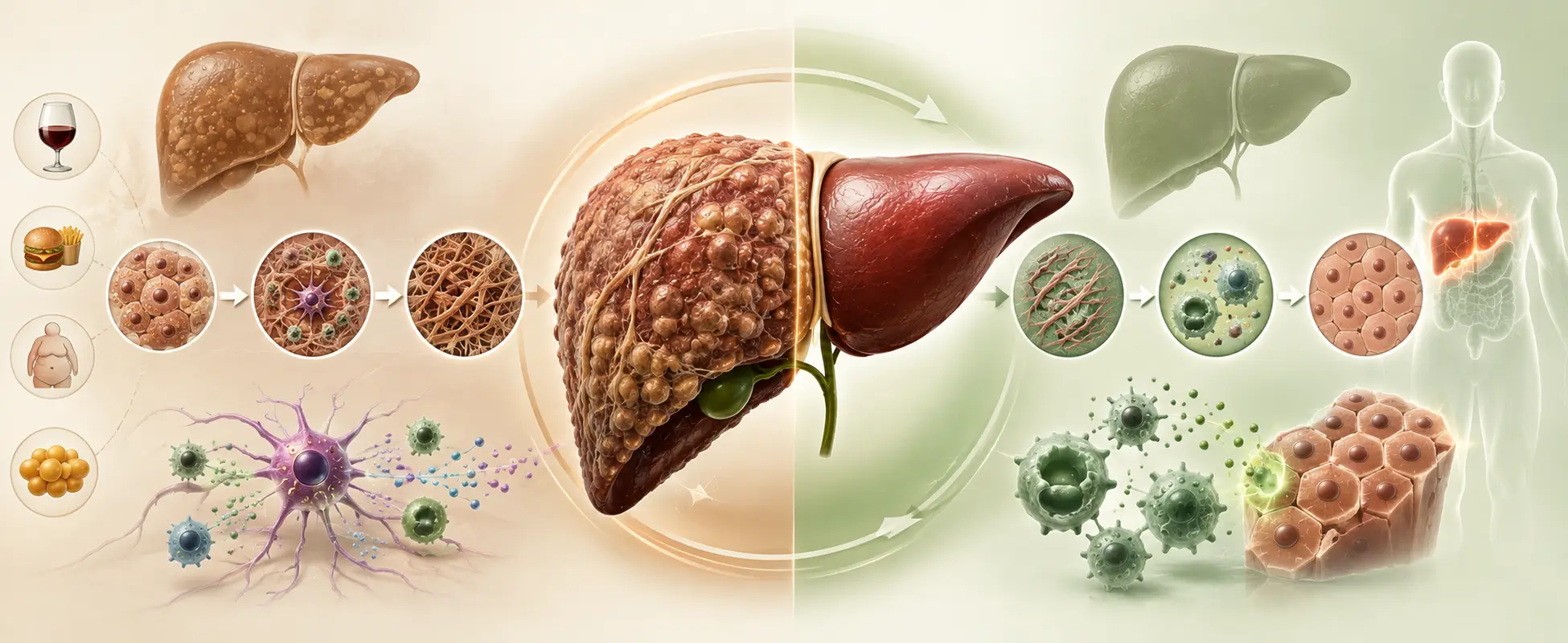
The liver is the only internal human organ capable of substantial regeneration after significant tissue loss.
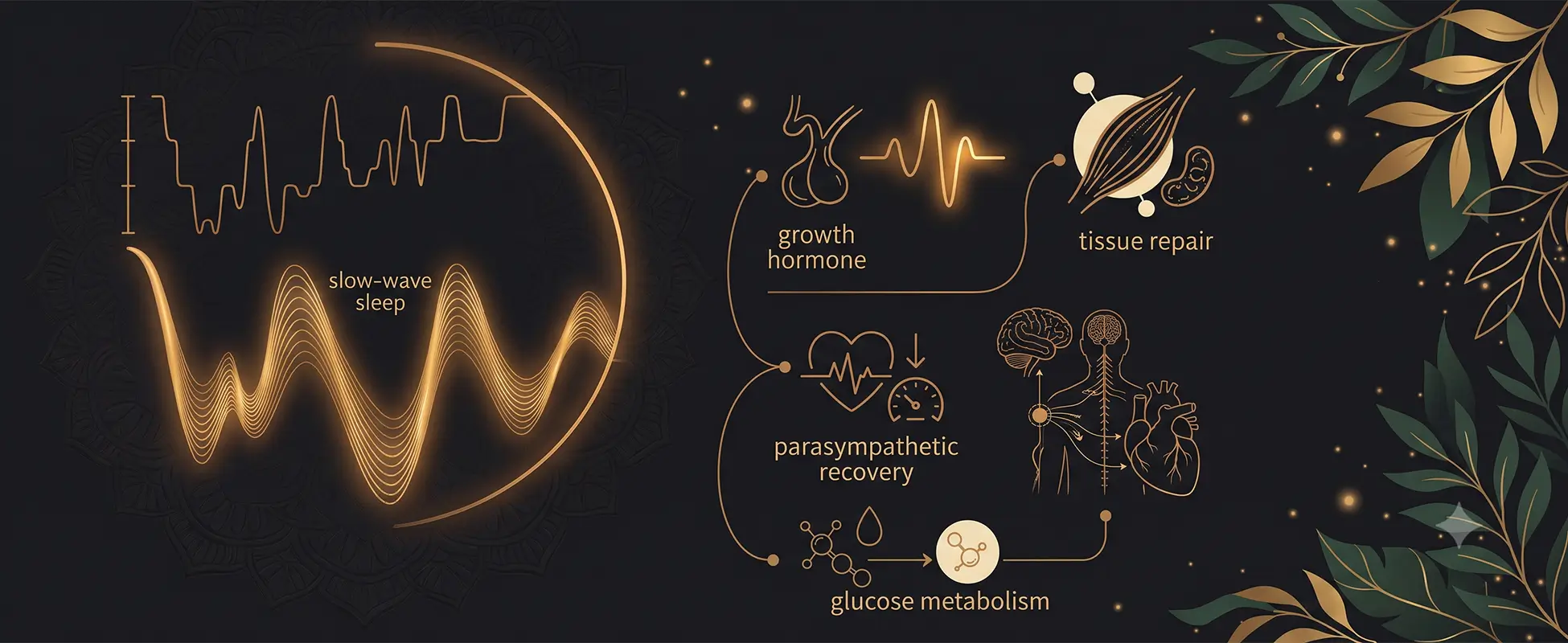
Sleep optimisation is the practice of protecting sleep architecture - the proportion of deep and REM sleep...
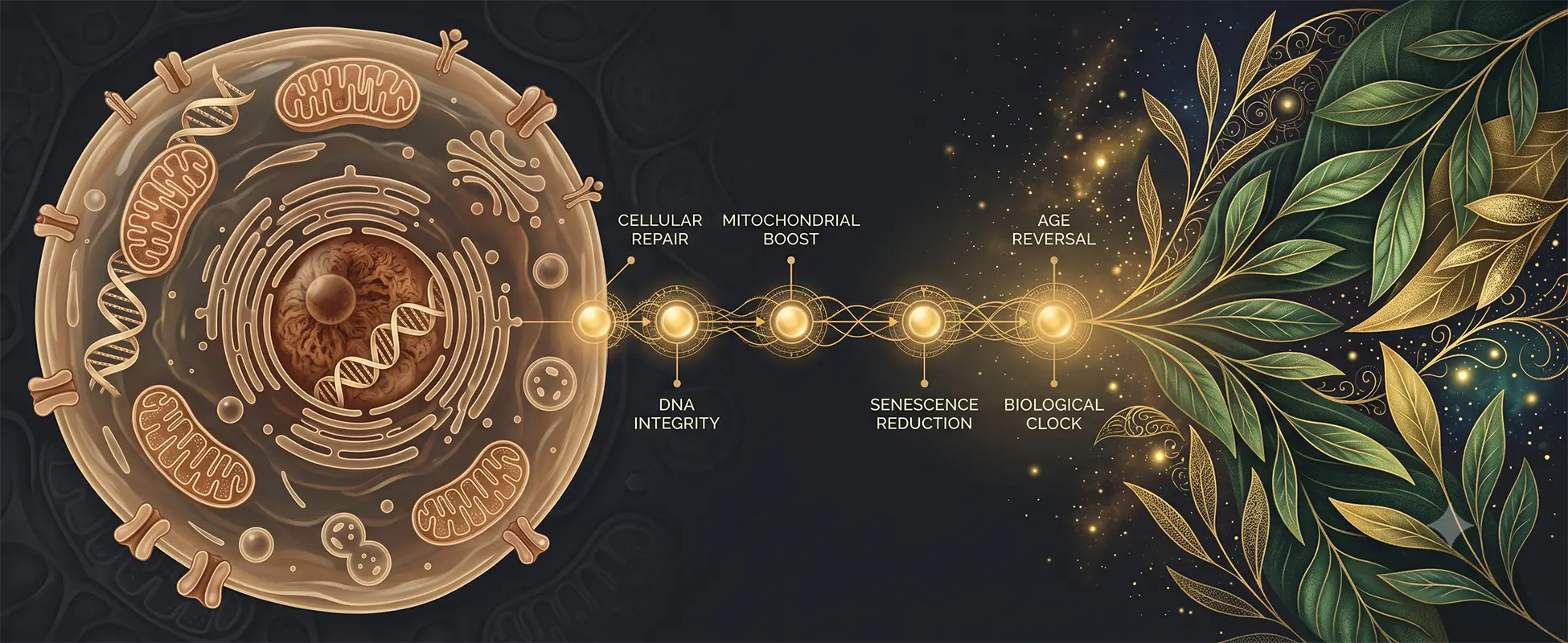
The hallmarks of ageing are the cellular and molecular processes that drive biological ageing...
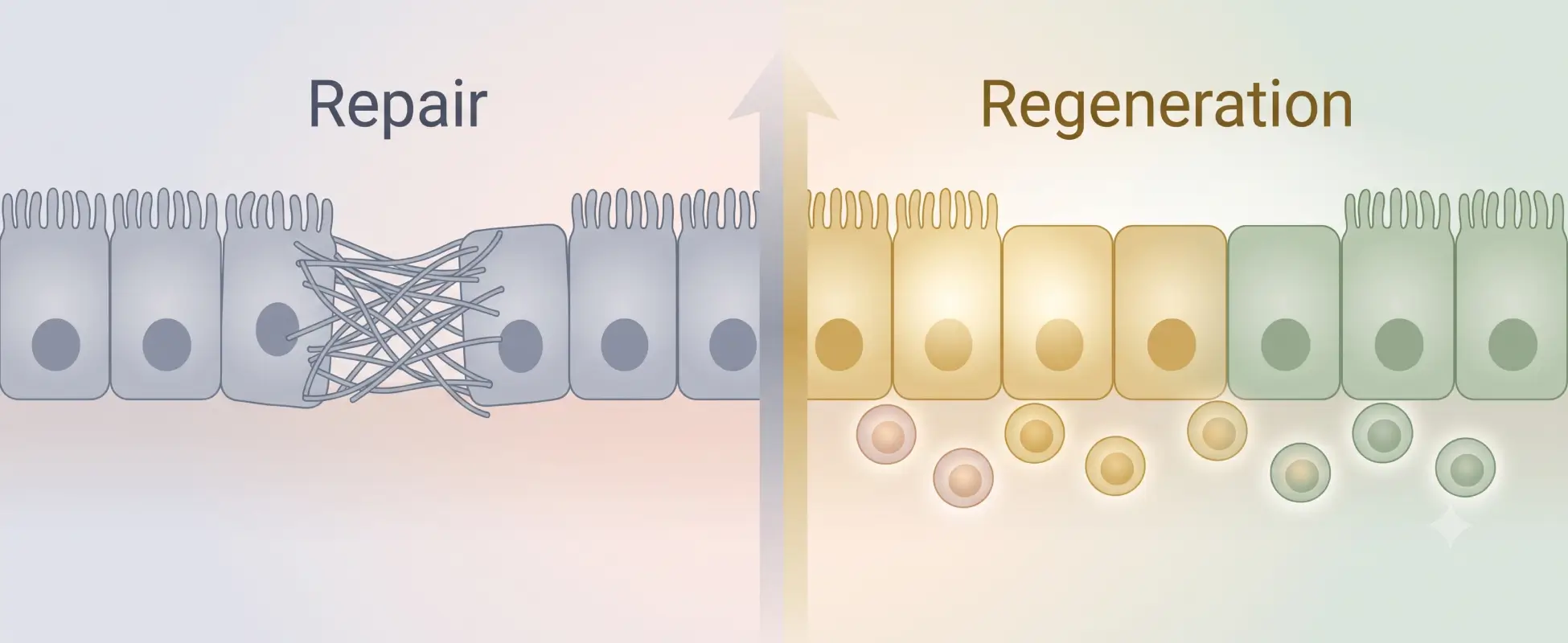
Repair is the body's emergency response — it seals damage with collagen scar tissue that never regains original function.
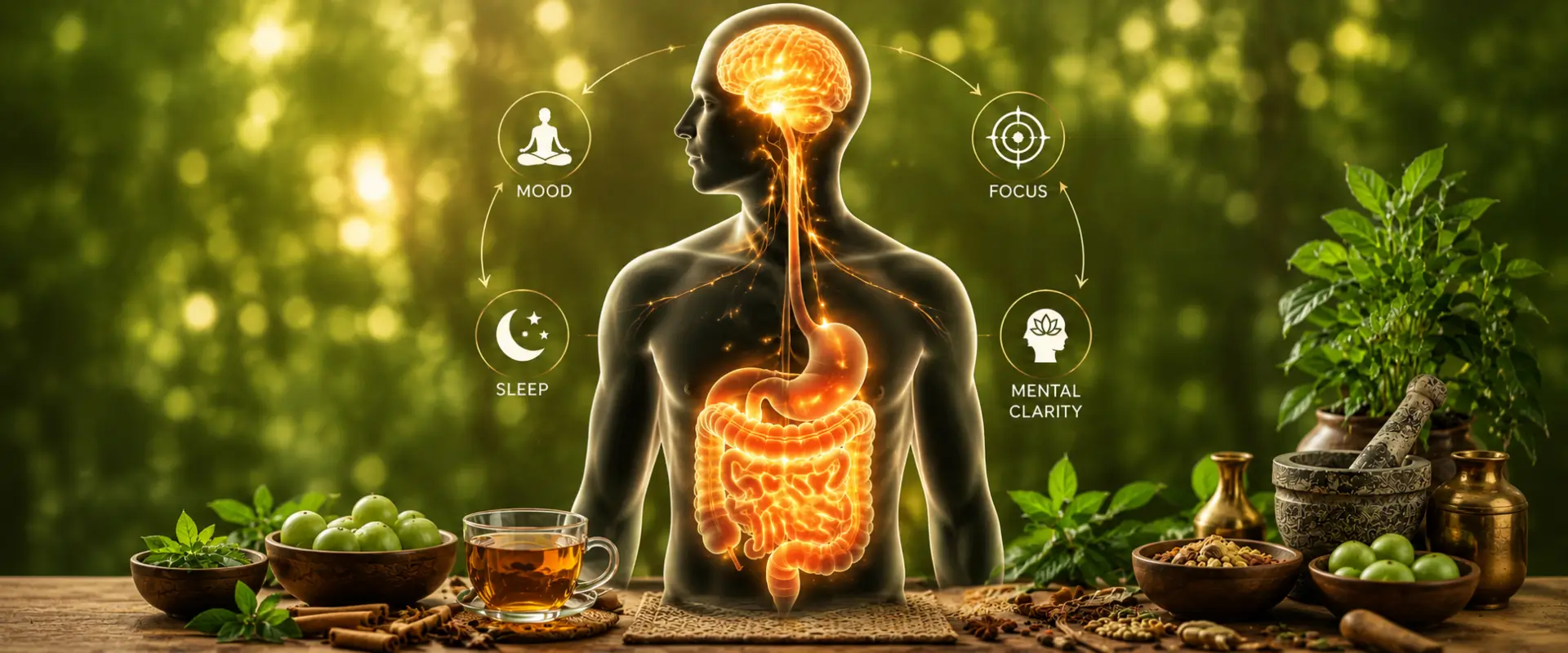
You have felt it, even if you never named it. The knot in your stomach before a difficult conversation. The way anxiety travels straight to your abdomen.