
PCOS Beyond the Diagnosis: Understanding and Addressing the Root Cause
For many women, a diagnosis of PCOS (Polycystic Ovary Syndrome) arrives as a single word that seems to explain everything and nothing at once. It names the irregular cycles, the stubborn weight, the changes in skin and hair, the quiet worry about fertility. Yet it rarely answers the question that matters most: why?
At Swastik, we believe PCOS is best understood not as a fixed diagnosis to be managed indefinitely, but as a signal. The body’s way of communicating that something upstream has fallen out of balance. When you address that upstream story rather than only its downstream symptoms, a very different, and far more hopeful, picture emerges.
PCOS Is a Signal, Not a Sentence
PCOS is often described by its most visible features: irregular or absent periods, small follicles on the ovaries, and signs of elevated androgens such as acne or unwanted hair growth. But these are the expressions of PCOS, not its origins. Two women can share the same diagnosis and yet arrive there by quite different routes. This is why a one-size-fits-all approach so often disappoints and personalised, root-cause approach so often succeeds.
The Root Beneath the Symptoms
Beneath the surface, three interconnected threads usually run through the PCOS story.
The Metabolic Thread: Insulin
For a great many women, the central driver is insulin resistance, a state in which the body’s cells respond less efficiently to insulin, prompting the pancreas to produce more of it. Elevated insulin, in turn, encourages the ovaries to produce more androgens, disrupting ovulation and the regularity of the cycle. This is why PCOS so often travels alongside weight that resists conventional dieting, energy dips, and cravings. Address insulin sensitivity, and much of the hormonal cascade begins to settle. It is also why supporting healthy metabolism and body composition, the focus of our Weight Management Program — can be so transformative for women with PCOS.
The Inflammatory Thread
Low-grade, chronic inflammation is a frequent companion to PCOS, quietly amplifying both insulin resistance and hormonal disruption. It is influenced by diet, gut health, sleep, and stress ,which is precisely why an anti-inflammatory, whole-person approach tends to move the needle where isolated interventions do not.
The Stress Thread: Cortisol
The hormonal system does not operate in silos. Chronic stress raises cortisol, which can worsen insulin resistance and further destabilise the delicate balance of reproductive hormones. Many women are surprised to learn how much their cycle reflects their nervous system, a connection we explore across our writing on the signs of hormonal imbalance in women. Calming the stress response is not a soft add-on to PCOS care; it is often central to it.
What Ayurveda Understands About PCOS
Long before the vocabulary of insulin and androgens, Ayurveda recognised patterns of imbalance that map closely to what we now call PCOS. It views the condition through the lens of disrupted digestion and metabolism, a weakened agni, or digestive fire and an accumulation of imbalance that clouds the reproductive channels.
The Ayurvedic response is therefore not to suppress a symptom, but to rekindle metabolism, cleanse gently, and restore rhythm. Time-honoured therapies such as Panchakarma, chosen and sequenced for the individual, work to reset the metabolic terrain in which PCOS takes hold. We explore this in detail in our article on Panchakarma for lifestyle conditions such as PCOD. At Ayu Vihar, our dedicated Ayurvedic sanctuary, these therapies are delivered under physician guidance in surroundings designed for genuine restoration.
A Root-Cause Path at Swastik
Our Women’s Health Program approaches PCOS exactly as the science and the tradition both suggest it should be approached at the root. Beginning with advanced hormonal and metabolic assessment, we build a personalised blueprint that weaves together anti-inflammatory nutrition, movement that improves insulin sensitivity, nervous-system regulation, and Ayurvedic therapy tailored to each woman’s constitution and goals.
The aim is not merely to quiet symptoms for a season, but to restore the underlying balance from which regular cycles, steady energy, clearer skin, and renewed confidence naturally follow.
PCOS is real, and it is influential, but it is not immovable. Understood at its root and met with the right kind of care, it becomes not a life sentence, but a starting point for lasting balance.
Begin your path to balance. Speak with a Swastik wellness advisor about the Women’s Health Program.
Frequently Asked Questions
What is the root cause of PCOS?
PCOS usually has no single cause. For most women it is driven by a combination of insulin resistance, chronic low-grade inflammation, and stress-related hormonal disruption, which together elevate androgens and disturb ovulation. Because the drivers differ between individuals, a personalised, root-cause approach tends to work best.
Can PCOS be reversed naturally?
PCOS can often be significantly improved through lifestyle and holistic care , restoring more regular cycles, better metabolism, and steadier energy even if it isn’t ‘cured’ in a conventional sense. Improving insulin sensitivity, reducing inflammation, and calming stress are the foundations, alongside medical care.
How does insulin resistance cause PCOS?
When cells respond poorly to insulin, the body produces more of it. Elevated insulin prompts the ovaries to make more androgens, which disrupts ovulation and cycle regularity, a central mechanism in many cases of PCOS.
Does Ayurveda help with PCOS?
Ayurveda addresses PCOS by rekindling digestion and metabolism, gently cleansing, and restoring rhythm through personalised therapies such as Panchakarma, nutrition, and lifestyle guidance. It is designed to complement medical management, not replace it.
What is the best approach to managing PCOS?
A root-cause, whole-person approach, improving insulin sensitivity through nutrition and movement, reducing inflammation, calming stress, and using targeted Ayurvedic therapy tends to be most effective, personalised to each woman and coordinated with her doctor.
About Dr. Shanthi Ganga
Designation: Senior Ayurvedic Physician
Qualification: BAMS (Bachelor of Ayurvedic Medicine and Surgery)
Experience: 17+ Years
Specialisation: Panchakarma, Lifestyle Disease Management, Pain Management, Autoimmune Disorders, Integrative Lifestyle Medicine, Clinical Nutrition
Dr. Shanthi Ganga is a Senior Ayurvedic Physician with over 17 years of clinical experience in Ayurveda. She specialises in Panchakarma, chronic ailments, autoimmune disorders, pain management and lifestyle disease management. With advanced qualifications in Stree Ayurveda, Herbal Cosmetology, Clinical Nutrition, Sports Nutrition and Integrative Lifestyle Medicine, along with teaching experience at 1000 Yoga, Bengaluru, she combines classical Ayurvedic wisdom with modern preventive healthcare to deliver personalised, evidence-informed wellness solutions.
Related Blogs
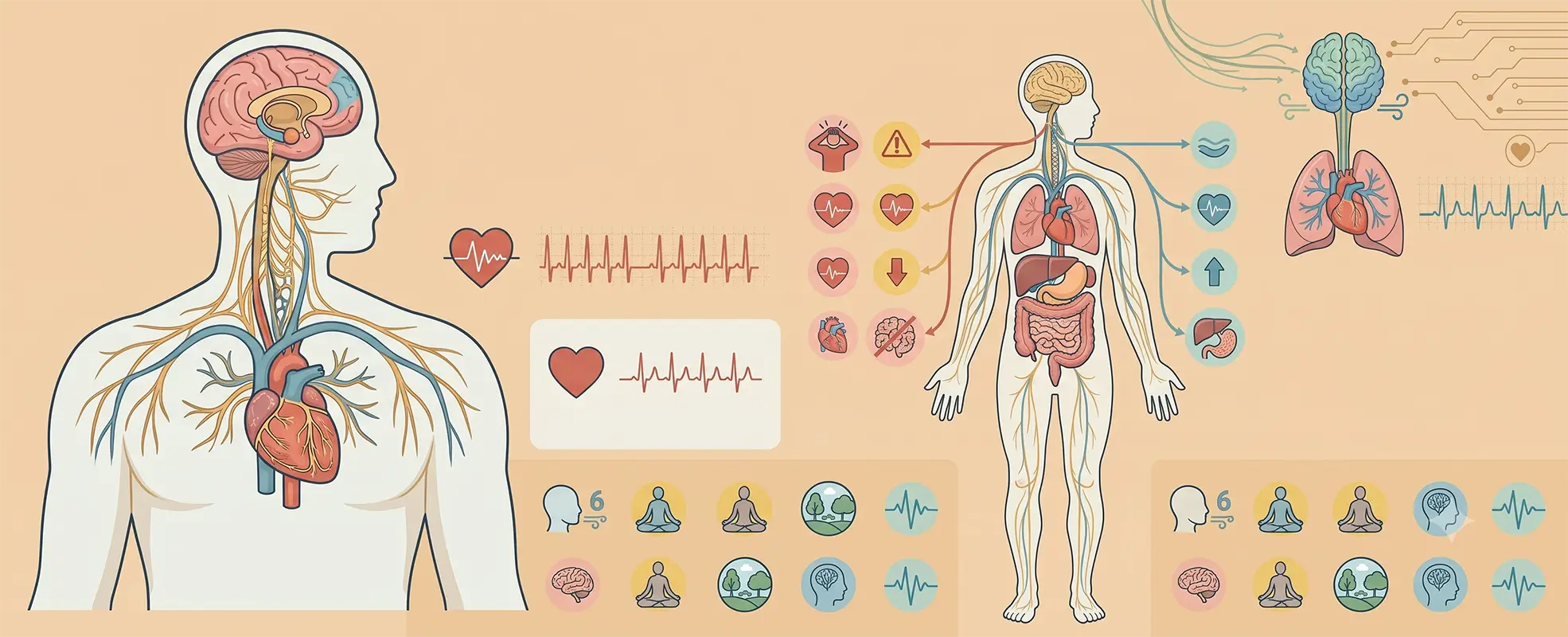
The vagus nerve is the main nerve of the parasympathetic nervous system, forming a two-way communication line between the brain and the heart, lungs and digestive tract.
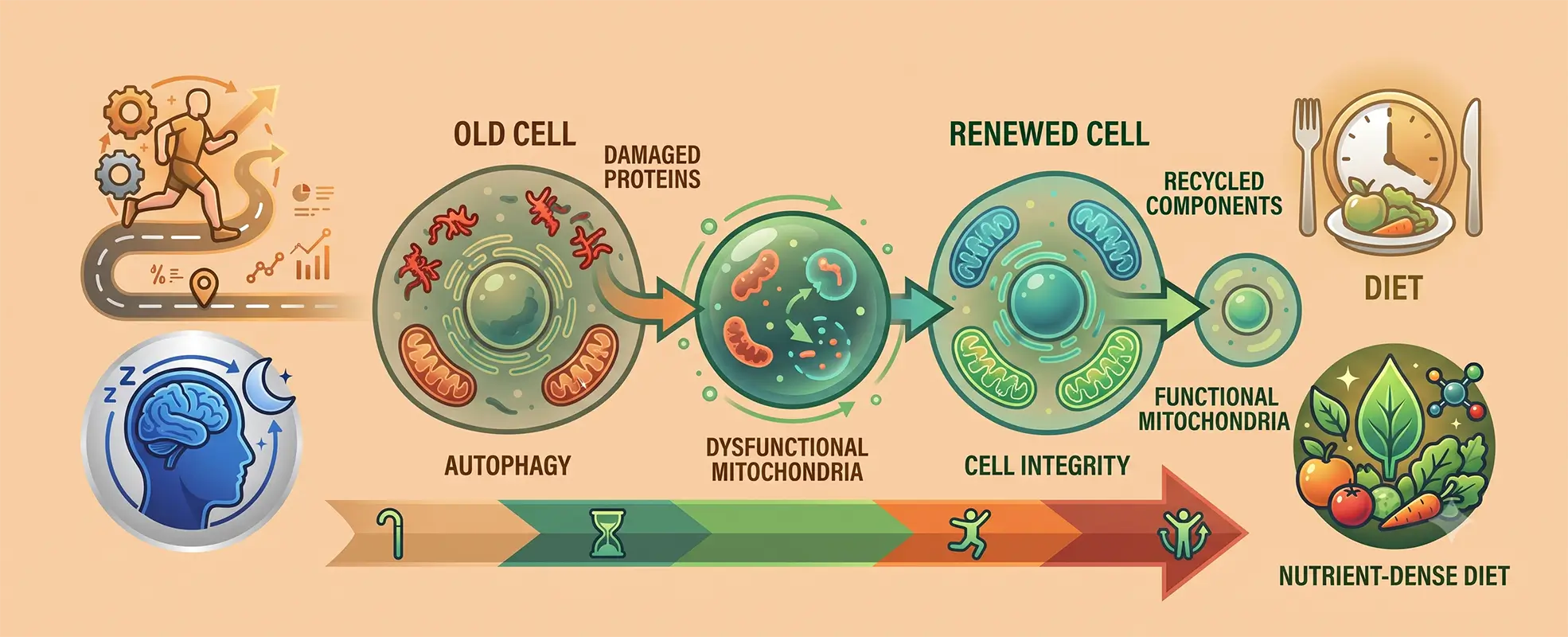
Autophagy is the body's cellular recycling system. Cells identify damaged proteins and dysfunctional mitochondria, break them down, and reuse the components.
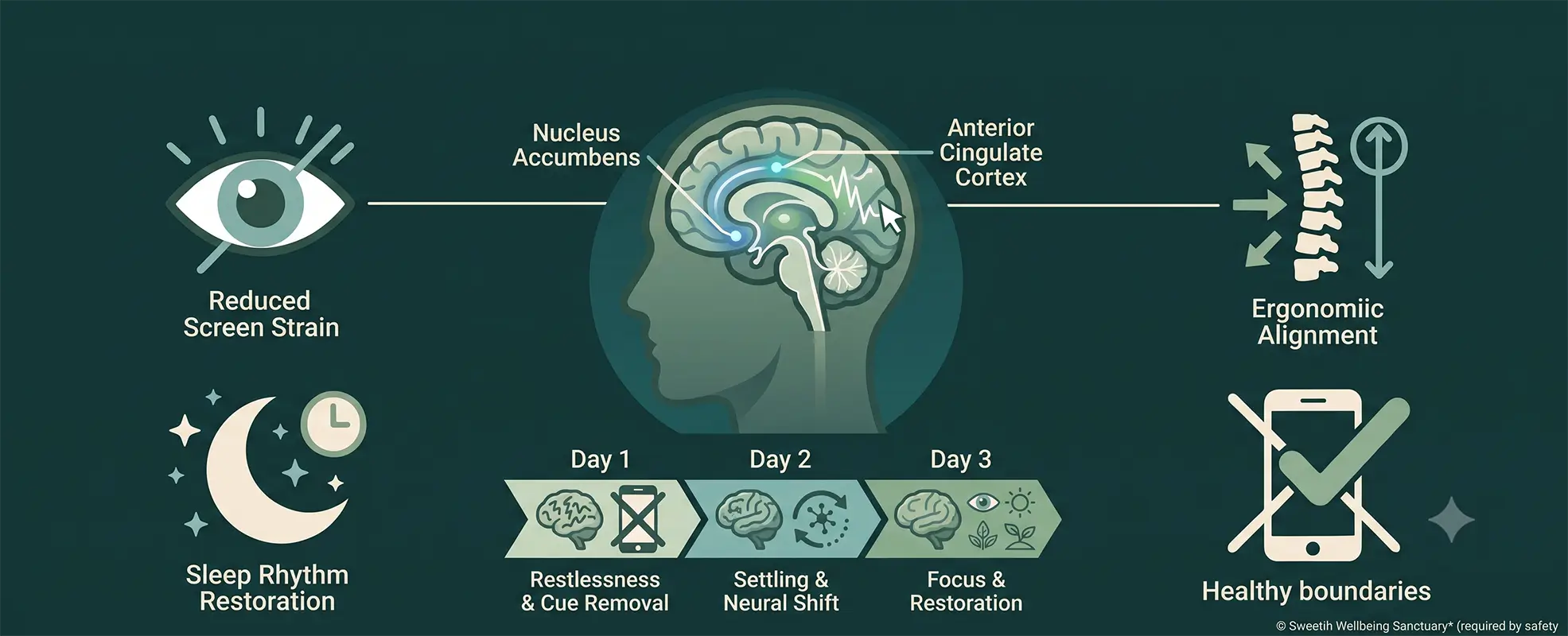
A 72-hour digital detox is a three-day period in which smartphone use is cut back to essentials, with recreational scrolling removed entirely
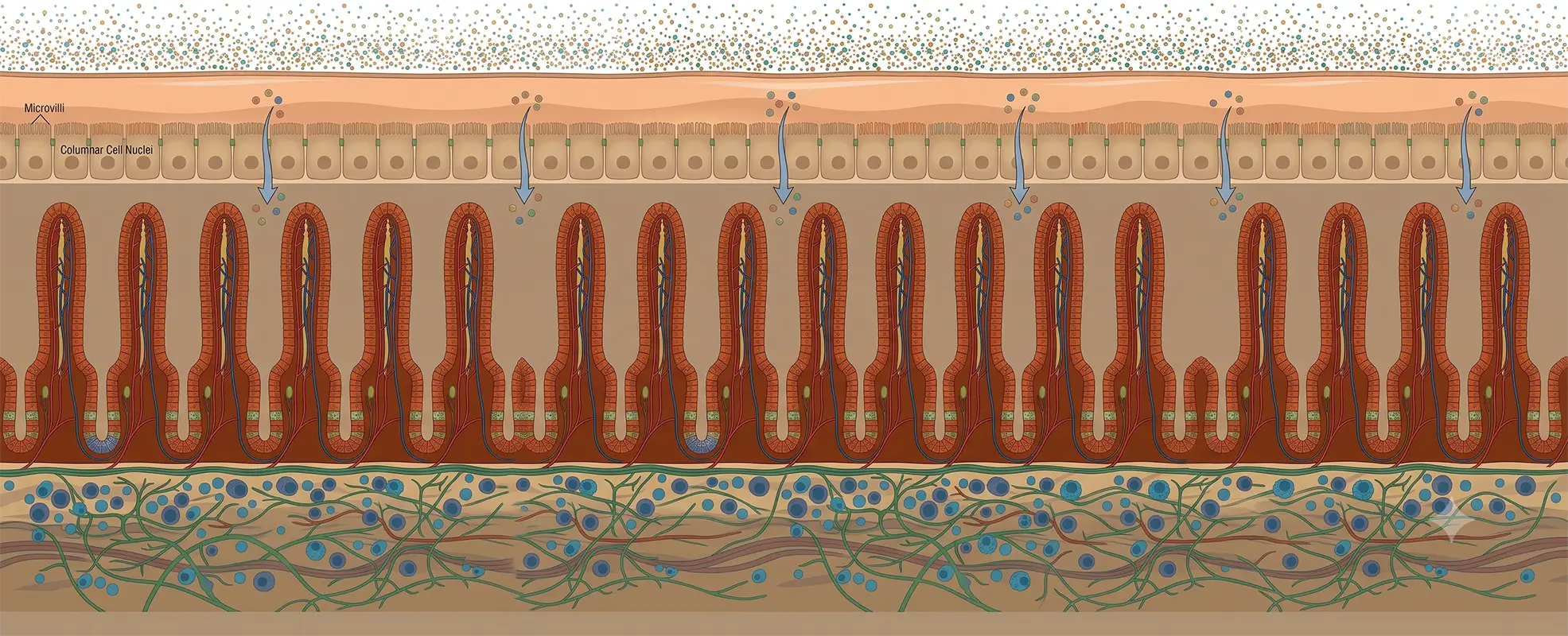
The intestinal epithelium is the most rapidly renewing tissue in the human body, and gut lining regeneration replaces the entire lining
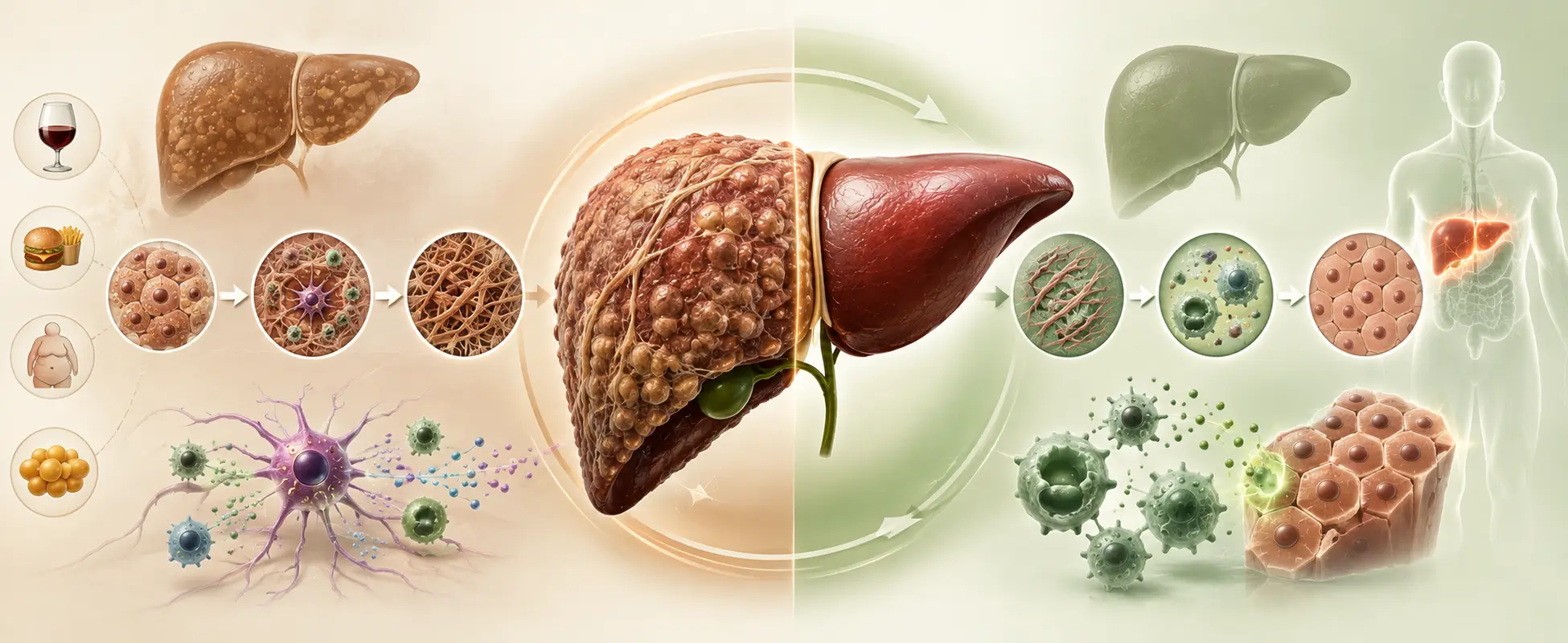
The liver is the only internal human organ capable of substantial regeneration after significant tissue loss.
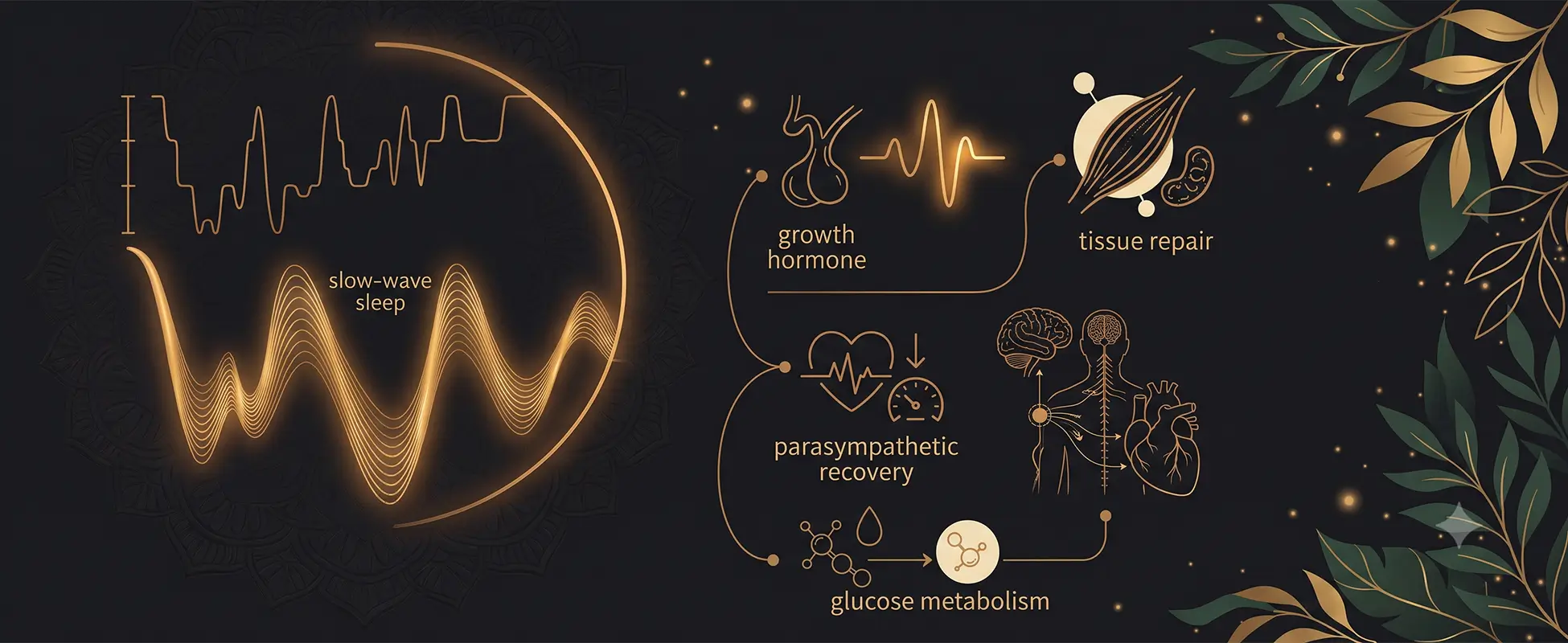
Sleep optimisation is the practice of protecting sleep architecture - the proportion of deep and REM sleep...
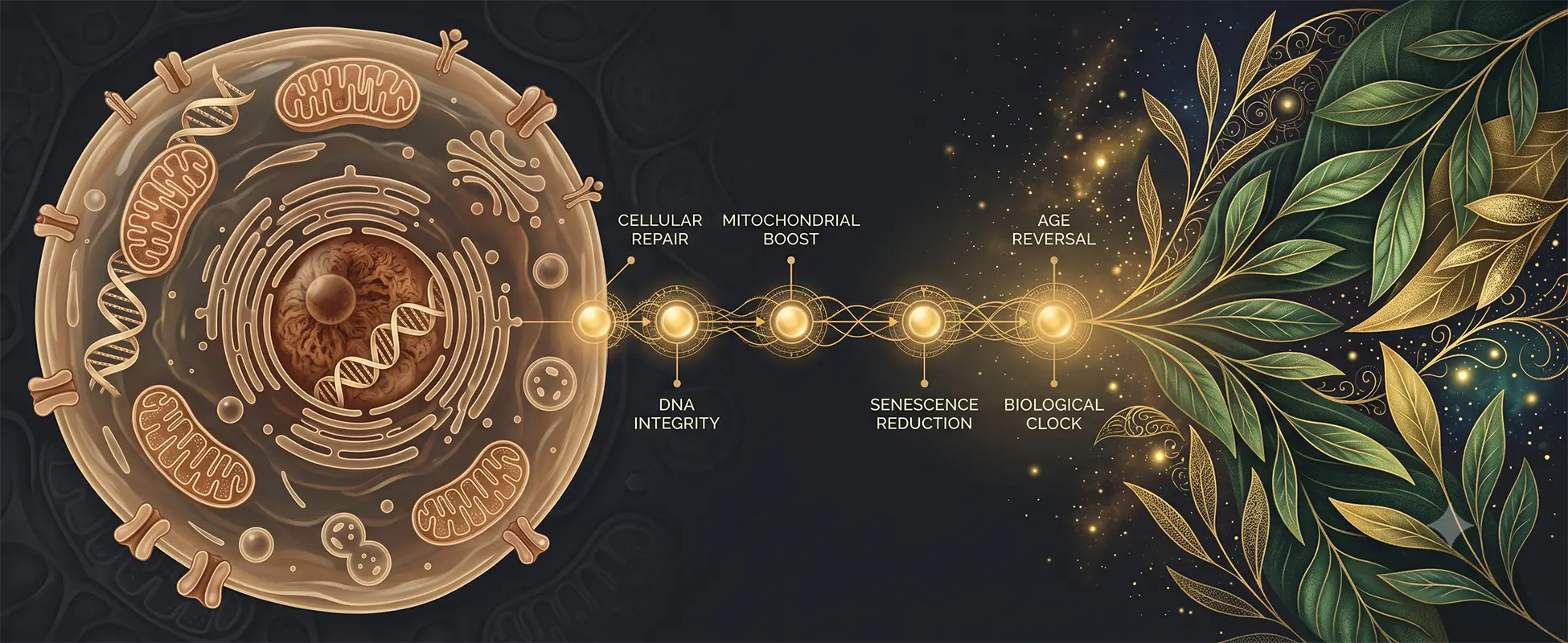
The hallmarks of ageing are the cellular and molecular processes that drive biological ageing...
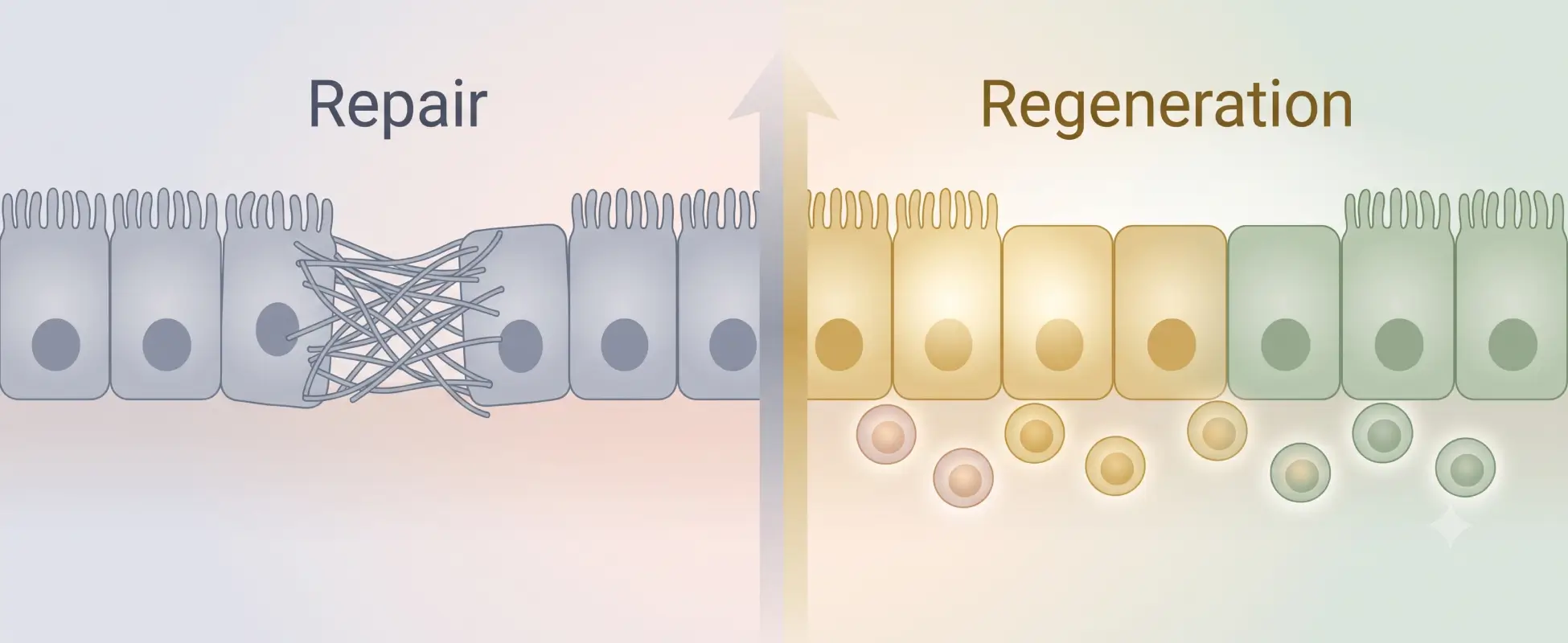
Repair is the body's emergency response — it seals damage with collagen scar tissue that never regains original function.
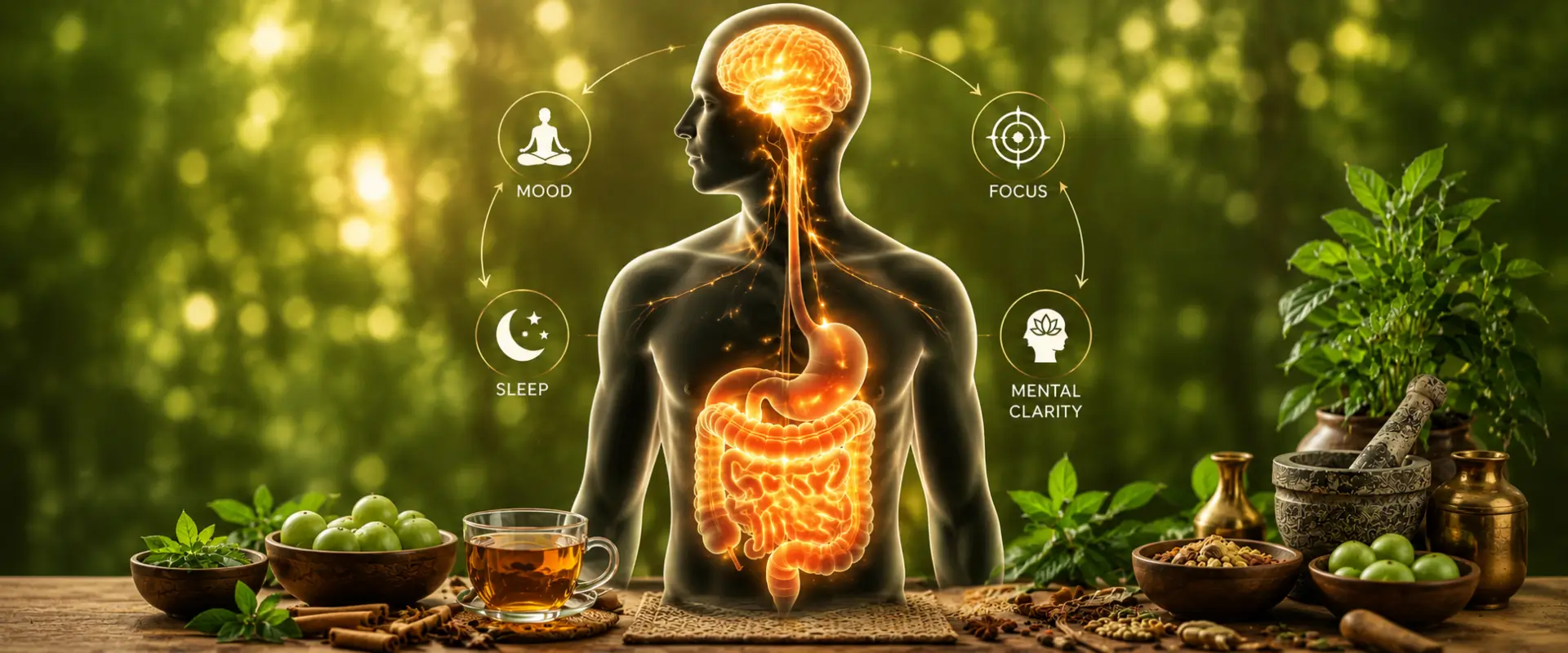
You have felt it, even if you never named it. The knot in your stomach before a difficult conversation. The way anxiety travels straight to your abdomen.