
Why Midlife Women Wake at 3 AM? The Estrogen–Sleep Connection
There is a particular hour that many women come to know intimately somewhere in their forties. The house is still. The mind, unaccountably, is not. You wake, not gently, but wide awake and the clock reads a few minutes past three. Sleep, which once arrived so easily, now slips away and refuses to return until the sky begins to lighten.
If this has become your nightly ritual, it is not a personal failing, nor a sign of a restless mind that simply needs more discipline. It is biology. And once you understand the quiet hormonal handover taking place inside you at that hour, the 3 AM wake-up stops feeling like a mystery and starts feeling like something you can gently restore.
The Body’s Nightly Symphony
Sleep is not a single, uniform state. Across the night your body moves through cycles of lighter and deeper sleep, each governed by a delicate interplay of hormones. Two of them estrogen and progesterone do far more than regulate the menstrual cycle. They are, in quiet ways, guardians of rest.
Progesterone has a naturally calming, sleep-supportive quality. Estrogen helps regulate body temperature, mood, and the brain chemistry that keeps deep sleep intact. Through your reproductive years, their steady rhythm supports the architecture of a full night’s rest. As that rhythm begins to shift, so too does your sleep.
Why 3 AM? The Estrogen–Cortisol Handover
The specificity of that hour surprises most women. Why three, and not two or five?
In the second half of the night, your body naturally begins its slow, pre-dawn rise in cortisol, the hormone that will eventually wake you and carry you into the day. In a well-balanced system, this rise is gentle and unnoticed. But as estrogen and progesterone decline through perimenopause and menopause, they lose some of their calming counterbalance to cortisol. The result is that this early-morning cortisol rise can tip you into full wakefulness rather than easing you toward it.
Add to this the way falling estrogen influences serotonin and melatonin, the messengers of calm and of sleep itself and the 3 AM waking begins to make complete sense. It is the sound of a hormonal system in transition, briefly out of tune.
When Warmth Interrupts the Night
For many women, the waking is accompanied by a wave of heat, night sweats, the nocturnal cousin of the hot flush. These arise from the same source: as estrogen fluctuates, the brain’s internal thermostat becomes more sensitive, misreading small changes in temperature and triggering a sudden effort to cool the body. You wake warm, then cool, then wide awake. Understanding the mechanism is the first step to softening it.
The Prelude Begins Earlier Than You Think
One of the most common surprises is that this can begin long before menopause itself often in the early forties, during the years of perimenopause. Cycles may still be regular; the outward signs may be subtle. Yet sleep is frequently the first thread to loosen. If you have found yourself sleeping differently and wondering why, your body may simply be further along in its transition than the calendar suggests. You may recognise other quiet shifts too — the kind we explore in our guide to the signs of hormonal imbalance in women.
Restoring Rest, Naturally
The reassuring truth is that disturbed midlife sleep responds beautifully to a whole-person approach. The goal is not to force sleep, but to lower the body’s overall stress load so that its natural rhythms can re-emerge.
Calm the cortisol. Because much of the 3 AM waking is a cortisol story, practices that regulate the nervous system are profoundly helpful — slow breathing, restorative yoga, and meditation. We explore this in depth in meditation for cortisol reduction, a gentle daily practice with outsized effects on sleep.
Honour the evening. In the Ayurvedic view, the hours before sleep are sacred. A warm, early, easily digested dinner; dimmed light; a cool, dark room; and a screen-free wind-down all signal to the body that the day is complete.
Support the transition. Nourishing, anti-inflammatory food, steady blood sugar through the evening, and cooling, sattvic practices help ease the temperature swings and the emotional tenderness of this stage.
At Swastik, these threads come together in a considered, unhurried way. In the stillness of Dhyan Vihar, our meditation and yoga sanctuary beneath a 72-foot column-less dome, guests relearn the art of quieting the mind. At Anand Vihar, Yoga Nidra and sound healing guide the nervous system into the deep, restorative rest that so often feels out of reach at home.
A Sanctuary for Sleep
Restoring rest is one of the quiet promises of our Women’s Health Program, which supports women through every hormonal life stage with personalised Ayurvedic therapies, nourishing cuisine, and nervous-system care. For those for whom sleep has become the central concern, our dedicated Sleep Optimisation Program addresses rest at its root – hormonal, circadian, and emotional rather than merely masking the symptom.
The wide-awake hour need not be yours forever. With understanding, and with the right kind of care, deep sleep can return.
Ready to reclaim your nights? Speak with a Swastik wellness advisor about the Women’s Health Program.
Frequently Asked Questions
Why do I wake up at 3 AM during menopause?
The early hours bring a natural pre-dawn rise in cortisol. As estrogen and progesterone decline through perimenopause and menopause, they no longer soften that rise as effectively, so it can tip you into full wakefulness. Falling estrogen also disrupts the sleep-supporting messengers’ serotonin and melatonin.
Can low estrogen cause insomnia?
Yes. Estrogen helps regulate body temperature, mood, and the brain chemistry underpinning deep sleep. As levels fluctuate and fall, many women experience lighter, more fragmented sleep, night waking, and night sweats.
Do night sweats wake you up?
Often, yes. Falling estrogen makes the brain’s temperature regulation more sensitive, triggering sudden heat and sweating at night that can pull you out of sleep.
Can Ayurveda help with menopausal sleep problems?
Ayurveda addresses sleep through the whole system, calming the nervous system, cooling the body, steadying digestion, and restoring daily rhythm. Cooling, sattvic practices, restorative yoga, and meditation are especially supportive during this transition.
When does perimenopause sleep disruption start?
It can begin in the early forties, sometimes while cycles are still regular. Sleep is frequently the first sign that the hormonal transition has begun.
About Dr. Shanthi Ganga
Designation: Senior Ayurvedic Physician
Qualification: BAMS (Bachelor of Ayurvedic Medicine and Surgery)
Experience: 17+ Years
Specialisation: Panchakarma, Lifestyle Disease Management, Pain Management, Autoimmune Disorders, Integrative Lifestyle Medicine, Clinical Nutrition
Dr. Shanthi Ganga is a Senior Ayurvedic Physician with over 17 years of clinical experience in Ayurveda. She specialises in Panchakarma, chronic ailments, autoimmune disorders, pain management and lifestyle disease management. With advanced qualifications in Stree Ayurveda, Herbal Cosmetology, Clinical Nutrition, Sports Nutrition and Integrative Lifestyle Medicine, along with teaching experience at 1000 Yoga, Bengaluru, she combines classical Ayurvedic wisdom with modern preventive healthcare to deliver personalised, evidence-informed wellness solutions.
Related Blogs
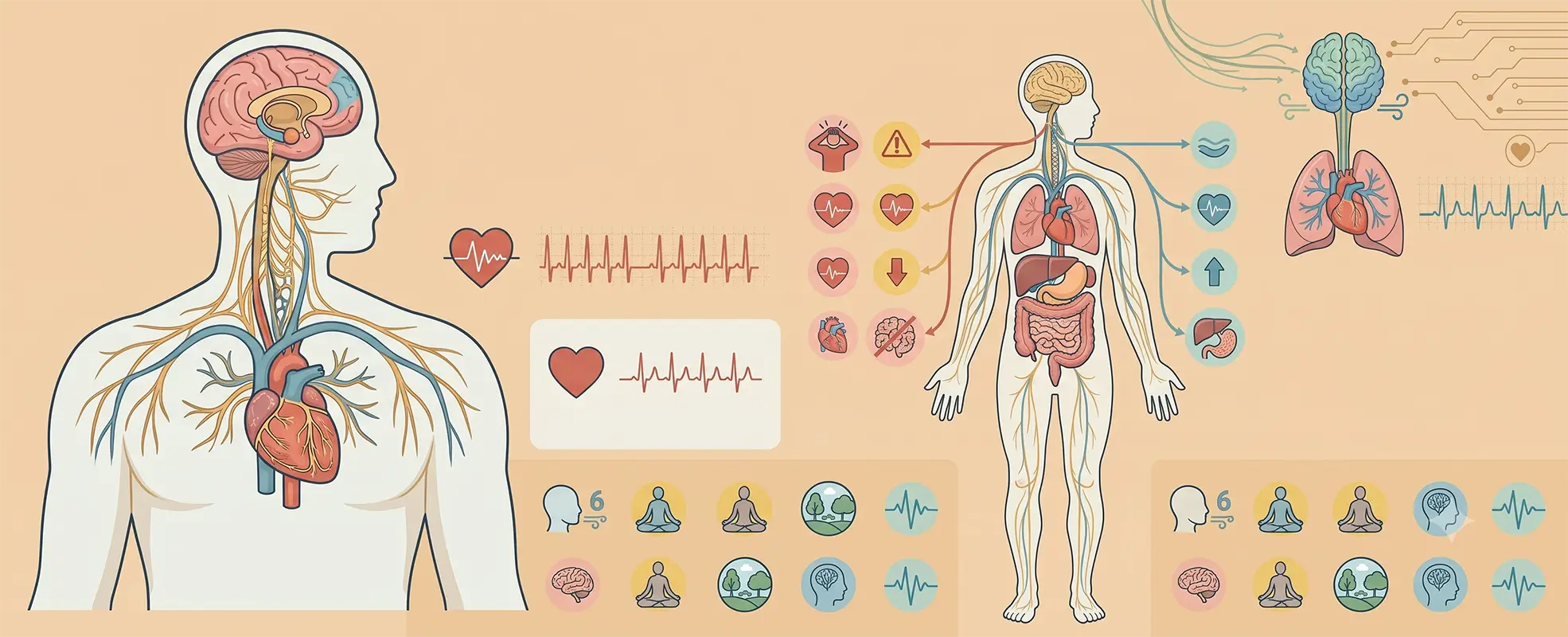
The vagus nerve is the main nerve of the parasympathetic nervous system, forming a two-way communication line between the brain and the heart, lungs and digestive tract.
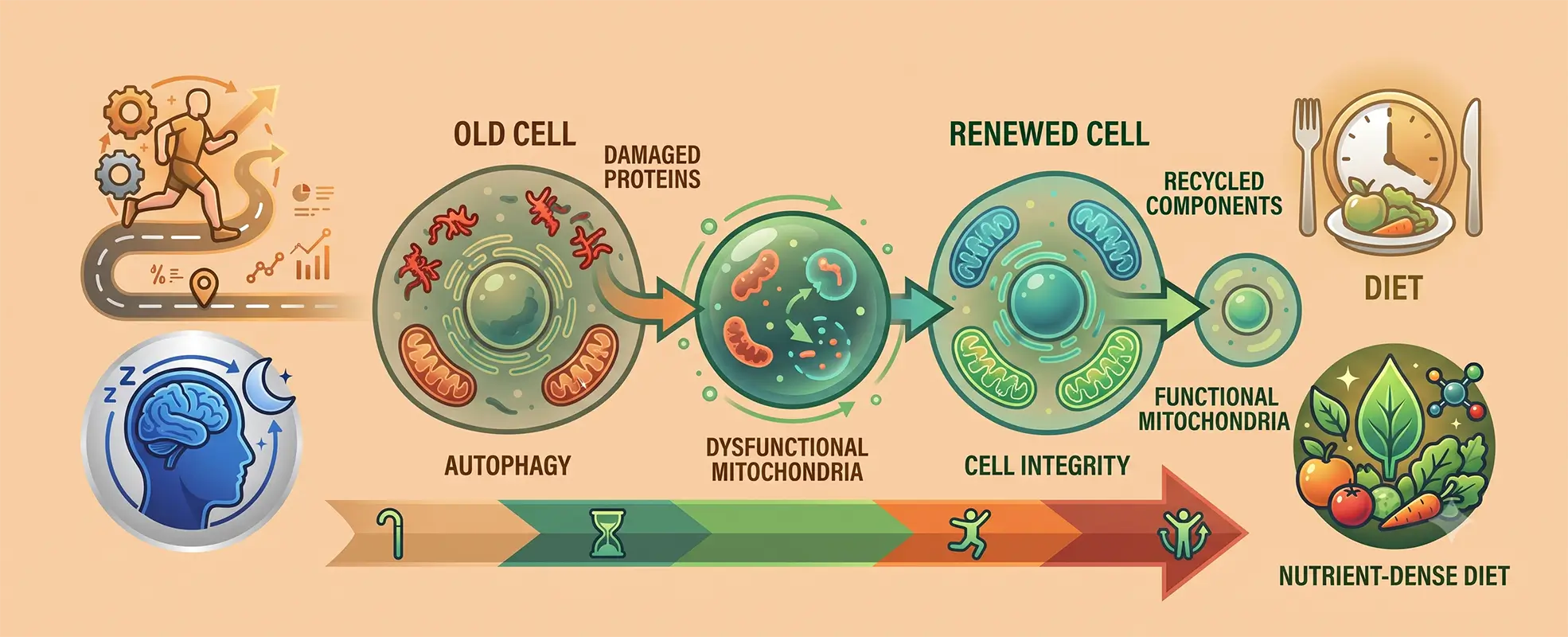
Autophagy is the body's cellular recycling system. Cells identify damaged proteins and dysfunctional mitochondria, break them down, and reuse the components.
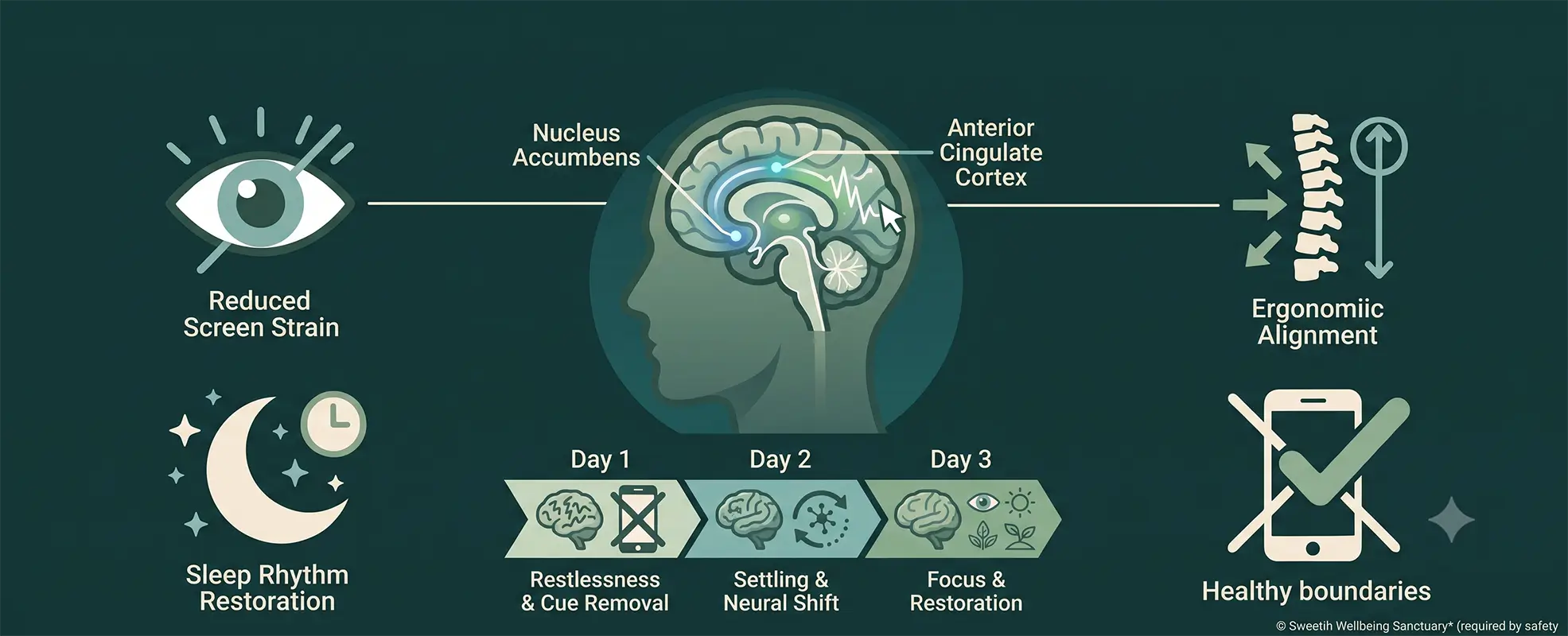
A 72-hour digital detox is a three-day period in which smartphone use is cut back to essentials, with recreational scrolling removed entirely
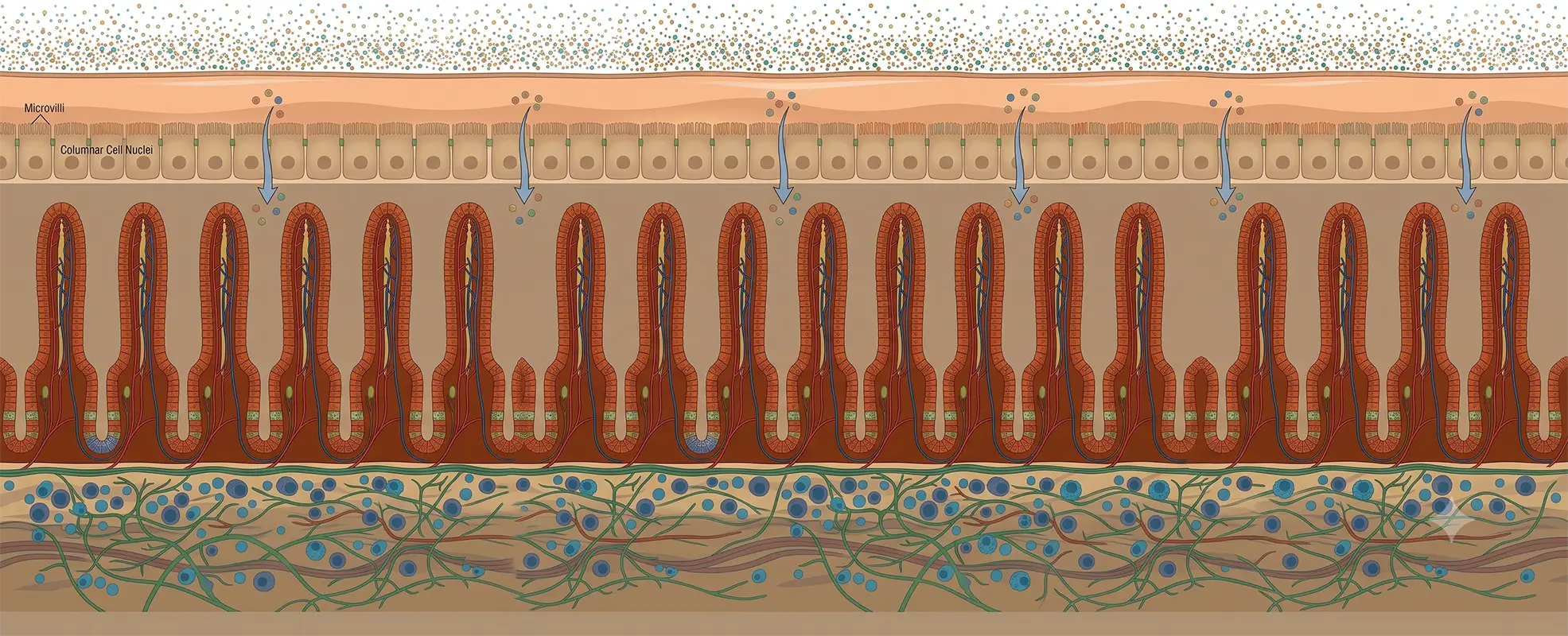
The intestinal epithelium is the most rapidly renewing tissue in the human body, and gut lining regeneration replaces the entire lining
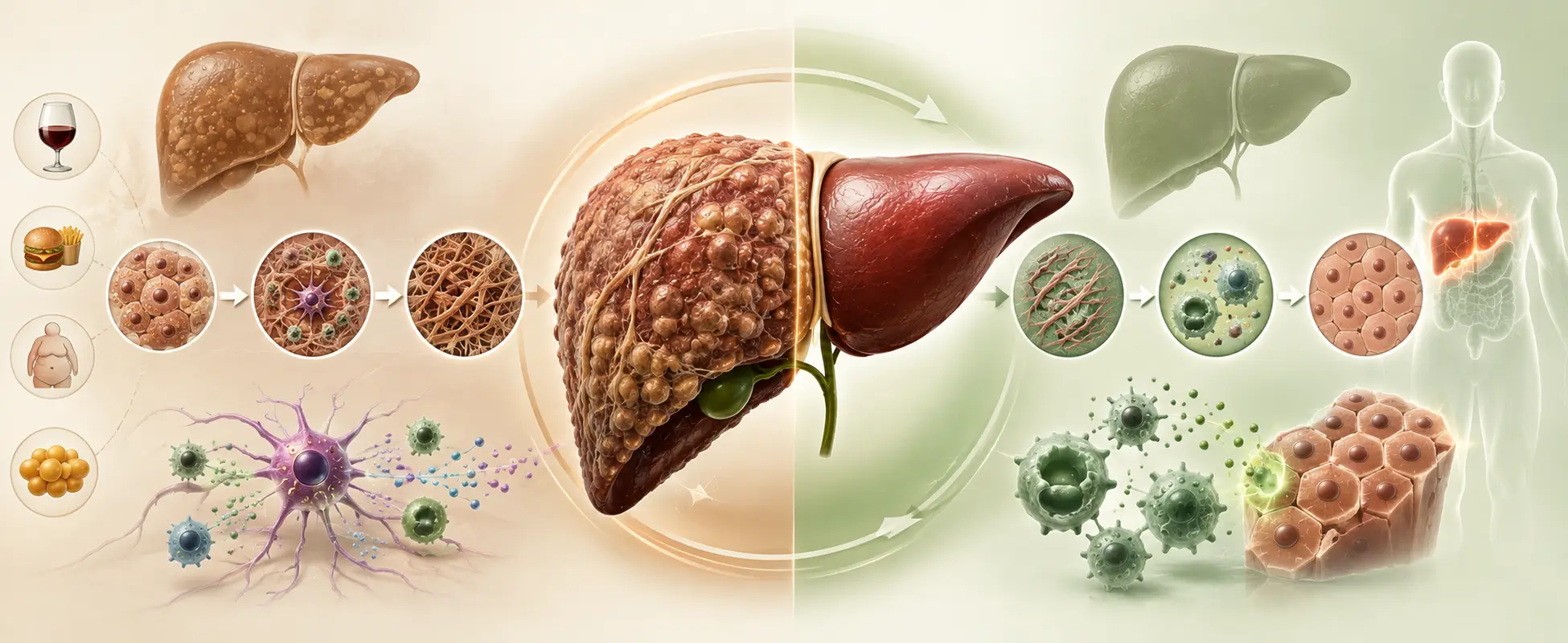
The liver is the only internal human organ capable of substantial regeneration after significant tissue loss.
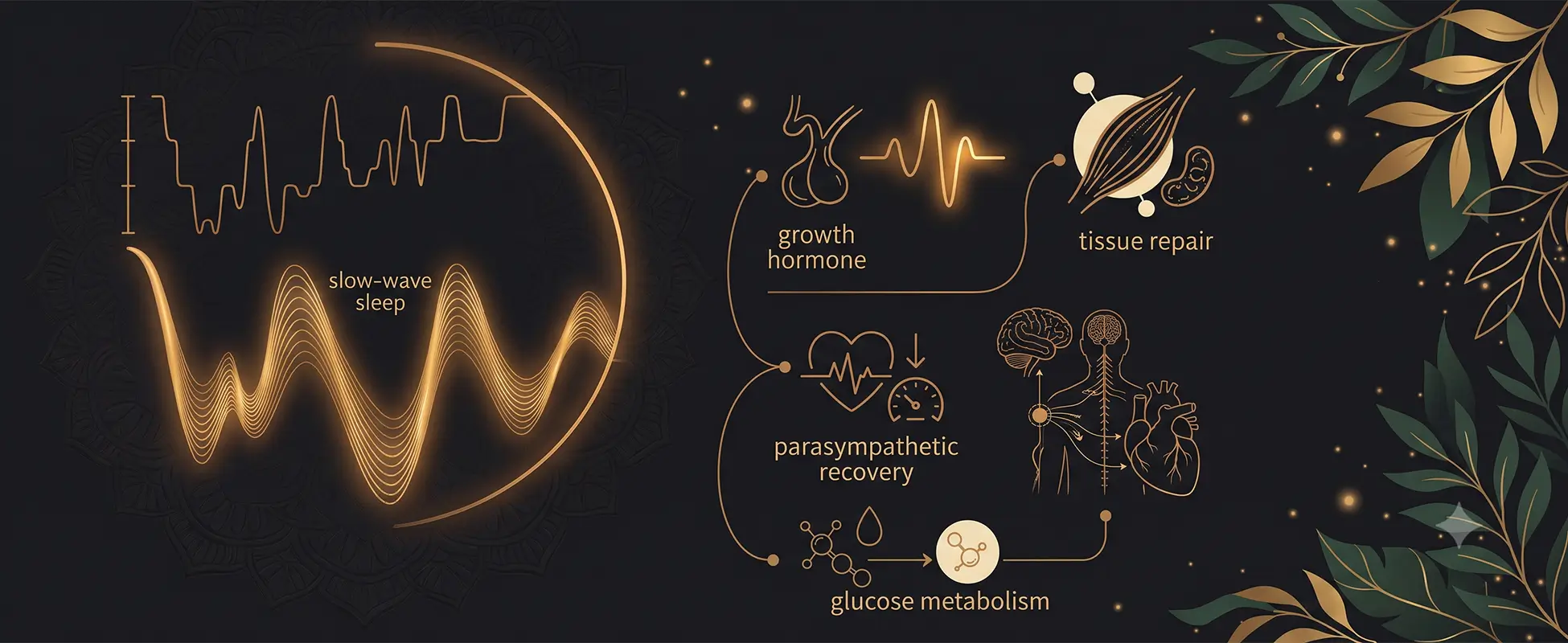
Sleep optimisation is the practice of protecting sleep architecture - the proportion of deep and REM sleep...
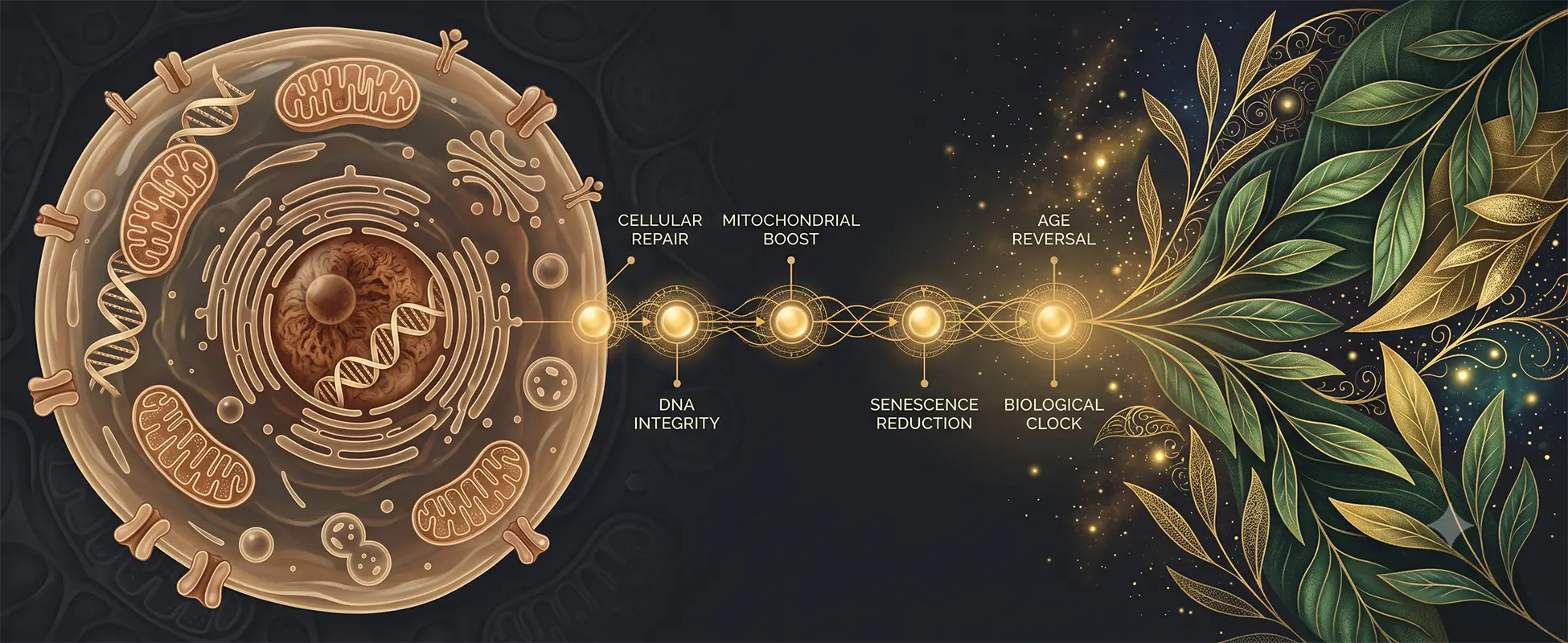
The hallmarks of ageing are the cellular and molecular processes that drive biological ageing...
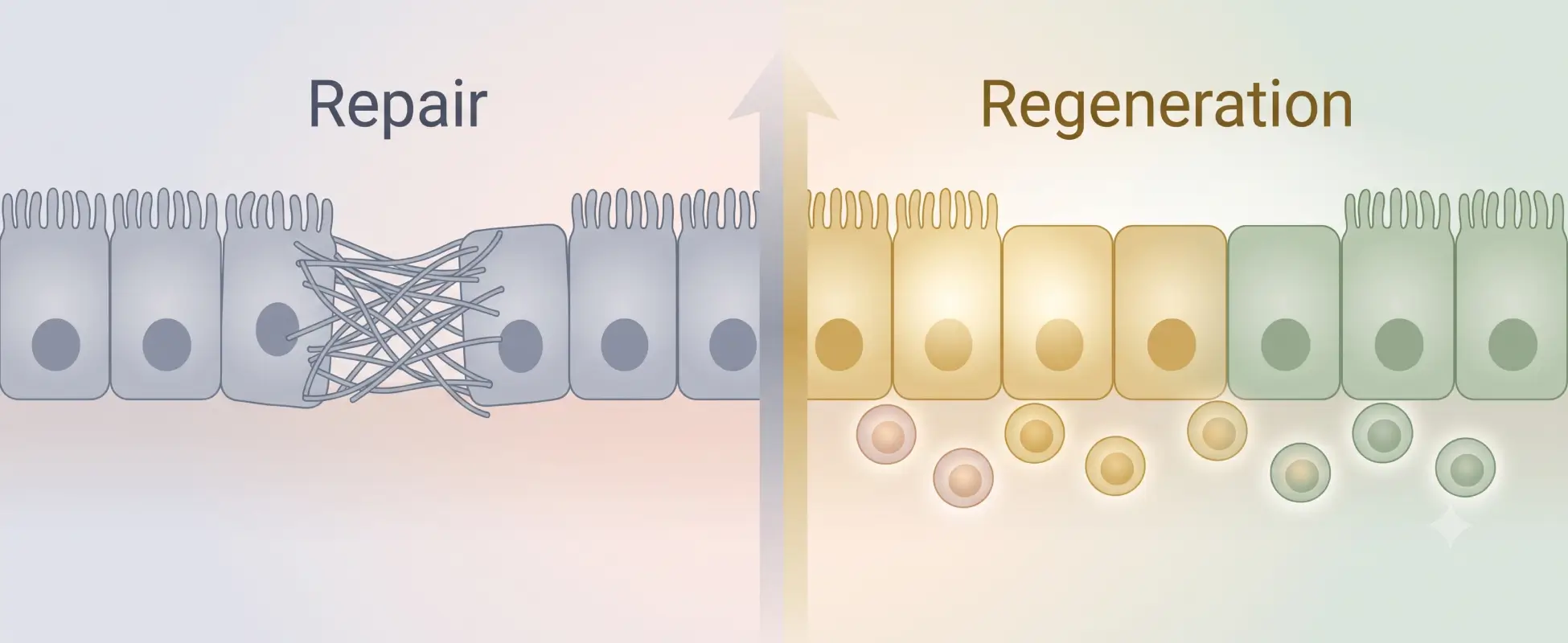
Repair is the body's emergency response — it seals damage with collagen scar tissue that never regains original function.
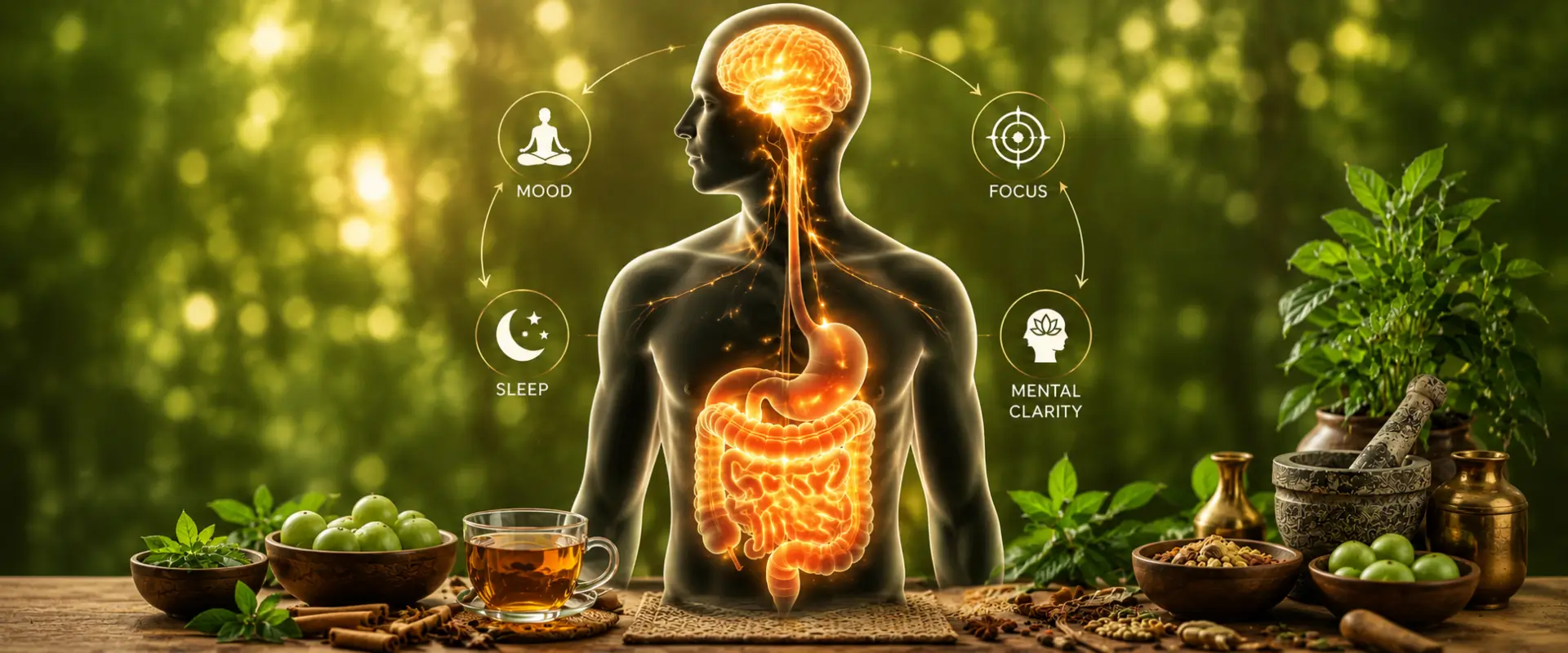
You have felt it, even if you never named it. The knot in your stomach before a difficult conversation. The way anxiety travels straight to your abdomen.