
Sardinemaxxing: What the Longevity Trend Gets Right and Misses
Sardinemaxxing is the practice of deliberately eating sardines far more often than usual, sometimes daily and sometimes exclusively, to capture their omega-3s, protein, vitamin D and minerals. It is a viral longevity trend rather than a clinical protocol, and that distinction matters more than the fish does.
What is sardinemaxxing?
There is no official plan, no required number of tins and no set duration. The name follows the internet habit of adding “maxxing” to anything worth optimising. In practice the label now covers two very different behaviours, which is where most of the confusion starts.
Why a tinned fish became a longevity symbol
The numbers are real. Interest in “sardinemaxxing” grew 100% in a two-week window in August 2026, according to Google Trends data reported by FoodNavigator. More than 110,000 TikTok posts now carry the sardine hashtag. A specialist tinned-fish retailer in Toronto reported roughly 10% year-on-year growth in sardine sales for three consecutive years, driven largely by buyers in their twenties.
Something bigger than a fish is happening here. Sardinemaxxing arrived after proteinmaxxing and fibremaxxing, but with one difference: sardines are a single food, not a nutrient. The trend is really about a wish — that one simple, cheap, shelf-stable thing could deliver everything the body needs.
That wish is worth taking seriously. The method is where it falls apart.
What the trend gets right
Before the criticism, credit where it is due. Four of the instincts behind sardinemaxxing are sound, and they are the same instincts that underpin serious longevity work.
- Ageing happens at the cellular level. The people driving this trend are not chasing weight loss. They are talking about energy, inflammation, skin, cognition and biological age — the same territory serious longevity medicine occupies.
- Micronutrient density matters more than calories. Sardines are genuinely nutrient-dense. One 3.75-ounce (roughly 106g) tin supplies around 22% of the daily recommended vitamin D, alongside long-chain omega-3s, B12, selenium and calcium from the edible bones.
- Inflammation is the right target. Chronic low-grade inflammation and oxidative load sit underneath most age-related decline. Anti-inflammatory eating patterns are one of the few interventions with broad agreement behind them.
- Food beats supplements as a starting point. The instinct to address a deficiency with a meal rather than a capsule is sound. The American Heart Association names sardines specifically among omega-3-rich, low-mercury fish, and recommends fatty fish twice weekly — twice, not twice daily.
Where does sardinemaxxing break down?
The trend fails on method, not on the fish. Single-food thinking cannot do what a protocol does, and the gap between what is being promised and what has been shown is wide.
- Single-food thinking is not a protocol. The trend now covers two completely different behaviours: adding sardines to a balanced diet, and eating nothing but sardines for 24 to 36 hours. Some creators post about eating 1,000 sardines in a month or going sardines-only for 36 hours. Those are not the same intervention and they do not carry the same risk.
- Sodium is the quiet problem. Dietitians reviewing the trend have flagged that many tinned varieties are high in sodium — a direct conflict for anyone managing blood pressure or cardiac risk.
- The claims outrun the evidence. University health teams reviewing sardinemaxxing note that the promised outcomes — clearer skin, weight loss, more energy — are influencer claims, not findings. Even the beauty coverage acknowledges that this reflects a wider obsession with finding one food that does everything.
- Nobody is personalising it. A 34-year-old endurance athlete, a perimenopausal woman with low ferritin and a 58-year-old with hypertension are being given the same advice by the same algorithm. That is the core failure. Longevity is not a content format. It is a physiological state, and it is different in every body.
- The supply question is real. Sardines are wild caught. FoodNavigator’s reporting raises an open question about whether viral demand can outpace sustainable supply — a reminder that an individual optimisation trend has a collective cost.
The real target: cellular vitality
Strip away the tin and what the trend is reaching for is this — mitochondria that produce energy efficiently, low oxidative load, tissues that repair, and metabolic signalling that still works well at 60. That is not a food. It is a system.
Systems respond to inputs across several channels at once, and the distinction between cellular repair and regeneration is where most trend advice loses the thread:
- Nutrient status — omega-3s, vitamin D, B12 and minerals at levels appropriate to your baseline, not a generic one.
- Inflammatory load — supported through diet, sleep, stress regulation and periodic residential deep detoxification.
- Metabolic regulation — gut function, blood sugar stability, liver capacity.
- Recovery capacity — sleep architecture and nervous-system regulation, which no supplement replaces.
- Consistency — cellular renewal is gradual; a 36-hour fast changes a number, not a trajectory.
Read that list back and you will notice something. No single ingredient covers even two of those channels.
What if you eat vegetarian or sattvic?
Most of India’s longevity-minded readers are not going to eat sardines, and should not have to. But the omega-3 gap is real and worth stating plainly.
The plant-based omega-3 is ALA, found in flaxseed, walnuts, canola and soy. The American Heart Association describes ALA as less potent than the EPA and DHA found in oily fish — the body converts only a small fraction. The NIH’s guidance on omega-3s reflects the same distinction.
So a vegetarian longevity plan needs to be deliberate, not incidental:
- Daily ALA sources — ground flaxseed, walnuts, chia — rather than occasional ones.
- Algal oil where EPA and DHA are indicated: the vegetarian route to the same fatty acids.
- Attention to B12 and vitamin D, both commonly low in Indian vegetarian diets.
- Testing rather than guessing, because “I eat healthy” is not a marker.
This is exactly the kind of thing a trend cannot do for you and a clinician can.
Ayurveda already had a word for this: Rasayana
Rasayana is the branch of Ayurveda devoted to rejuvenation and longevity — herbs, diet, detoxification and lifestyle practices used to nourish tissue, strengthen immunity and slow degeneration. It predates the longevity industry by a few thousand years.
What Rasayana understood, and what sardinemaxxing forgets, is sequence. You do not load nutrition into a system that is congested. You reduce the accumulated metabolic waste first — ama, in Ayurvedic terms — then rebuild. Detoxification before rejuvenation. That order is the whole method, and it is why classical Panchakarma at Khadakwasla precedes the rebuilding phase rather than running alongside it.
How does Swastik approach cellular vitality?
Swastik Wellbeing Sanctuary is a regenerative wellbeing sanctuary set across 51 acres at Peacock Valley, Khadakwasla, near Pune, where ancient healing traditions are combined with modern science to support the body’s natural capacity to recover. The Cellular Vitality and Longevity programme is built as a seven-night protocol rather than a food rule.
It begins with assessment, not advice
Every journey starts with a wellness assessment including Ayurvedic pulse diagnosis (Nadi Pariksha) and constitution evaluation, alongside modern health markers. Your plan is written after that, not before.
It works on the channels, not the ingredient
The programme integrates Ayurveda and Panchakarma, naturopathy, yoga therapy, physiotherapy and contemporary regenerative methods, aimed at:
- Supporting cellular performance and energy pathways
- Supporting mitochondrial health and metabolic regulation
- Helping reduce oxidative load and supporting tissue renewal
- Strengthening physical, mental and emotional resilience
Nutrition is personalised, and it is sattvic
Rather than a viral food, guests eat chef-crafted sattvic cuisine built on Swastik’s food philosophy — antioxidant-dense, anti-inflammatory, and matched to constitution.
Recovery is treated as a pillar, not a bonus
Sleep optimisation and stress and emotional balance work alongside the longevity protocol, because a body under chronic sympathetic load does not regenerate regardless of what it eats. If the broader “maxxing” wave is what brought you here, our read on sleep-maxxing and detox-maxxing covers where those trends land clinically.
It is designed to outlast the stay
Swastik recommends a minimum of seven to fourteen days for a meaningful reset, with the personalised diet, herbs and practices continuing at home over the following months. Cellular renewal runs on months, not on a weekend.
Frequently Asked Questions
Is sardinemaxxing safe?
For most healthy adults, eating sardines a few times a week is reasonable — the American Heart Association recommends two servings of fatty fish weekly. The extreme version, where sardines replace all food for a day or more, is a different proposition and should not be attempted without medical supervision, particularly for anyone with hypertension, kidney concerns or a history of disordered eating.
Is sardinemaxxing backed by science?
Sardines are well evidenced. The American Heart Association names them among low-mercury, omega-3-rich fish and recommends two servings of fatty fish weekly. Sardinemaxxing is a different matter. The outcomes circulating on social media — clearer skin, weight loss, more energy — are influencer claims rather than trial findings. The food has evidence behind it; the maximising behaviour does not.
Do I need to eat fish to support longevity?
No. You need adequate EPA and DHA, vitamin D, B12 and a low inflammatory load. Fish is one route. Algal oil, deliberate ALA sources such as ground flaxseed and walnuts, and supervised supplementation are another. The requirement is the nutrient status, not the food. A vegetarian or sattvic diet can meet it, but it has to be planned rather than assumed.
What is biological age, and can it be improved?
Biological age reflects how well your body is functioning relative to your chronological age, shaped by lifestyle, inflammation and cellular health. Research is still evolving and biological-age testing is not yet standardised. Evidence suggests diet, movement, sleep, stress regulation and detoxification may support improvements in some biological-age markers over time, though results vary considerably between individuals.
How long does a longevity programme need to be?
Because cellular renewal is gradual, seven to fourteen days is the minimum for a meaningful reset, and longer stays allow deeper rejuvenation. The stay itself is only the starting point. Lasting benefit comes from continuing the personalised diet, herbs and practices at home over the months that follow, which is why the protocol is written to travel home with you.
How is this different from an anti-ageing facial or a supplement stack?
A longevity programme works from the inside out — cellular health, metabolism, inflammation, tissue renewal. Cosmetic treatments address appearance. Supplement stacks address single inputs without assessment, which is the same flaw sardinemaxxing has at a larger scale. A programme addresses the system, and it starts by measuring where that system currently is.
Who is a cellular vitality programme suited to?
Health-conscious adults, often from their late thirties onward, who feel broadly well but want to protect long-term energy and resilience. It also suits professionals recovering from prolonged stress or noticing early fatigue and decline. If you are working on this at home first, our guide to improving cellular health naturally is a reasonable starting point.
Where is the Cellular Vitality and Longevity programme held?
The programme runs at Swastik Wellbeing Sanctuary, a 51-acre regenerative wellbeing sanctuary at Peacock Valley, Khadakwasla, near Pune, Maharashtra. The property offers more than 210 therapies delivered by over 60 practitioners across 17 wellness programmes. Enquiries can be made by phone on +919240252132 or by email at info@swastikwellbeing.com.
Start with your baseline, not a trend
The most useful thing sardinemaxxing has done is put cellular health into everyday conversation. The least useful thing is the suggestion that a tin can replace a plan.
If you want to know what your body actually needs, the first step is measurement, not a shopping list. Speak to a Wellness Advisor about the seven-night Cellular Vitality and Longevity programme at Swastik Wellbeing Sanctuary, Pune.
This article is for general information and is not medical advice. Consult a qualified healthcare professional before making significant dietary changes, especially if you are pregnant, breastfeeding, managing a chronic condition or taking prescribed medication.
About Dr. Shanthi Ganga
Designation: Senior Ayurvedic Physician
Qualification: BAMS (Bachelor of Ayurvedic Medicine and Surgery)
Experience: 17+ Years
Specialisation: Panchakarma, Lifestyle Disease Management, Pain Management, Autoimmune Disorders, Integrative Lifestyle Medicine, Clinical Nutrition
Dr. Shanthi Ganga is a Senior Ayurvedic Physician with over 17 years of clinical experience in Ayurveda. She specialises in Panchakarma, chronic ailments, autoimmune disorders, pain management and lifestyle disease management. With advanced qualifications in Stree Ayurveda, Herbal Cosmetology, Clinical Nutrition, Sports Nutrition and Integrative Lifestyle Medicine, along with teaching experience at 1000 Yoga, Bengaluru, she combines classical Ayurvedic wisdom with modern preventive healthcare to deliver personalised, evidence-informed wellness solutions.
Related Blogs

Financial wellbeing is not simply about having more money. It is about having a sense of security, control, resilience and confidence around your financial life.
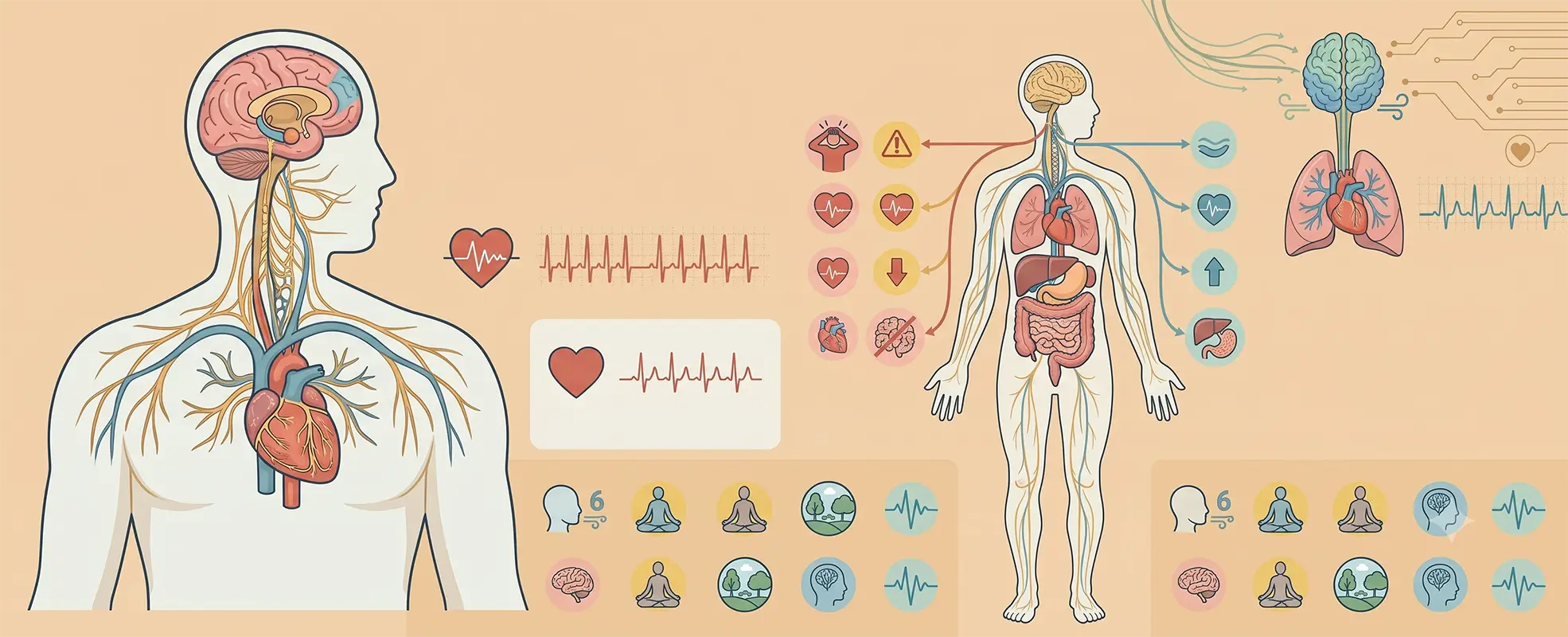
The vagus nerve is the main nerve of the parasympathetic nervous system, forming a two-way communication line between the brain and the heart, lungs and digestive tract.
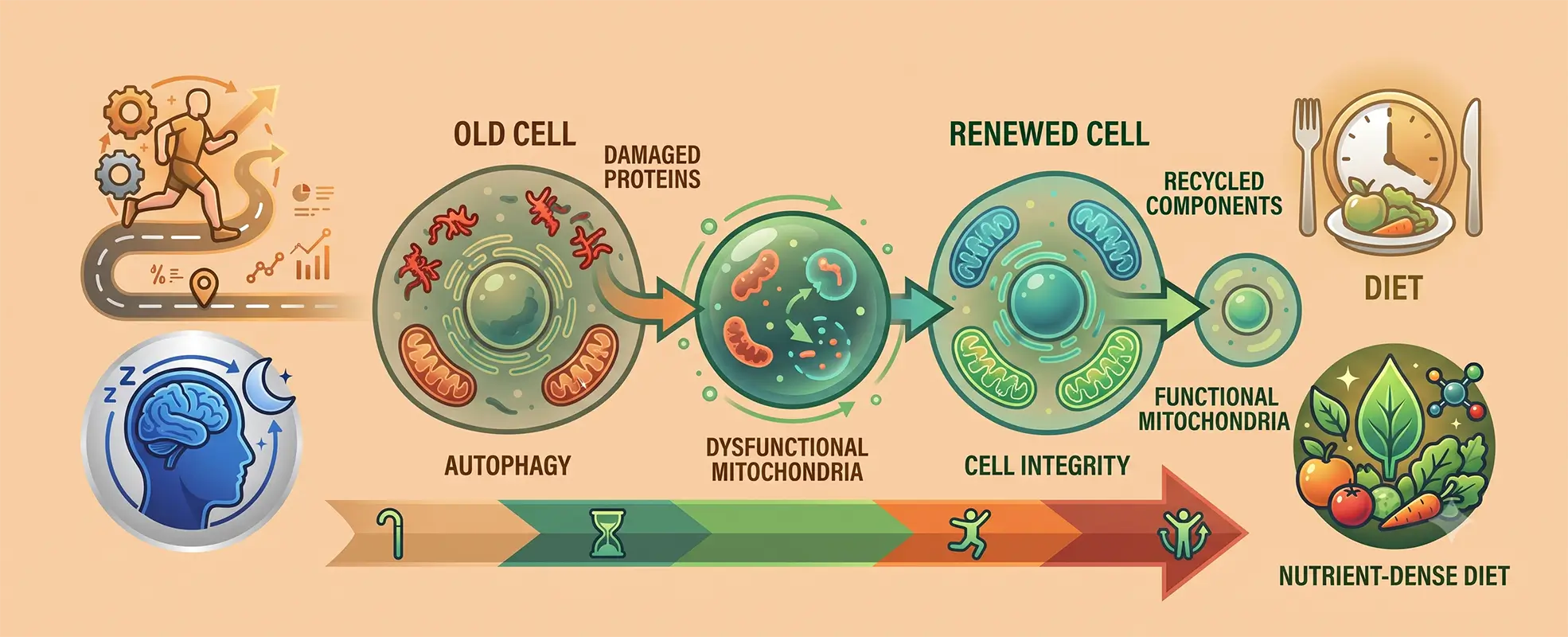
Autophagy is the body's cellular recycling system. Cells identify damaged proteins and dysfunctional mitochondria, break them down, and reuse the components.
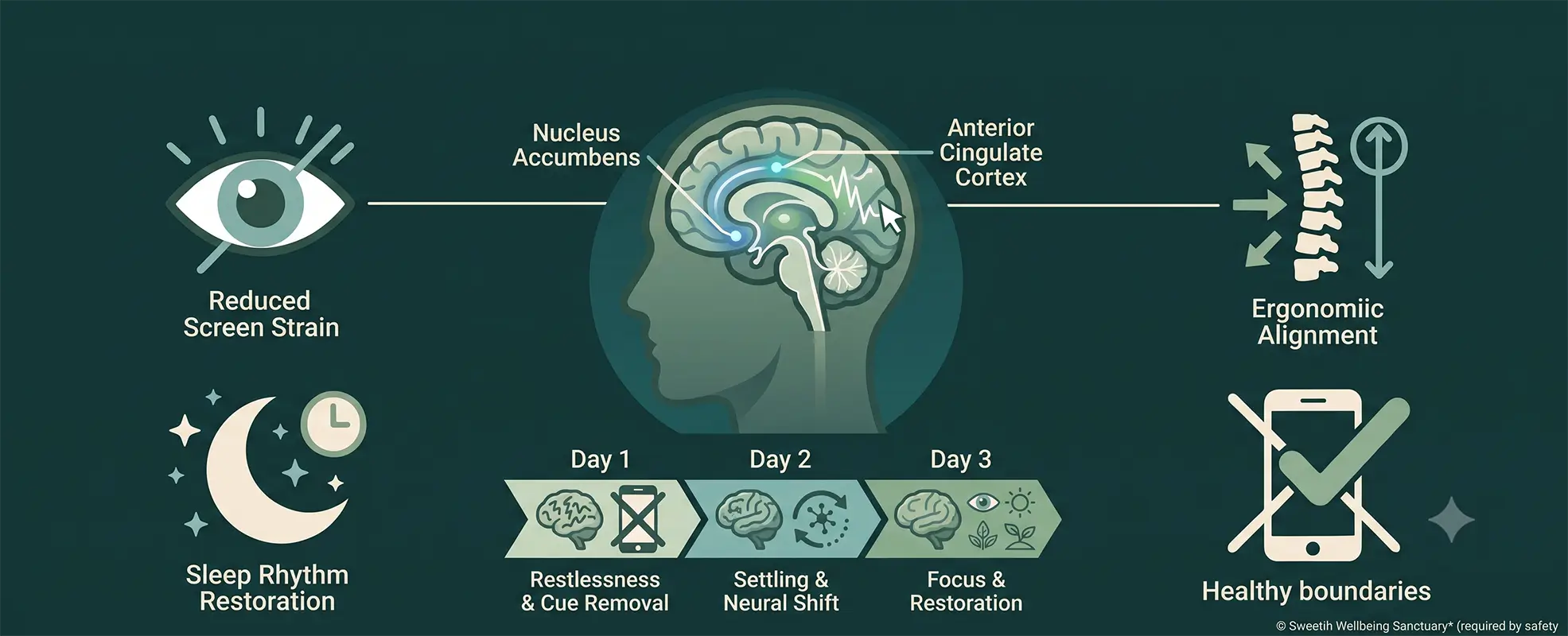
A 72-hour digital detox is a three-day period in which smartphone use is cut back to essentials, with recreational scrolling removed entirely
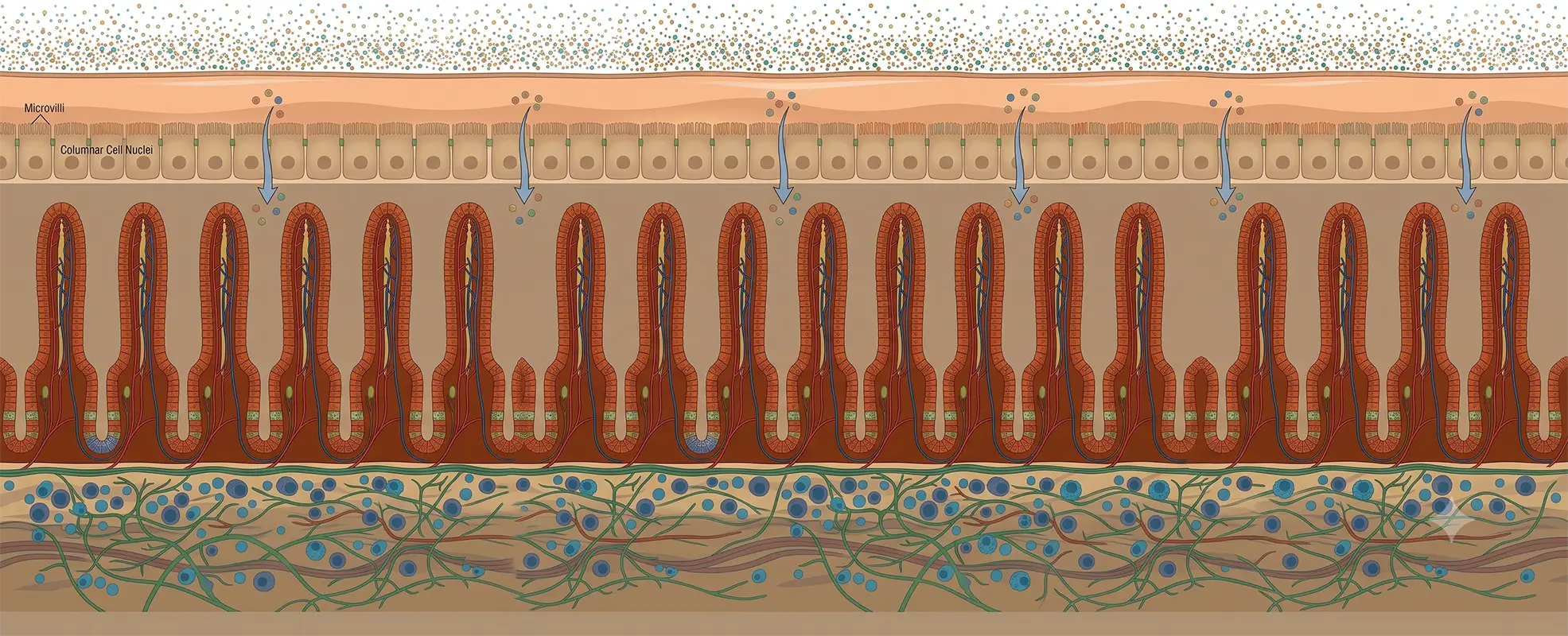
The intestinal epithelium is the most rapidly renewing tissue in the human body, and gut lining regeneration replaces the entire lining
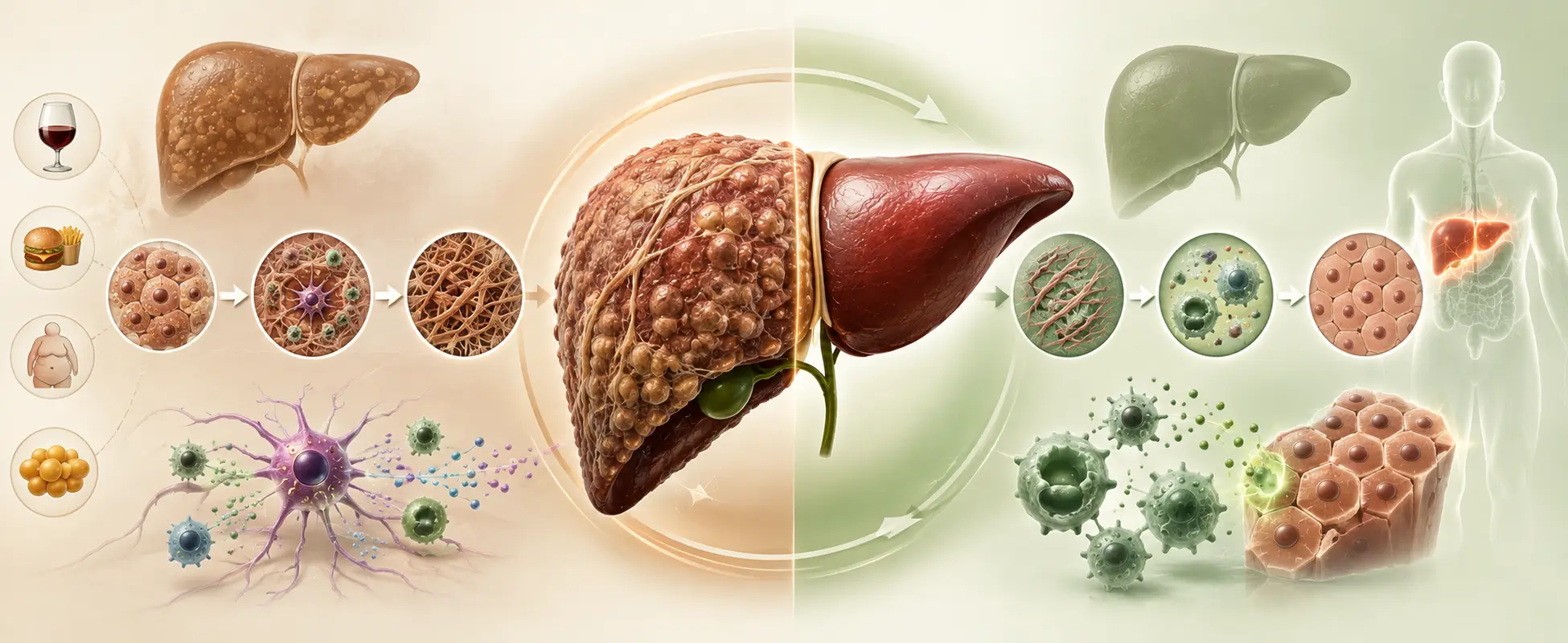
The liver is the only internal human organ capable of substantial regeneration after significant tissue loss.
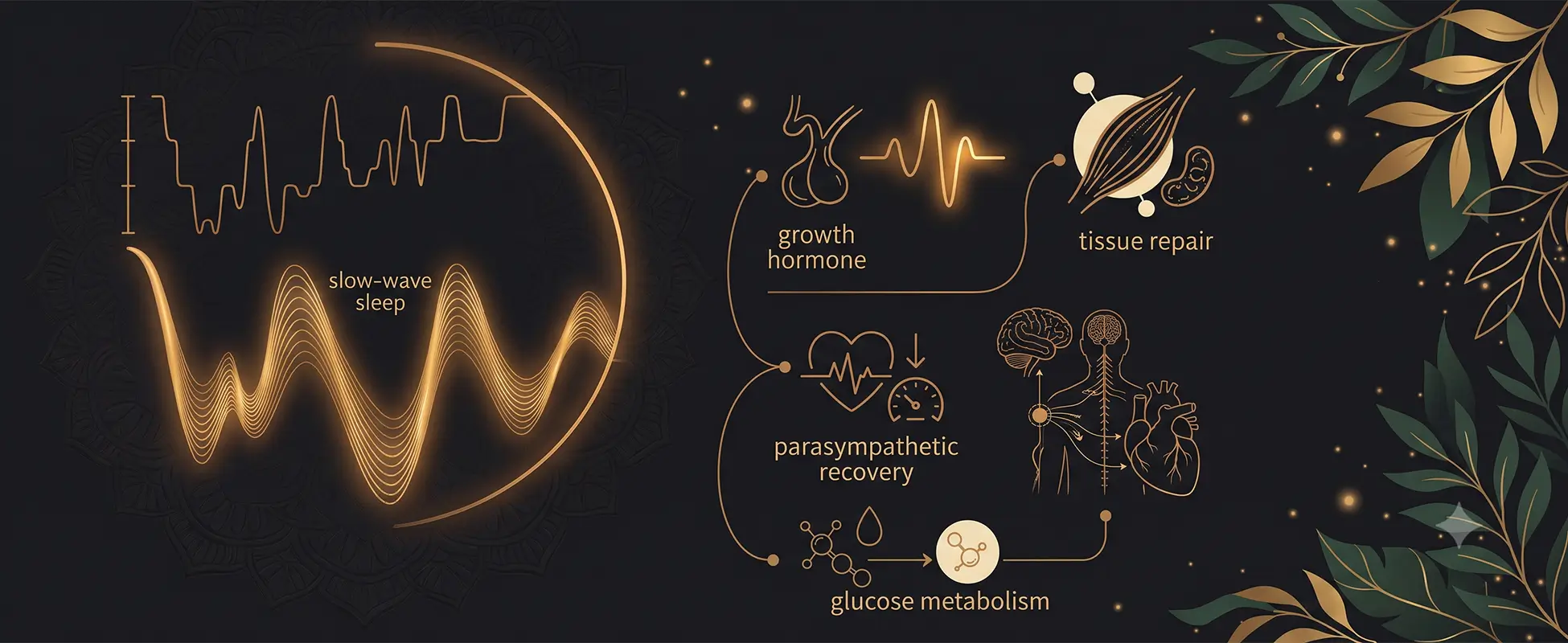
Sleep optimisation is the practice of protecting sleep architecture - the proportion of deep and REM sleep...
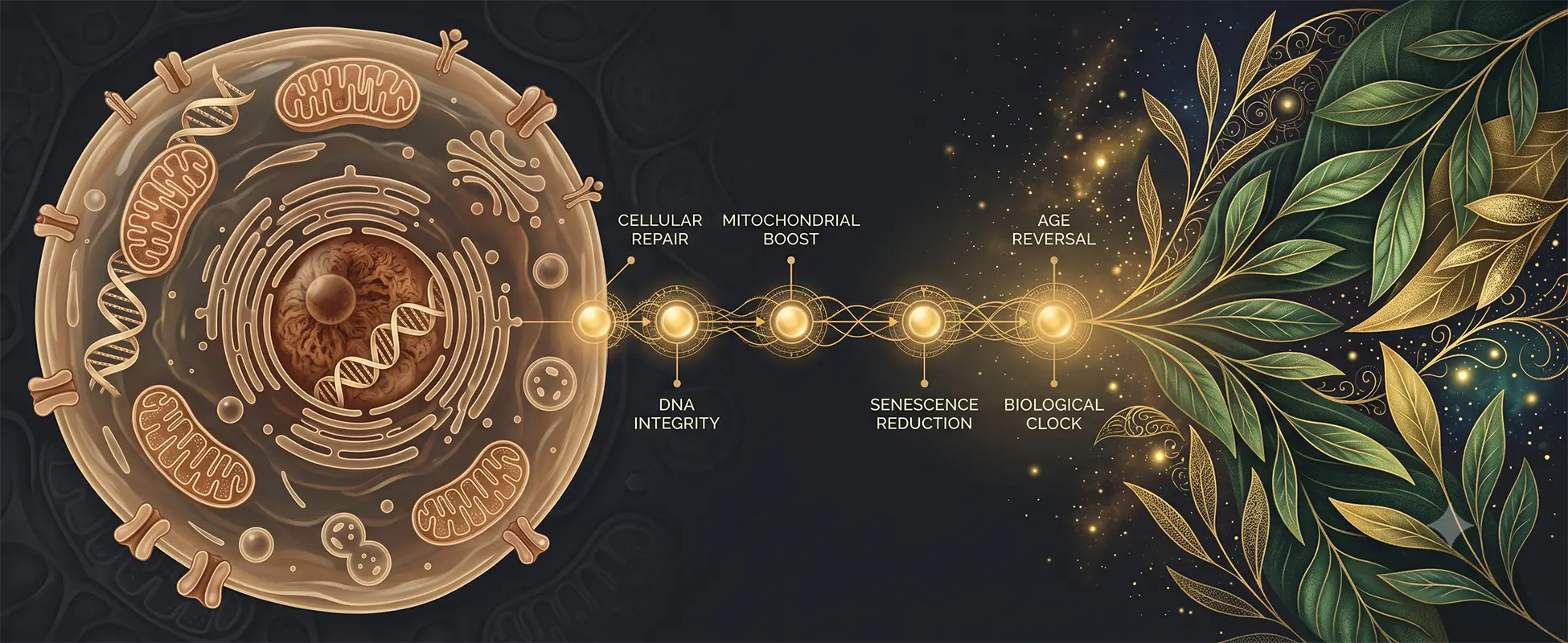
The hallmarks of ageing are the cellular and molecular processes that drive biological ageing...
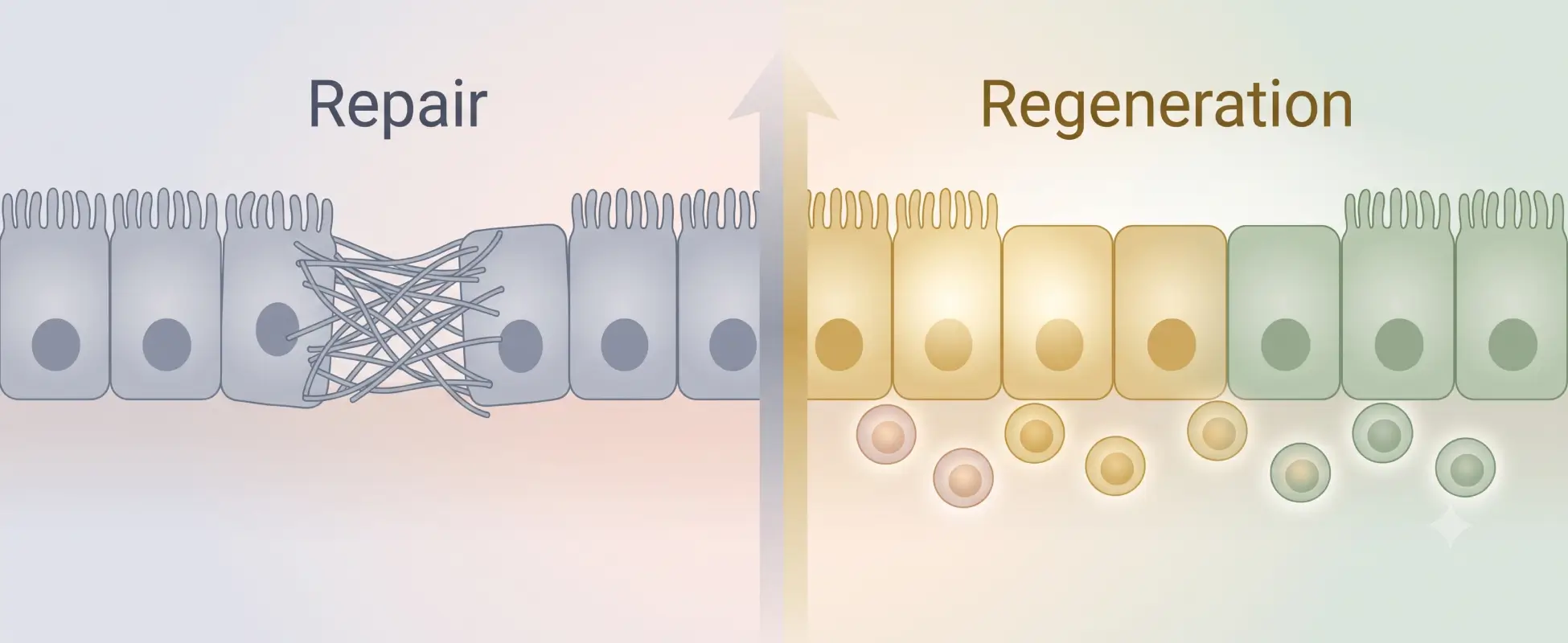
Repair is the body's emergency response — it seals damage with collagen scar tissue that never regains original function.