
Diwali Detox: How to Reset Before and After the Festive Season
A Diwali detox is a short, gentle reset before and after the festive season. It reduces the load that rich food, sugar, alcohol, late nights and firecracker smoke place on the body, and supports the organs that already detoxify it: the liver, kidneys, gut and lungs. It does not require juice cleanses, detox teas or extreme fasting.
In 2026, Diwali falls on Sunday, 8 November. The days around it bring celebrations, family gatherings and travel, but also broken routines that many people feel for weeks afterwards as tiredness, bloating, poor sleep and low energy. A little planning before the festival and a structured week afterwards make that recovery faster.
What is a Diwali detox?
A Diwali detox is a few days of simpler eating, steady sleep, hydration and movement, timed around the festive season. Its aim is not to flush out toxins, which the body does on its own, but to lighten the load on the systems that do that work so they can recover from several days of excess.
The human body has its own detoxification system. The liver processes alcohol and other compounds, the kidneys filter the blood, the gut eliminates waste and the lungs clear what is inhaled. Our guide to how the body cleanses itself naturally explains this in more detail. A festive reset simply gives these organs the conditions to do their job well.
How does the festive season affect the body?
The festive season affects the body through several overlapping changes at once: more sugar and fried food, irregular meals, later nights, more alcohol for some people, and poorer air quality in many cities. Each is manageable on its own; together, over several days, they can leave the body feeling heavy and depleted.
Sweets, fried snacks and overeating
Mithai, fried snacks and large festive meals are high in sugar, refined flour and fat. Repeated sugar-heavy days lead to sharper rises and falls in blood sugar, which many people feel as energy crashes and cravings. For anyone already showing early signs of insulin resistance, the festive season deserves particular care.
Late nights and broken sleep
Parties, travel and noise push bedtimes later and make sleep irregular. Even a few nights of shortened or fragmented sleep affect appetite, mood and blood sugar control, which is why sleep is the first thing to restore after the festival.
Alcohol
Alcohol can make it easier to fall asleep, but research shows it disrupts sleep in the second half of the night and reduces REM sleep. It also adds to the liver’s workload at a time when the diet is already heavier than usual.
Firecracker smoke and air quality
Air quality in many Indian cities tends to worsen around Diwali, as firecracker smoke combines with seasonal factors such as cooler, still air. Fine particles irritate the airways and are a particular concern for children, older adults and people with asthma or heart and lung conditions.
The Ayurvedic view: weak agni and ama
Ayurveda describes the after-effects of heavy, irregular eating as a weakening of agni, the digestive fire, which leads to ama, the residue of incompletely digested food. Heaviness, a coated tongue, bloating and low appetite are traditionally read as signs of this state, and a lighter diet is the first step in restoring balance.
How to prepare your body before Diwali
The easiest Diwali detox starts before the festival. Using the week before Diwali to protect sleep, simplify everyday meals and keep moving means the body enters the festive days with reserves, not already depleted from work and preparations.
- Keep a regular sleep and wake time, even during busy preparation days.
- Keep everyday meals simple and home-cooked, so festive food is the exception and not the whole week.
- Drink water steadily through the day; thirst is easy to miss during busy days.
- Keep a short daily walk or yoga practice in the routine.
- If you have asthma, diabetes or a heart condition, check that medicines and inhalers are stocked before the holidays.
How to enjoy Diwali without overdoing it
Enjoying Diwali without overdoing it is about a few small habits, not restriction. Festive food is part of the celebration; the aim is to avoid the stacking of sugar, late nights and alcohol day after day.
- Eat a proper meal with protein and vegetables before visiting, so sweets are not eaten on an empty stomach.
- Choose the sweets you enjoy most and have a smaller portion, instead of sampling everything.
- Alternate any alcoholic drink with a glass of water, and stop well before bedtime.
- Take a 10 to 15 minute walk after large meals.
- Stay indoors on evenings when smoke is heavy, especially with children or older relatives.
A 7-day post-Diwali reset plan
A seven-day reset after Diwali is enough for most healthy adults to recover. It works in three stages: first rest digestion and rehydrate, then restore sleep and movement, and finally rebuild a normal, balanced routine. No special products are needed.
| Days | Focus | What to do |
|---|---|---|
| Days 1–2 | Rest digestion and rehydrate | Warm, simple meals such as moong dal khichdi and vegetable soup; warm water through the day; no sweets, fried food or alcohol |
| Days 3–4 | Restore sleep and movement | Fixed bedtime and wake time; screens off an hour before sleep; 30 minutes of walking or yoga; meals with dal, vegetables and whole grains |
| Days 5–7 | Rebuild routine | Regular meal times with protein at each meal; more fibre from vegetables and fruit; breathing practice or meditation for 10 minutes; return to normal exercise |
If heaviness, poor sleep or low energy continue for more than two weeks after the festival, or if you notice symptoms such as unexplained weight loss, persistent digestive pain or breathlessness, see a doctor instead of extending a home detox.
What does Ayurveda recommend after Diwali?
In Ayurveda, Diwali falls in Sharad ritu, the autumn season, which is associated with an aggravation of pitta, the principle linked to heat and metabolism. Classical Ayurvedic texts recommend cleansing during this season, and Sharad has traditionally been considered a suitable time for Panchakarma, particularly virechana, a supervised therapeutic purgation.
For home care, Ayurveda favours light, warm and freshly cooked food, regular meal times and early nights. Herbal preparations should be taken only on the advice of a qualified Ayurvedic physician, as their suitability depends on the individual. Seasonal Panchakarma has a long tradition in Ayurveda, as explored in our article on why Panchakarma is timed to the seasons.
Detox myths to avoid this festive season
Many popular detox products promise quick results after the festive season, but most are unnecessary and some can do harm. An evidence-led reset relies on ordinary food, water, sleep and movement.
- Detox teas. Many work mainly as laxatives, which can cause dehydration without removing toxins.
- Juice-only cleanses. These are high in sugar and low in protein and fibre, and are unsuitable for people with diabetes.
- Extreme fasting. Long fasts after heavy eating can trigger rebound overeating and are unsafe for some people.
- Sweating it out. Saunas and steam can be relaxing, but sweat is not a major route for removing toxins.
Our look at what actually works behind the detox maxxing trend explores why simple, consistent habits outperform extreme protocols.
When is a structured detox programme worth it?
A structured detox programme is worth considering when heaviness, fatigue, poor sleep or digestive problems were present long before the festive season and have not settled with simple changes. In that case, the festive season is often the moment people notice an underlying pattern, not its cause.
Our guide to the signs your body needs a deeper detox explains which symptoms suggest more than a short reset. At Swastik Wellbeing Sanctuary in Khadakwasla, Pune, the post-festive options include:
- The physician-led Deep Detox programme, which runs for 7, 14 or 21 nights and begins with a consultation to tailor diet, therapies and daily routine.
- The Liver Restore programme, for people concerned about liver health, fatty liver or the effects of alcohol and a heavy diet.
- The two- or three-night Wellness Holiday, a non-therapeutic stay for rest, nourishing food and time in nature after a busy festive season.
Sources
- Ebrahim IO, Shapiro CM, Williams AJ, Fenwick PB. Alcohol and sleep I: effects on normal sleep. Alcoholism: Clinical and Experimental Research. 2013;37(4):539–549. ScienceDaily summary
Frequently Asked Questions
What is a Diwali detox?
A Diwali detox is a short, gentle reset before and after the festive season. It reduces the load of rich food, sugar, alcohol, late nights and smoke on the body, and supports the organs that already detoxify it: the liver, kidneys, gut and lungs. It relies on simple meals, hydration, sleep and movement, not on juice cleanses or extreme fasting.
When should I start a post-Diwali detox?
Start once the festive days are over, usually two or three days after Diwali, which falls on 8 November in 2026. A gentle seven-day reset is enough for most healthy adults. Beginning a few days before the festival, by fixing sleep and simplifying meals, makes the recovery afterwards easier.
What should I eat after Diwali to reset digestion?
Choose warm, simple and easily digested meals for a few days: moong dal khichdi, vegetable soups, lightly cooked seasonal vegetables, dal and rice, and curd or buttermilk if they suit you. Drink warm water through the day and cut back on sweets, fried snacks and refined flour. Return to a normal balanced diet gradually rather than switching to a restrictive plan.
Do detox teas or juice cleanses work after Diwali?
There is little good evidence that detox teas or juice cleanses remove toxins. The liver and kidneys do that work continuously. Many detox teas act as laxatives, and juice-only plans are high in sugar and low in protein. Supporting the body with sleep, water, fibre, protein and movement is safer and more effective.
How can I protect my lungs from Diwali smoke?
Check the local air quality index during the festive week and stay indoors with windows closed when it is poor, especially in the evenings. A well-fitted N95 mask helps outdoors. Keep children, older adults and anyone with asthma or heart or lung conditions away from firecracker smoke, and keep any prescribed inhalers to hand.
Is it safe to fast after Diwali?
A light day of simple meals is safe for most healthy adults, but long fasts are not necessary and are not suitable for everyone. People with diabetes, low blood pressure, a history of eating disorders, those who are pregnant or breastfeeding, and anyone on regular medication should speak with their doctor before fasting or making major dietary changes.
Can I do Panchakarma after Diwali?
Yes. In Ayurveda, the weeks around Diwali fall in Sharad ritu, the autumn season, which is traditionally considered a suitable time for Panchakarma. It should only be done under the supervision of a qualified Ayurvedic physician. At Swastik Wellbeing Sanctuary in Khadakwasla, Pune, the Ayurveda Panchakarma programme runs for 14 or 21 nights after an initial consultation.
About Dr. Feba Jos A.
Designation: Consultant – Naturopathy
Qualification: BNYS (Bachelor of Naturopathy and Yogic Sciences)
Experience: 8+ Years
Specialisation: Acupuncture, Lifestyle Disease Management, Gut Health, Naturopathy, Holistic Wellness
Dr. Feba Jos A. is a Consultant in Naturopathy with over 8 years of experience in clinical practice and academics. A graduate of SRKMCNYS, Tamil Nadu, she specialises in acupuncture, lifestyle disease management and gut health, following an evidence-informed, holistic approach to restoring long-term health and wellbeing.
Related Blogs
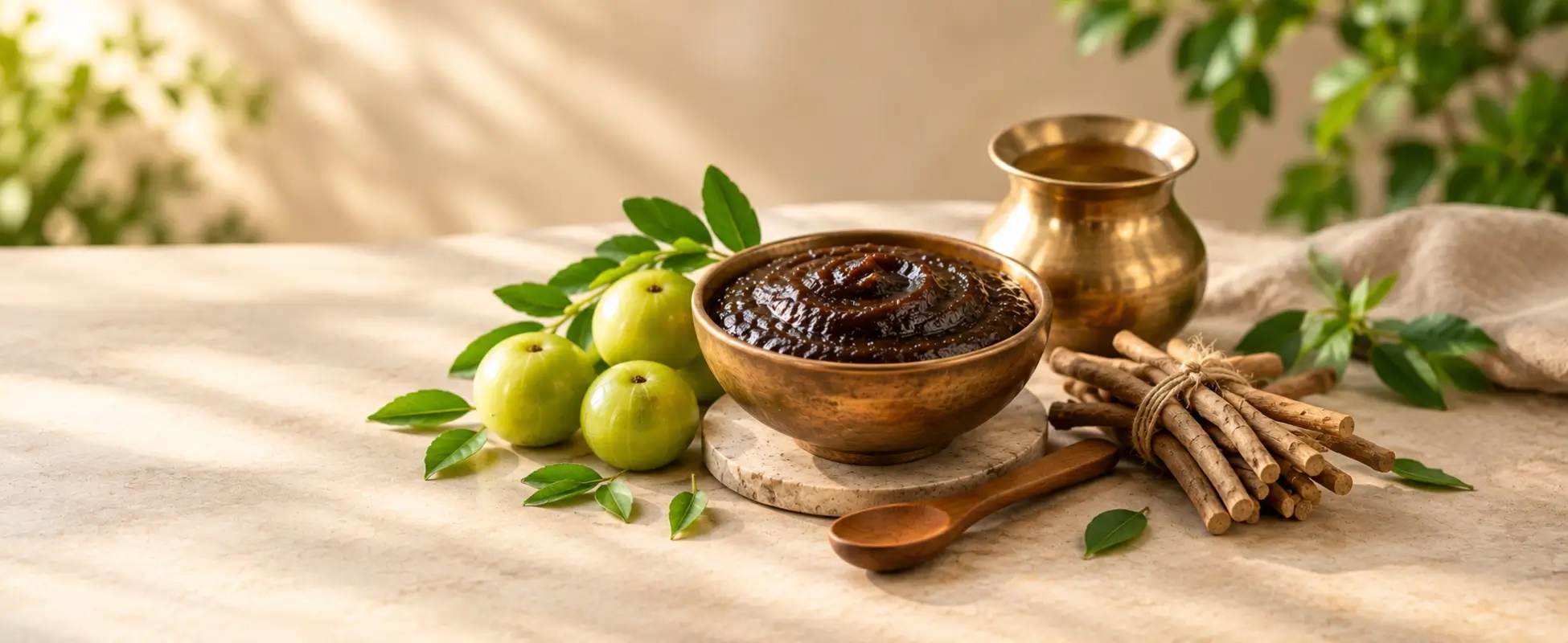
Rasayana therapy is the branch of Ayurveda devoted to rejuvenation, using diet, herbs, daily conduct and rest to nourish the tissues, usually after purification.

Preventive health aims to stop or catch disease early, longevity aims to extend healthspan, and regenerative wellness aims to restore the body's capacity to repair and recover.
Regenerative wellbeing is an approach to health that works to restore the body's own capacity to repair, renew and adapt, instead of only relieving symptoms or lowering future risk.
Sardinemaxxing is the practice of deliberately eating sardines far more often than usual, sometimes daily and sometimes exclusively, to capture their omega-3s.
Financial wellbeing is not simply about having more money. It is about having a sense of security, control, resilience and confidence around your financial life.
The vagus nerve is the main nerve of the parasympathetic nervous system, forming a two-way communication line between the brain and the heart, lungs and digestive tract.
Autophagy is the body's cellular recycling system. Cells identify damaged proteins and dysfunctional mitochondria, break them down, and reuse the components.

A 72-hour digital detox is a three-day period in which smartphone use is cut back to essentials, with recreational scrolling removed entirely
The intestinal epithelium is the most rapidly renewing tissue in the human body, and gut lining regeneration replaces the entire lining