Financial Wellbeing and Health: Understanding the Connection
Financial wellbeing is not simply about having more money. It is about having a sense of security, control, resilience and confidence around your financial life, and being able to make choices without persistent financial stress dominating your everyday experience.
Why wellbeing now includes your financial life
For years, conversations around wellbeing have largely focused on physical health, nutrition, exercise and mental wellbeing. But there is another dimension that increasingly shapes how people experience life: financial wellbeing.
At Swastik Wellbeing Sanctuary, this broader understanding is reflected in a five-dimensional philosophy of wellbeing covering Health, Wealth, Love, Bliss and Spirituality.
When does financial stress become a health issue?
Money concerns do not remain confined to a bank account. Financial uncertainty can become a persistent source of psychological stress, influencing how people sleep, eat, work, recover and interact with others. It moves from being a financial problem to being a whole-body one.
Recent research has specifically examined the relationship between financial stress and cardiovascular health, highlighting financial strain and “financial toxicity” as multidimensional factors relevant to cardiovascular disease.
This is an important shift in how we understand wellbeing. The question is no longer simply “how healthy are you?” It is also: “what pressures are influencing your ability to live healthily?”
How are wealth and health actually connected?
Research into the relationship between wealth and health suggests that the connection is complex rather than linear. More money does not automatically produce better health, and financial security is not the same thing as financial wellbeing.
A longitudinal study examining intergenerational financial transfers found no systematic causal evidence that receiving financial transfers directly improved physical health, mental health or perceived financial security. This is an important reminder that financial resources alone do not automatically translate into wellbeing.
What matters is how financial circumstances interact with the wider conditions of life: security, behaviour, relationships, environment and access to health-supporting choices. Money can influence the conditions in which we live, but wellbeing is created through the way those conditions, choices and behaviours come together.
Financial wellbeing and the workplace
For many people, financial wellbeing is closely connected to professional life. Workplace wellness programmes have increasingly been evaluated not only for health outcomes but also for their potential economic impact, and the evidence is more mixed than the industry usually admits.
A review of workplace wellness research found positive economic outcomes in several studies, while also noting considerable variation between programmes and the need for stronger long-term evidence. A large randomised trial published in JAMA found higher rates of some self-reported health behaviours, but no significant effect on clinical measures, healthcare spending or employment outcomes over eighteen months.
Another evaluation found that a workplace wellness programme encouraged preventive screening and short-term behaviour change, while its effect on healthcare expenditure was positive but statistically insignificant. The researchers argued that early evaluation should consider behaviour change and participation rather than expecting immediate financial savings.
This distinction matters. Wellness should not be sold simply as an investment strategy. Its value can also be seen in healthier behaviours, resilience, prevention, quality of life and the ability to function well over time. That is the thinking behind the corporate wellness and leadership programme at Swastik Wellbeing Sanctuary, which addresses stress, resilience and working rhythms rather than screening alone. Where the pressure has already accumulated, our guide to executive burnout recovery for senior leaders covers what structured recovery involves.
What is the real cost of an unhealthy lifestyle?
Health and financial wellbeing also intersect through lifestyle. Poor sleep, inactivity, chronic stress, unhealthy eating and inadequate recovery can influence long-term health, and health disruption carries both personal and financial consequences.
Research and clinical perspectives on lifestyle modification increasingly emphasise physical activity, nutrition, risk reduction and preventive health as important components of cardiovascular health.
Your health is an asset. Protecting that asset is not about fear or optimisation for its own sake. It is about creating the physical and mental capacity to participate fully in work, relationships, family life and the experiences that give life meaning.
From financial wellness to whole-person wellbeing
At Swastik, Wealth is one part of a much larger ecosystem of wellbeing. The five dimensions of Health, Wealth, Love, Bliss and Spirituality recognise that a fulfilling life cannot be reduced to a single metric.
- Financial wellbeing creates greater security.
- Physical wellbeing creates capacity.
- Emotional wellbeing creates resilience.
- Relationships create belonging.
- Spiritual wellbeing creates meaning.
Swastik Wellbeing Sanctuary is a regenerative wellbeing sanctuary set across 51 acres at Peacock Valley, Khadakwasla, near Pune, where ancient healing traditions are combined with modern science to support the body’s natural capacity to recover. That is why our approach to regenerative wellbeing looks beyond a single symptom or outcome. The objective is to create the conditions in which different aspects of life can come back into balance.
How can you improve your financial wellbeing?
Financial wellbeing begins with awareness rather than avoidance. Five practical starting points, none of which require a higher income, are set out below.
Understand your financial reality
Know your income, expenditure, commitments, savings and financial priorities. Clarity reduces the low-grade anxiety that comes from not knowing where you stand.
Reduce avoidable financial stress
Identify recurring pressures and create realistic systems around spending, saving and planning. Systems hold up better than willpower when pressure rises.
Protect your health
Health-related disruption can have significant personal and financial consequences. Preventive health and sustainable lifestyle practices therefore matter, and residential time in a structured stress and emotional balance programme can help reset rhythms that have drifted.
Create healthier work rhythms
Financial goals should not come at the permanent expense of sleep, relationships, recovery and physical health.
Invest in long-term capacity
Your health, skills, relationships and resilience are all forms of personal capital. They compound in the same way money does, and they deplete in the same way too.
At Swastik, Wealth is more than money
Our interpretation of Wealth extends beyond financial accumulation. It is about recognising and nurturing the resources that allow a person to live fully: health, energy, time, relationships, knowledge, financial security and a sense of purpose.
Which Swastik programmes complement this philosophy?
Six of the seventeen wellness programmes at Swastik Wellbeing Sanctuary speak directly to the relationship between financial pressure, working life and health.
- Corporate Wellness and Leadership — for organisations looking at employee wellbeing beyond physical health, including stress, resilience, performance and healthier work rhythms.
- Stress and Emotional Balance — relevant for individuals experiencing persistent stress, including stress associated with work and financial uncertainty.
- Cellular Vitality and Longevity — for seekers interested in protecting long-term health, vitality and functional capacity.
- Sleep Optimisation — because financial or professional pressure often manifests through disrupted recovery and sleep.
- Cardiac Wellness — relevant to the emerging research around financial strain and cardiovascular health. That research describes an association studied at population level; it does not mean financial stress causes any individual’s cardiac condition.
- Wellness Holiday — for people who simply need space to step away from constant work, stimulation and responsibility, and reconnect with healthier rhythms.
Wealth gives us resources. Health gives us the capacity to experience them. At Swastik, we believe true wellbeing begins when we stop looking at these dimensions separately. Regenerative wellbeing is about creating a life where health, wealth, relationships, purpose and inner balance can coexist — not perfectly, but consciously and sustainably.
Frequently Asked Questions
What is financial wellbeing?
Financial wellbeing is the sense of security, control, resilience and confidence a person has around their financial life. It is not defined by income or net worth. Someone with modest earnings and stable habits can have stronger financial wellbeing than a high earner living under constant financial pressure. The defining feature is being able to make choices without persistent money stress dominating daily life.
Can financial stress affect your physical health?
Financial uncertainty can act as a persistent psychological stressor, influencing sleep, eating patterns, recovery and relationships. Published research has examined financial strain and financial toxicity as multidimensional factors relevant to cardiovascular disease. This describes an association observed at population level rather than a direct cause in any one person. If money worry is affecting your sleep or health, speak to a qualified doctor.
Is financial wellbeing the same as being wealthy?
No. A longitudinal study of intergenerational financial transfers found no systematic causal evidence that receiving money directly improved physical health, mental health or perceived financial security. Financial resources shape the conditions people live in, but wellbeing emerges from how those conditions combine with behaviour, relationships, environment and access to health-supporting choices.
Do workplace wellness programmes actually work?
The evidence is mixed. A review of workplace wellness research found positive economic outcomes in several studies, with considerable variation between programmes. A large randomised trial found improvements in some self-reported health behaviours but no significant effect on clinical measures or healthcare spending over eighteen months. Early evaluation is better focused on behaviour change and participation than on immediate financial savings.
How can I reduce financial stress without increasing my income?
Start with awareness rather than avoidance. Map your income, expenditure, commitments and savings so the picture is clear. Identify recurring pressures and build realistic systems around spending and planning. Protect sleep and recovery, because health disruption carries both personal and financial cost. Practices such as meditation for cortisol reduction can support stress recovery alongside practical financial steps.
Which Swastik programmes help with work and money-related stress?
Corporate Wellness and Leadership is designed for organisations addressing employee wellbeing beyond physical health. Stress and Emotional Balance suits individuals living with persistent stress, including pressure from work or financial uncertainty. Sleep Optimisation is relevant where professional pressure shows up as disrupted recovery. Swastik Wellbeing Sanctuary runs seventeen wellness programmes in total.
Where is Swastik Wellbeing Sanctuary located?
Swastik Wellbeing Sanctuary is a regenerative wellbeing sanctuary set across 51 acres at Peacock Valley, Khadakwasla, Pune, Maharashtra. The property offers more than 210 therapies delivered by over 60 practitioners. Enquiries can be made by phone on +919240252132 or by email at info@swastikwellbeing.com.
References
- Song Z, Baicker K. Effect of a Workplace Wellness Program on Employee Health and Economic Outcomes: A Randomized Clinical Trial. JAMA, 2019;321(15):1491–1501. PMID 30990549
- Astrella JA. Return on Investment: Evaluating the Evidence Regarding Financial Outcomes of Workplace Wellness Programs. J Nurs Adm, 2017;47(7–8):379–383. PMID 28727623
- Morihara C, et al. Financial Toxicity: Inequities and Impact on Cardiovascular Disease. Arterioscler Thromb Vasc Biol, 2026;46(8). PMID 42345100
- Arena R. Lifestyle modification interventions and cardiovascular health: global perspectives on worksite health and wellness and cardiac rehabilitation. Prog Cardiovasc Dis, 2014;56(5):473–475. PMID 24607010
- Mukhopadhyay S, Wendel J. Evaluating an employee wellness program. Int J Health Care Finance Econ, 2013;13(3–4):173–199. PMID 23749214
- Ong R, Nguyen T, Kendall G. The impact of intergenerational financial transfers on health and wellbeing outcomes: A longitudinal study. Social Science & Medicine, 2018.
About Dr. Nitin
Designation: Consultant – Naturopathy & Acupuncture
Qualification: CCIM – NIMHANS Certified
Experience: 4+ Years
Specialisation: Naturopathy, Acupuncture, Holistic Healing, Integrative Therapies, Personalised Wellness Programmes
Dr. Nitin is a Naturopathy Physician and certified Acupuncturist with over 4 years of clinical and wellness experience. His expertise lies in holistic healing, integrative therapies, and personalised wellness programmes that promote long-term health and vitality.
Related Blogs
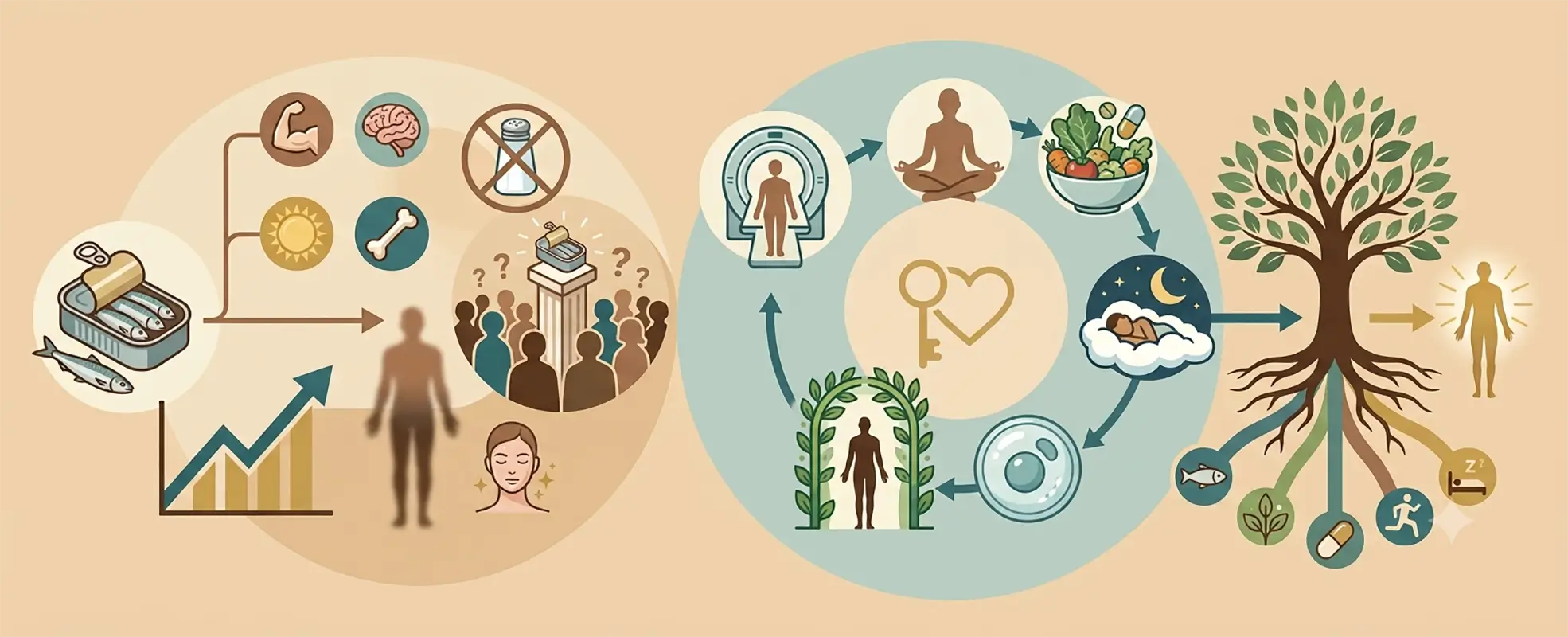
Sardinemaxxing is the practice of deliberately eating sardines far more often than usual, sometimes daily and sometimes exclusively, to capture their omega-3s.
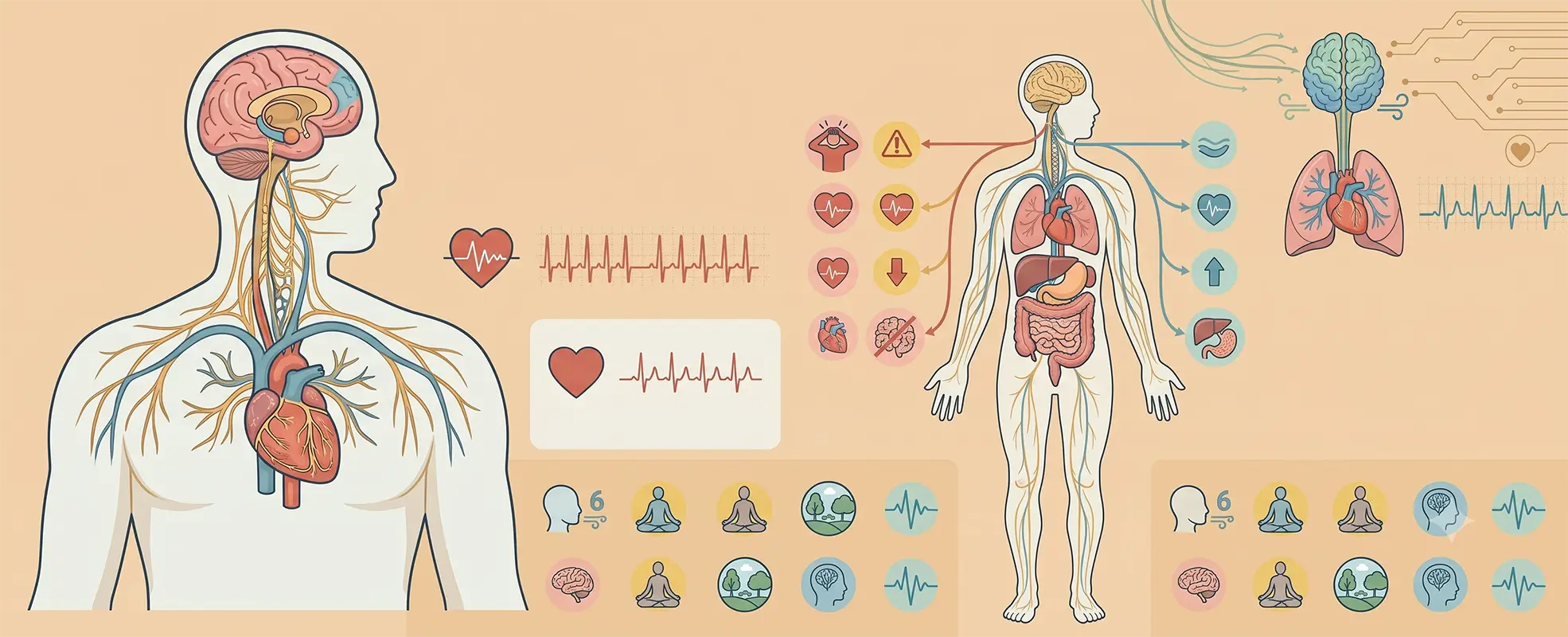
The vagus nerve is the main nerve of the parasympathetic nervous system, forming a two-way communication line between the brain and the heart, lungs and digestive tract.
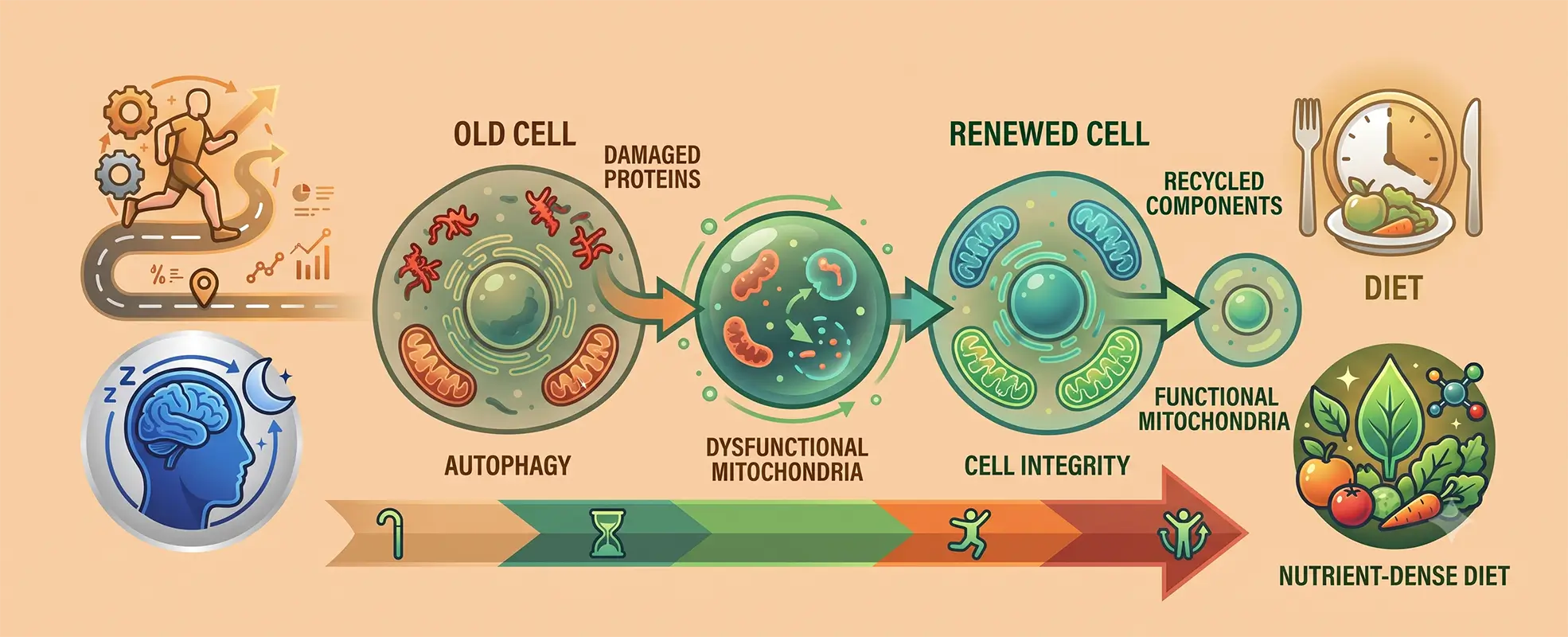
Autophagy is the body's cellular recycling system. Cells identify damaged proteins and dysfunctional mitochondria, break them down, and reuse the components.
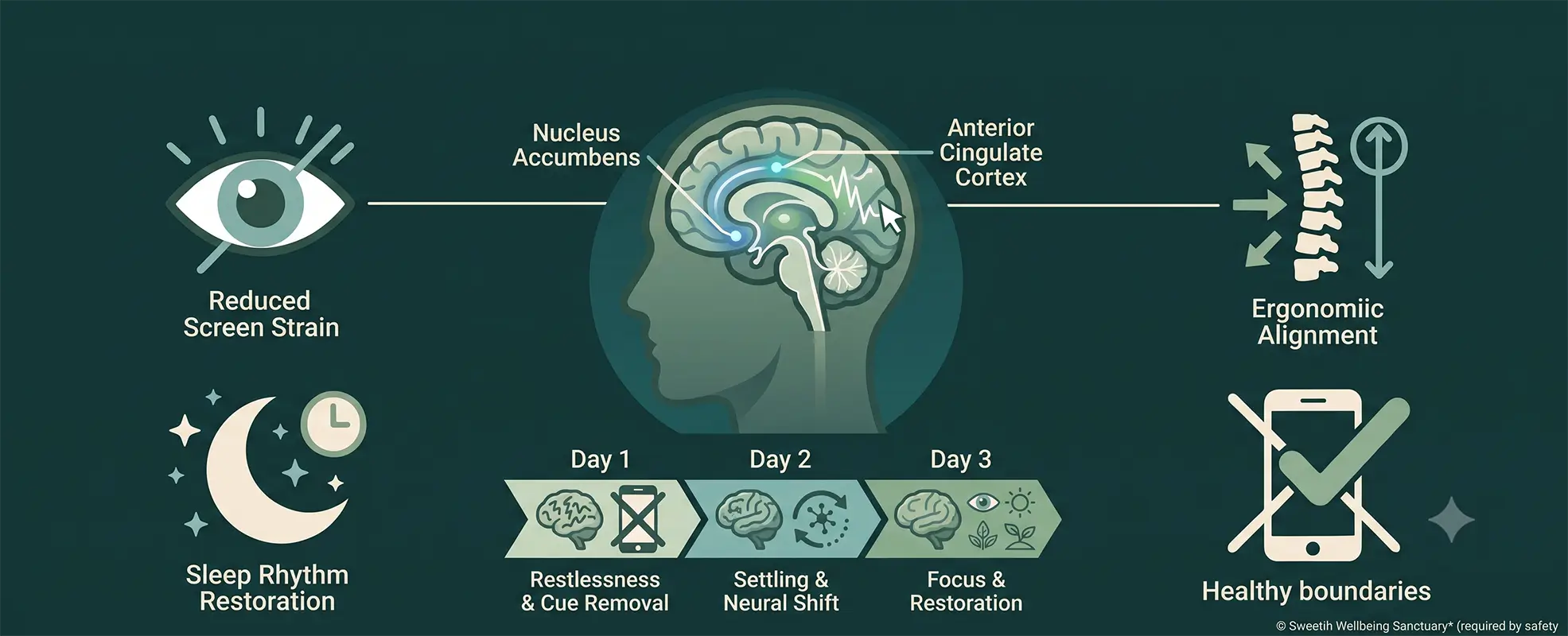
A 72-hour digital detox is a three-day period in which smartphone use is cut back to essentials, with recreational scrolling removed entirely
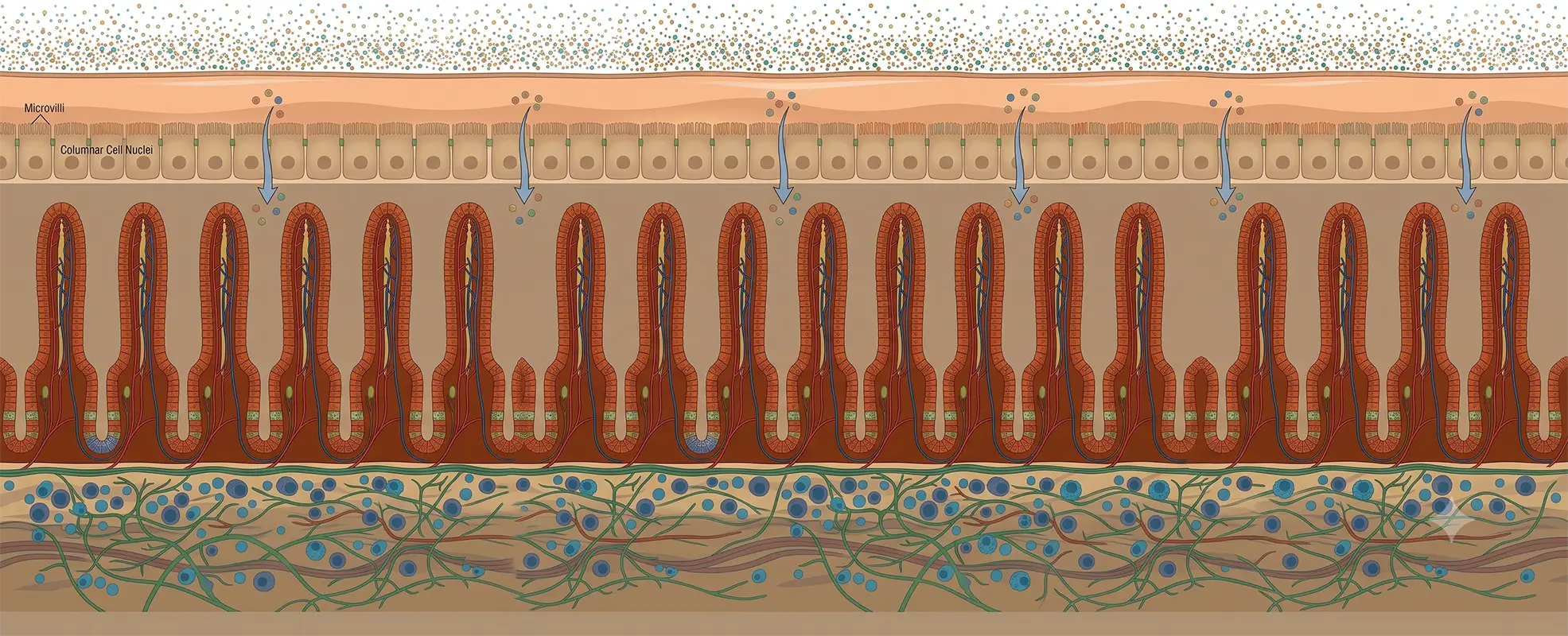
The intestinal epithelium is the most rapidly renewing tissue in the human body, and gut lining regeneration replaces the entire lining
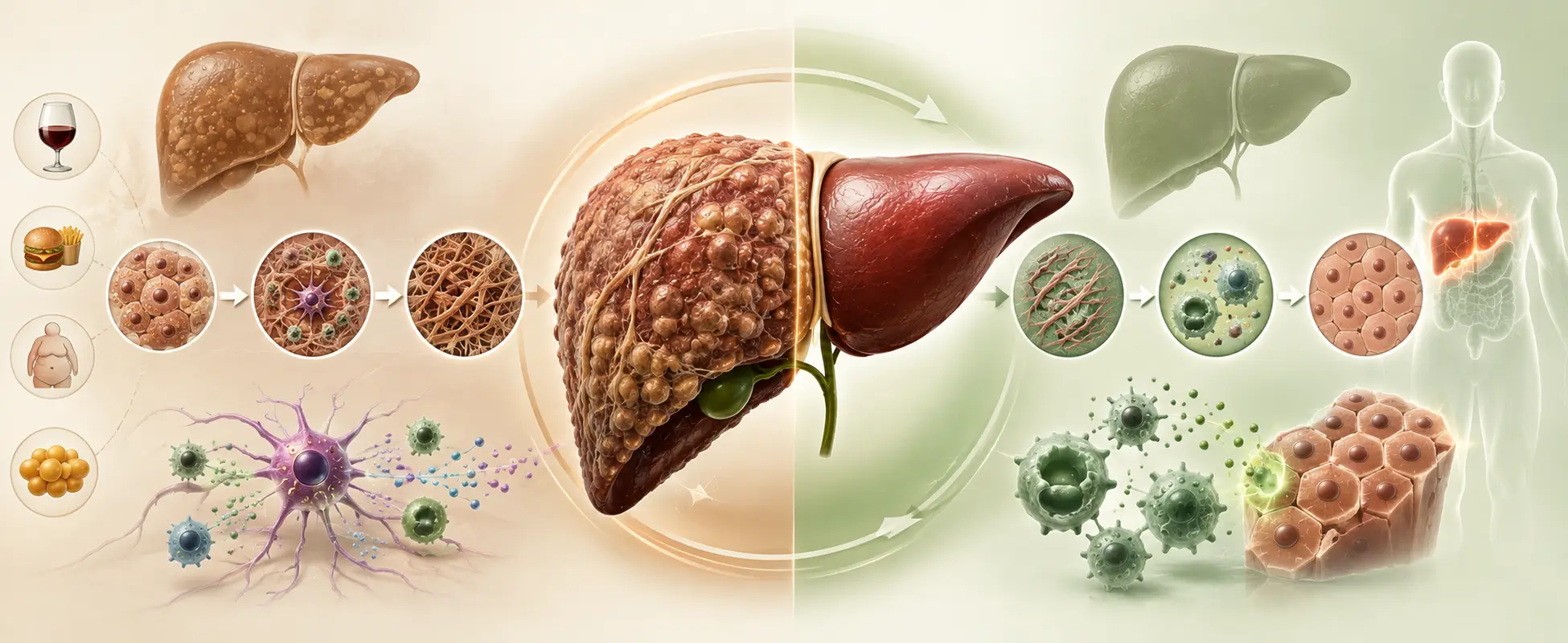
The liver is the only internal human organ capable of substantial regeneration after significant tissue loss.
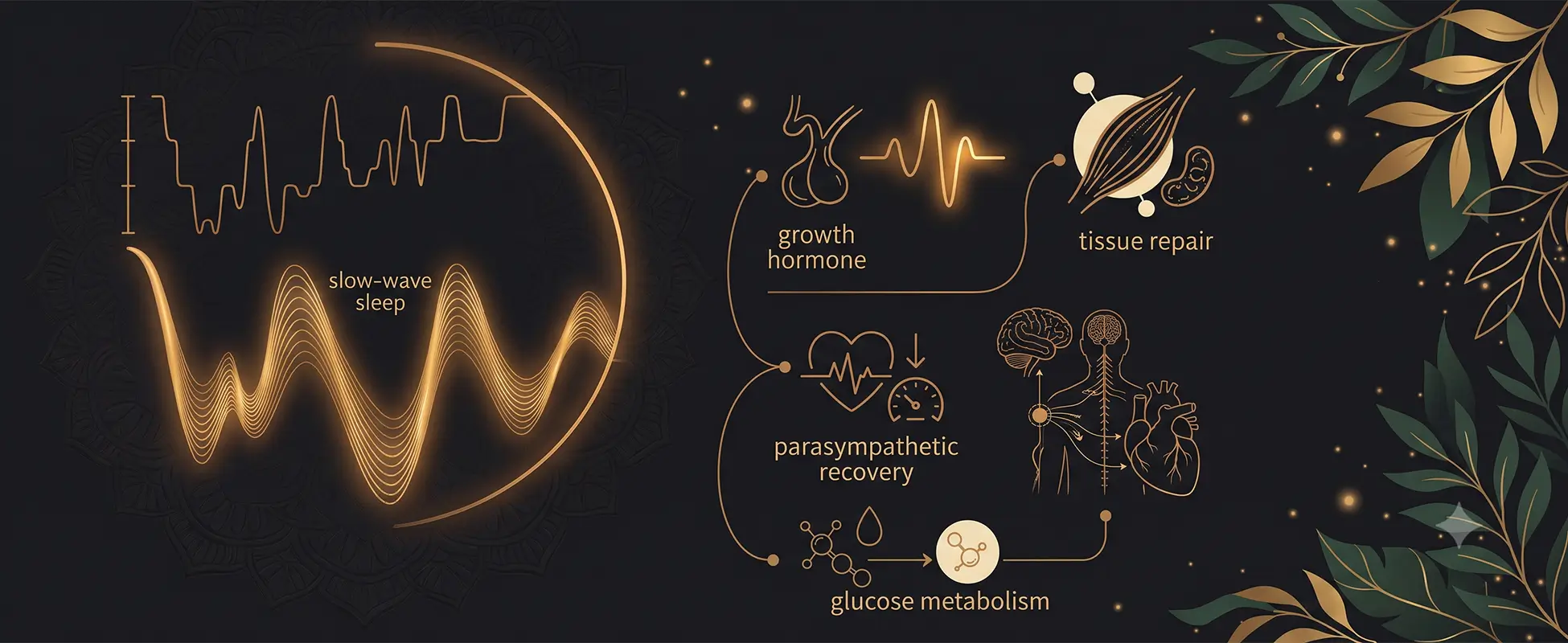
Sleep optimisation is the practice of protecting sleep architecture - the proportion of deep and REM sleep...
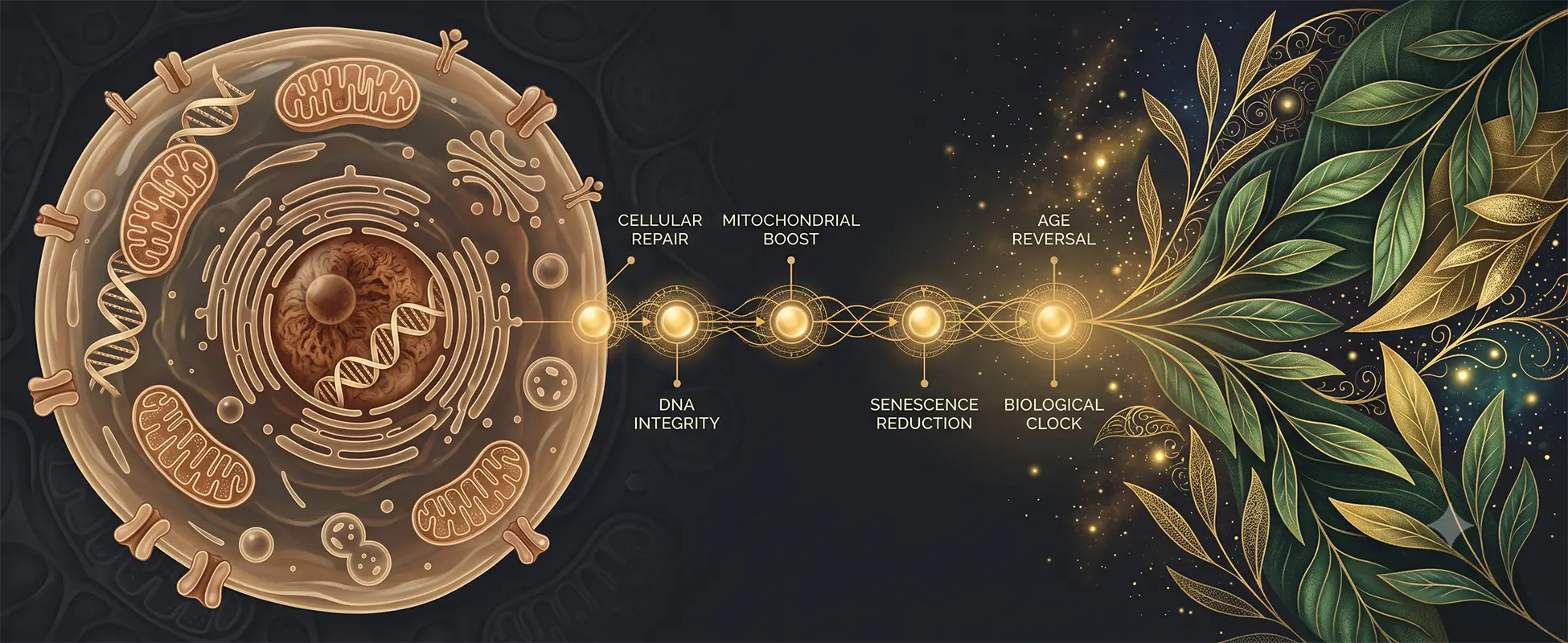
The hallmarks of ageing are the cellular and molecular processes that drive biological ageing...
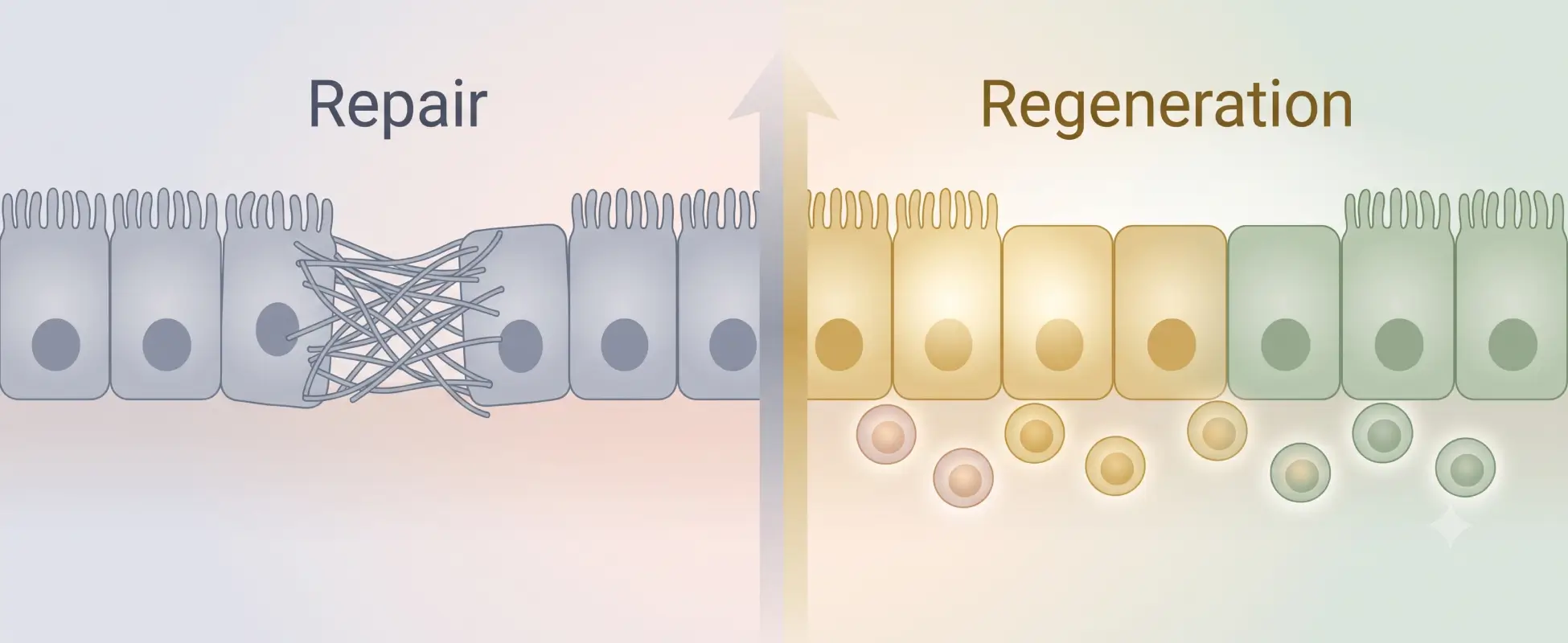
Repair is the body's emergency response — it seals damage with collagen scar tissue that never regains original function.