
The Vagus Nerve: The Missing Link Between Stress and Regeneration
The vagus nerve is the main nerve of the parasympathetic nervous system, forming a two-way communication line between the brain and the heart, lungs and digestive tract. Research increasingly treats vagal function as a key biological link between chronic stress, emotional resilience and the body’s capacity for repair and regeneration.
Stress has traditionally been viewed as a psychological experience. Modern neuroscience suggests something very different.
Stress is a whole-body biological event involving the brain, heart, immune system, endocrine system, gut microbiome, and the autonomic nervous system.
At the centre of this network lies the vagus nerve.
What is the vagus nerve and how does it shape the stress response?
The vagus nerve connects the brain to major organs throughout the body and regulates heart rate, inflammation, digestion, emotional responses, and recovery. It carries signals in both directions, allowing the body to mount a stress response when it is needed and return to a calm baseline once the challenge has passed.
Scientists increasingly recognise vagal function as one of the strongest predictors of resilience.
Because the same nerve links the digestive tract to the brain, vagal signalling also sits at the centre of the gut–brain axis and its influence on mood, sleep and focus.
Heart rate variability: a biomarker of resilience
One of the most important measurements in regenerative medicine is heart rate variability (HRV). HRV is the natural variation in time between consecutive heartbeats, and because the vagus nerve continually fine-tunes heart rate, it offers a practical, non-invasive window into vagal activity.
Higher HRV is associated with:
- Better emotional regulation
- Greater stress resilience
- Improved cardiovascular health
- Faster recovery
Reduced vagal activity, on the other hand, has been associated with depression, burnout, cardiovascular risk, and emotional dysregulation.
Research on cardiac vagal recovery also looks at how quickly HRV rebounds after a stressful task, because that recovery phase reflects parasympathetic function in real time.
At Swastik Wellbeing Sanctuary in Khadakwasla, Pune, HRV assessment forms part of the arrival diagnostic, and our guide to what HRV testing reveals about stress and recovery explains how readings are interpreted.
Why does regeneration require parasympathetic activation?
The human body cannot simultaneously remain in survival mode and repair mode. The sympathetic nervous system drives the fight-or-flight response, while the parasympathetic nervous system, with the vagus nerve as its principal pathway, governs rest, digestion and recovery.
Cellular repair, digestion, immune regulation, hormonal balance, and tissue regeneration occur predominantly when the parasympathetic nervous system is activated.
| Feature | Survival mode (sympathetic) | Repair mode (parasympathetic) |
|---|---|---|
| Main role | Mobilises energy to meet a threat | Conserves energy for recovery |
| Heart rate and HRV | Heart rate rises, HRV typically falls | Heart rate slows, HRV typically rises |
| Digestion | Deprioritised | Actively supported |
| Repair and regeneration | Deprioritised | Favoured |
Chronic stress keeps the body in survival mode for longer, leaving less time for this restorative state. For a closer look at what happens at the tissue level, see how cellular repair differs from true regeneration.
Which evidence-based approaches improve vagal function?
Research reviews point to accessible, non-invasive practices that engage the vagus nerve through the breath, the body and focused attention, and that can be used alone or in combination.
Research identifies several interventions:
- Controlled breathing
- Meditation
- Yoga
- Exposure to nature
- Mind-body therapies
- Heart rate variability training
These interventions improve communication between the heart and brain and strengthen adaptive responses to stress.
In research settings, controlled breathing is often practised as resonance breathing at roughly six breaths per minute, noticeably slower than the typical adult resting rate of 12 to 20 breaths per minute.
Therapeutic yoga brings several of these elements together, combining breath, movement and attention, as explored in yoga therapy for stress and anxiety.
The regenerative wellbeing perspective
Stress management should not focus exclusively on reducing symptoms. The objective should be to rebuild biological resilience.
Swastik Wellbeing Sanctuary is a regenerative wellbeing sanctuary in Khadakwasla, Pune, that integrates ancient healing traditions with modern science to support the body’s natural capacity to heal, regenerate and thrive.
This is why regenerative wellbeing combines neuroscience, traditional healing, movement, breathwork, meditation, nature exposure, and personalised therapies.
At the sanctuary, the stress and emotional balance programme brings these elements together through Ayurveda, naturopathy, yoga therapy, breathwork and psychological support, with guided meditation practised in the Dhyan Vihar meditation dome.
Stress reduction becomes more than relaxation. It becomes regeneration.
Scientific sources
- Vanderhasselt M-A, et al. Combining top-down and bottom-up interventions targeting the vagus nerve to increase resilience. Neuroscience & Biobehavioral Reviews. 2022;132:725–729. PubMed 34801258
- Dedoncker J, et al. Mental health during the COVID-19 pandemic and beyond: the importance of the vagus nerve for biopsychosocial resilience. Neuroscience & Biobehavioral Reviews. 2021;125:1–10. PubMed 33582230
- Roddick CM, et al. Cardiac vagal recovery following acute psychological stress in human adults: a scoping review. Neuroscience & Biobehavioral Reviews. 2025;176:106268. PubMed 40571137
Frequently Asked Questions
What does the vagus nerve do?
The vagus nerve is the main nerve of the parasympathetic nervous system. It carries signals in both directions between the brain and major organs, including the heart, lungs and digestive tract, and helps regulate heart rate, inflammation, digestion and emotional responses. Its activity also shapes how efficiently the body returns to a calm baseline after stress, which is why it is closely studied in resilience research.
What is vagal tone?
Vagal tone describes the level of activity of the vagus nerve, particularly its calming influence on the heart. It cannot be measured directly in everyday settings, so researchers commonly estimate it through heart rate variability, especially the component that rises and falls with breathing. Higher vagal tone is generally associated with better emotional regulation and a more flexible, adaptive response to stress.
How does chronic stress affect the vagus nerve?
Chronic stress keeps the sympathetic, fight-or-flight branch of the nervous system dominant for longer, which is reflected in reduced vagal activity and lower heart rate variability. Research has associated reduced vagal activity with depression, cardiovascular risk and difficulty regulating emotions. Less time in the parasympathetic state also means less time for the digestion, immune regulation and repair processes it supports.
Is heart rate variability a reliable marker of stress resilience?
Heart rate variability is one of the most widely used non-invasive markers of vagal activity, and how quickly it recovers after stress reflects parasympathetic function. However, much of the research is correlational, and healthy values vary with age, fitness and how readings are taken. HRV is most meaningful when tracked against a personal baseline and interpreted alongside a clinician, not as a single number.
How can I improve vagal tone naturally?
Research points to controlled breathing, meditation, yoga, time in nature, mind-body therapies and heart rate variability training as accessible ways to support vagal function. Slow resonance breathing at around six breaths per minute is a technique frequently used in research. The effect of meditation on stress hormones is explored further in our guide to meditation for cortisol reduction.
Why does the body repair itself better in a relaxed state?
The parasympathetic nervous system, often called the rest-and-digest system, supports digestion, immune regulation, hormonal balance and tissue repair. Under acute or chronic stress, the body prioritises immediate survival, directing resources towards alertness and energy mobilisation. Shifting back into a parasympathetic state through breath, rest and restorative practices gives these slower repair processes the conditions they need.
What is regenerative wellbeing?
Regenerative wellbeing is an approach that aims to rebuild the body’s biological resilience rather than only relieving symptoms. At Swastik Wellbeing Sanctuary in Khadakwasla, Pune, it combines neuroscience, Ayurveda and other traditional healing systems, movement, breathwork, meditation, nature exposure and personalised therapies, delivered through programmes such as stress and emotional balance.
About Dr. Nitin
Designation: Consultant – Naturopathy & Acupuncture
Qualification: CCIM – NIMHANS Certified
Experience: 4+ Years
Specialisation: Naturopathy, Acupuncture, Holistic Healing, Integrative Therapies, Personalised Wellness Programmes
Dr. Nitin is a Naturopathy Physician and certified Acupuncturist with over 4 years of clinical and wellness experience. His expertise lies in holistic healing, integrative therapies, and personalised wellness programmes that promote long-term health and vitality.
Related Blogs
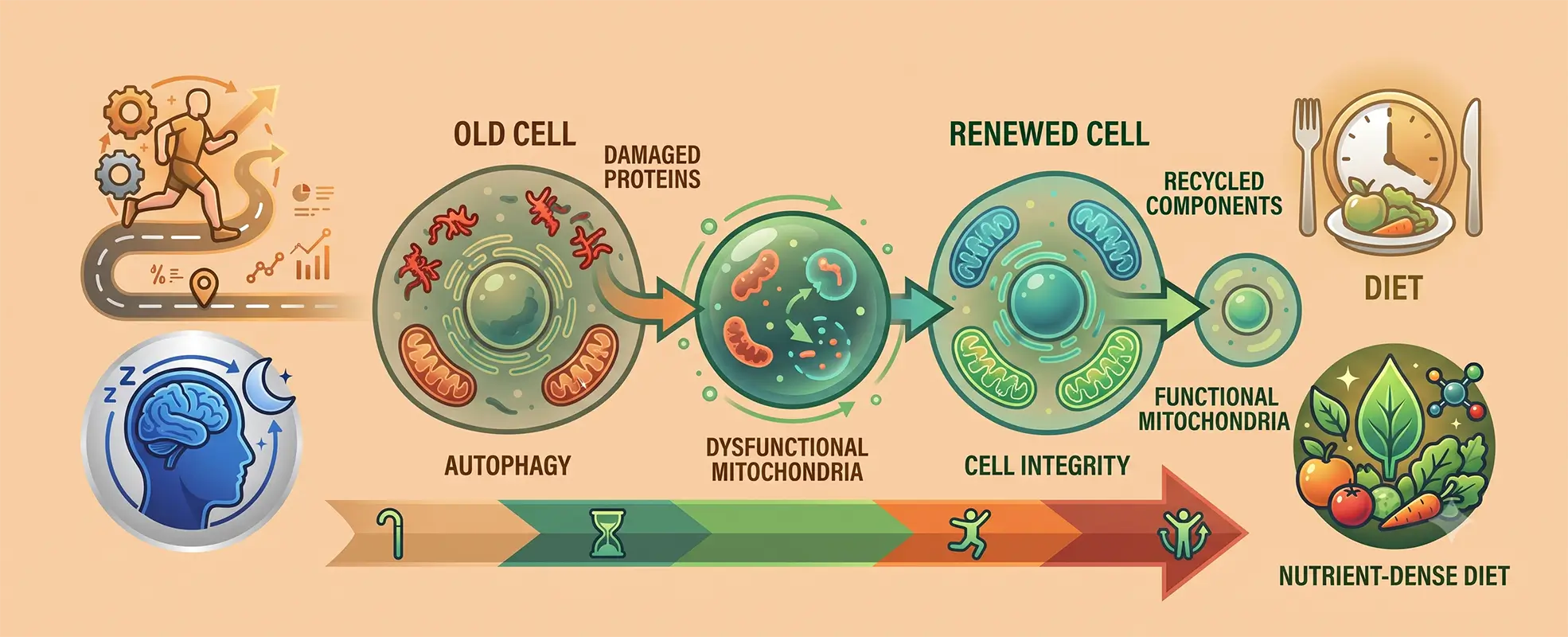
Autophagy is the body's cellular recycling system. Cells identify damaged proteins and dysfunctional mitochondria, break them down, and reuse the components.
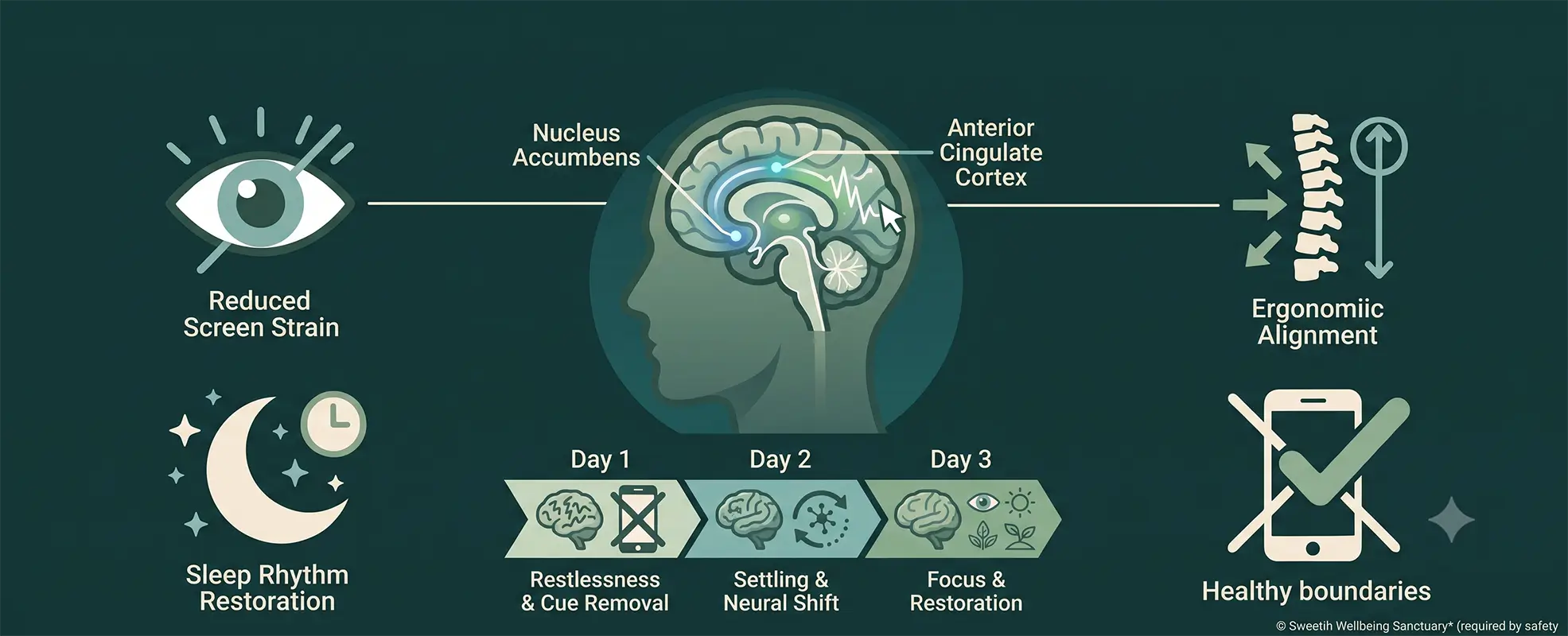
A 72-hour digital detox is a three-day period in which smartphone use is cut back to essentials, with recreational scrolling removed entirely
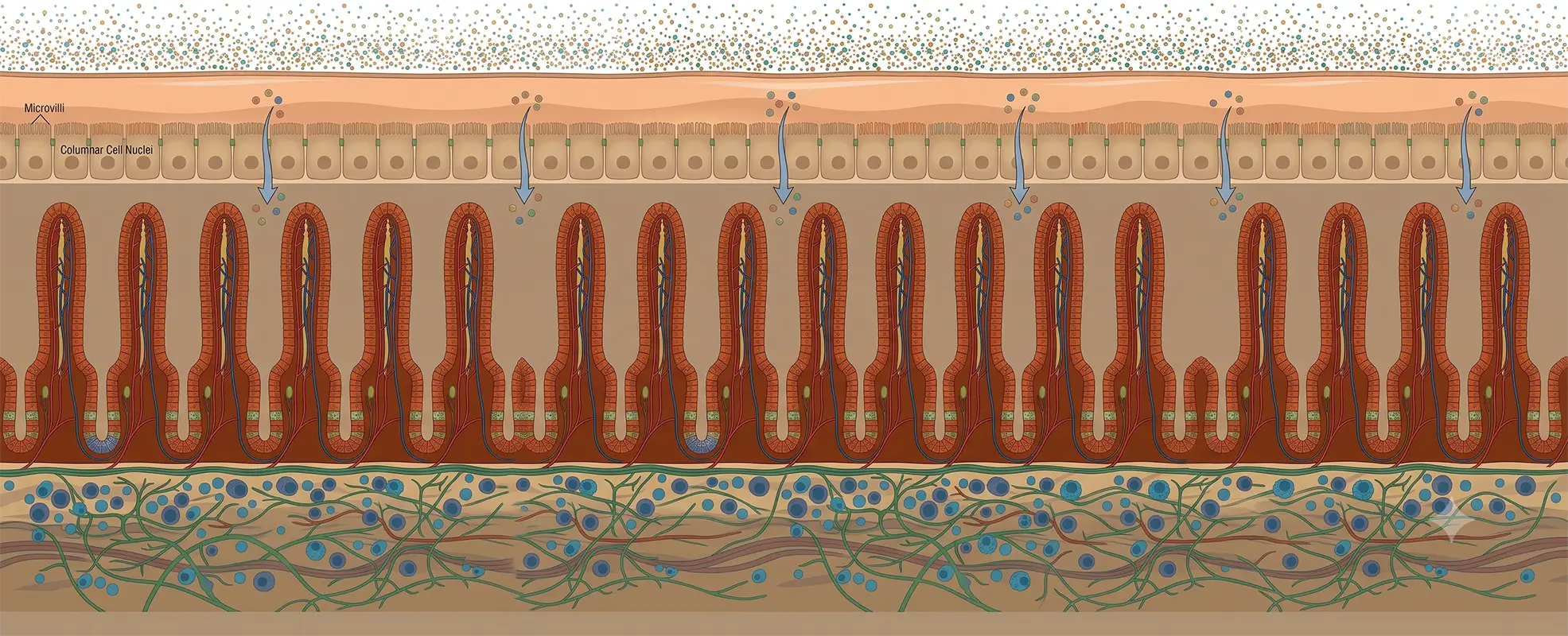
The intestinal epithelium is the most rapidly renewing tissue in the human body, and gut lining regeneration replaces the entire lining
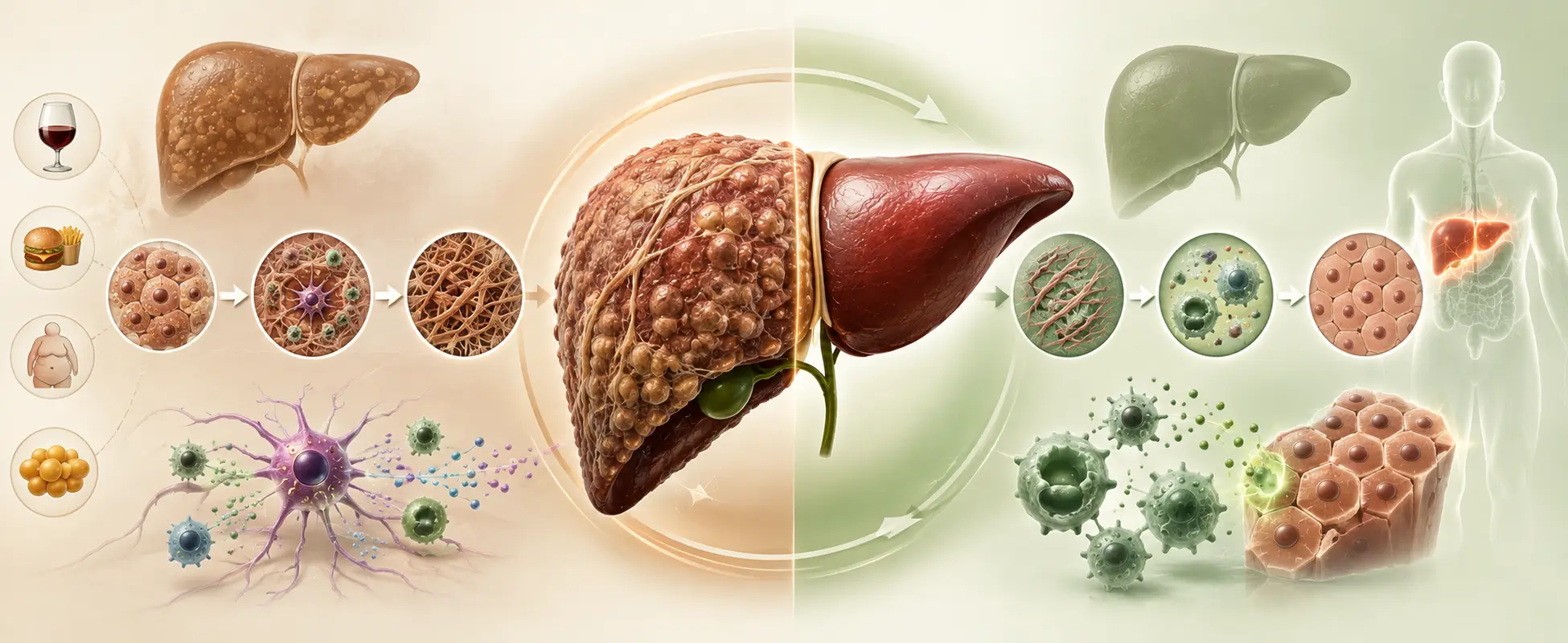
The liver is the only internal human organ capable of substantial regeneration after significant tissue loss.
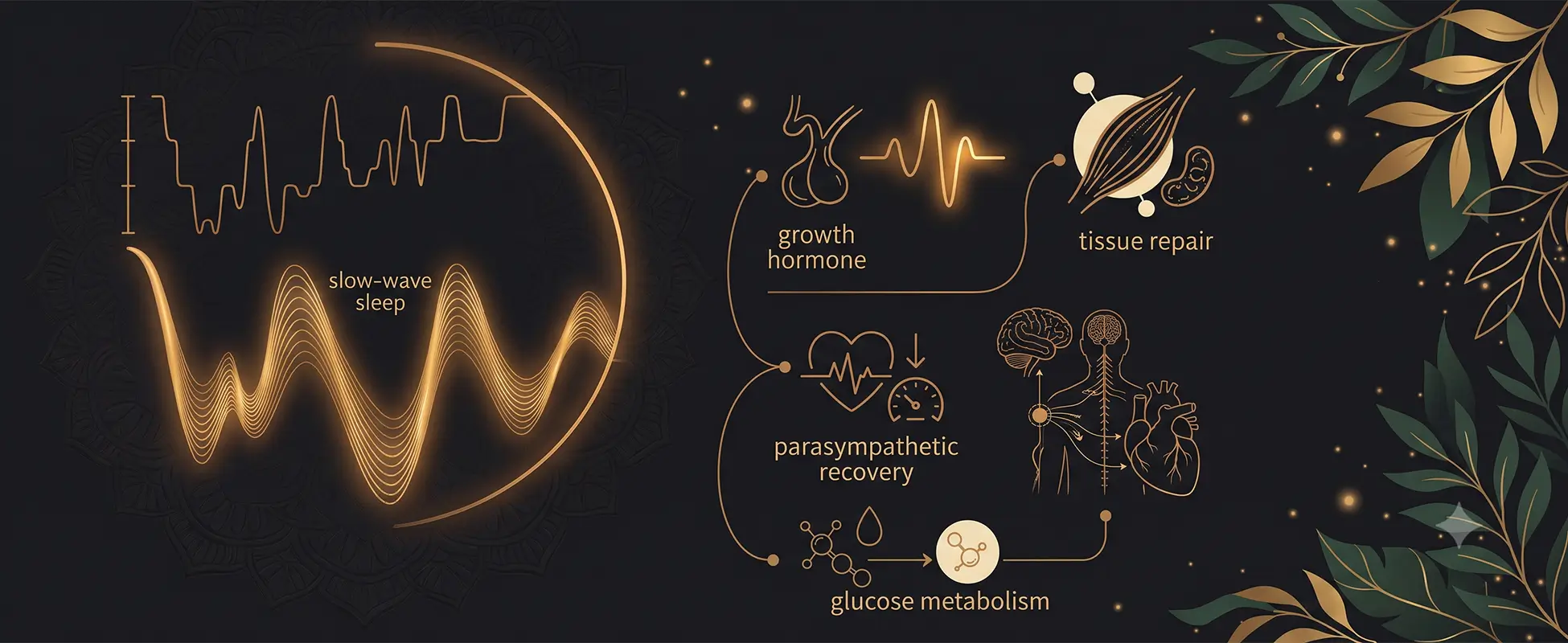
Sleep optimisation is the practice of protecting sleep architecture - the proportion of deep and REM sleep...
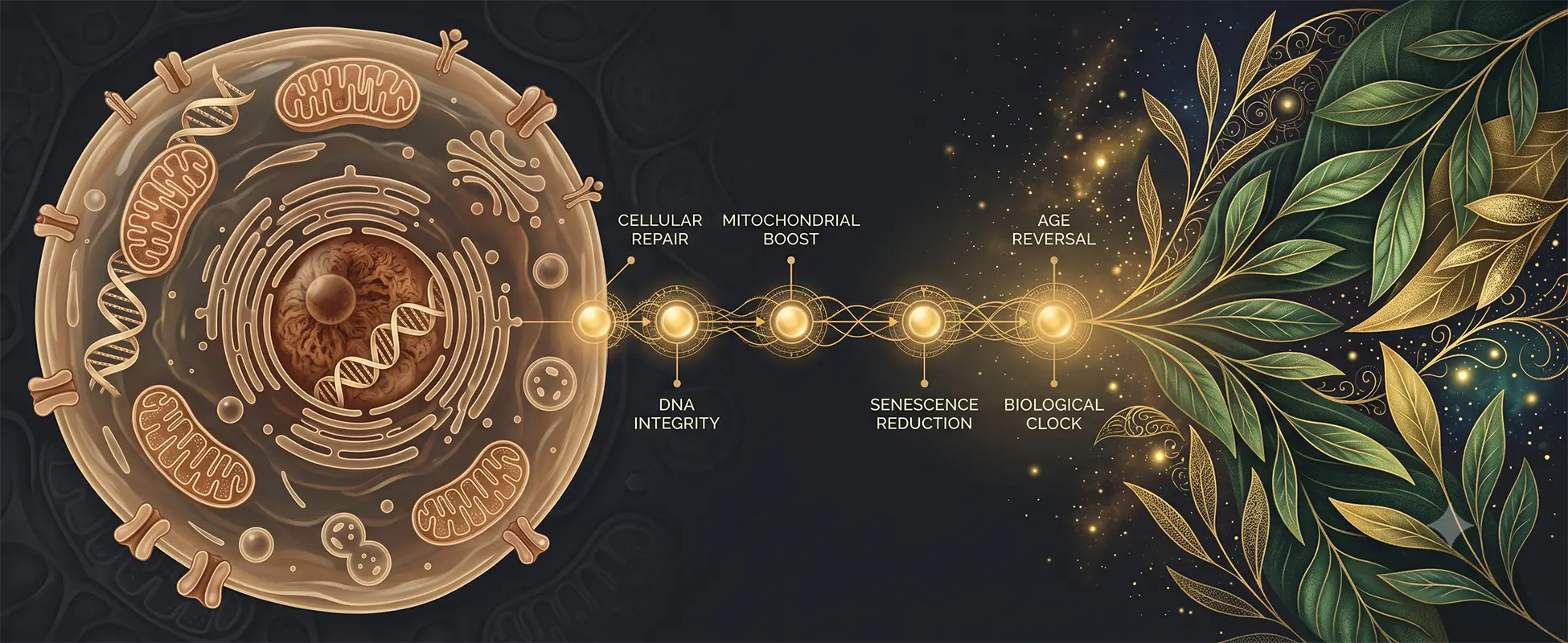
The hallmarks of ageing are the cellular and molecular processes that drive biological ageing...
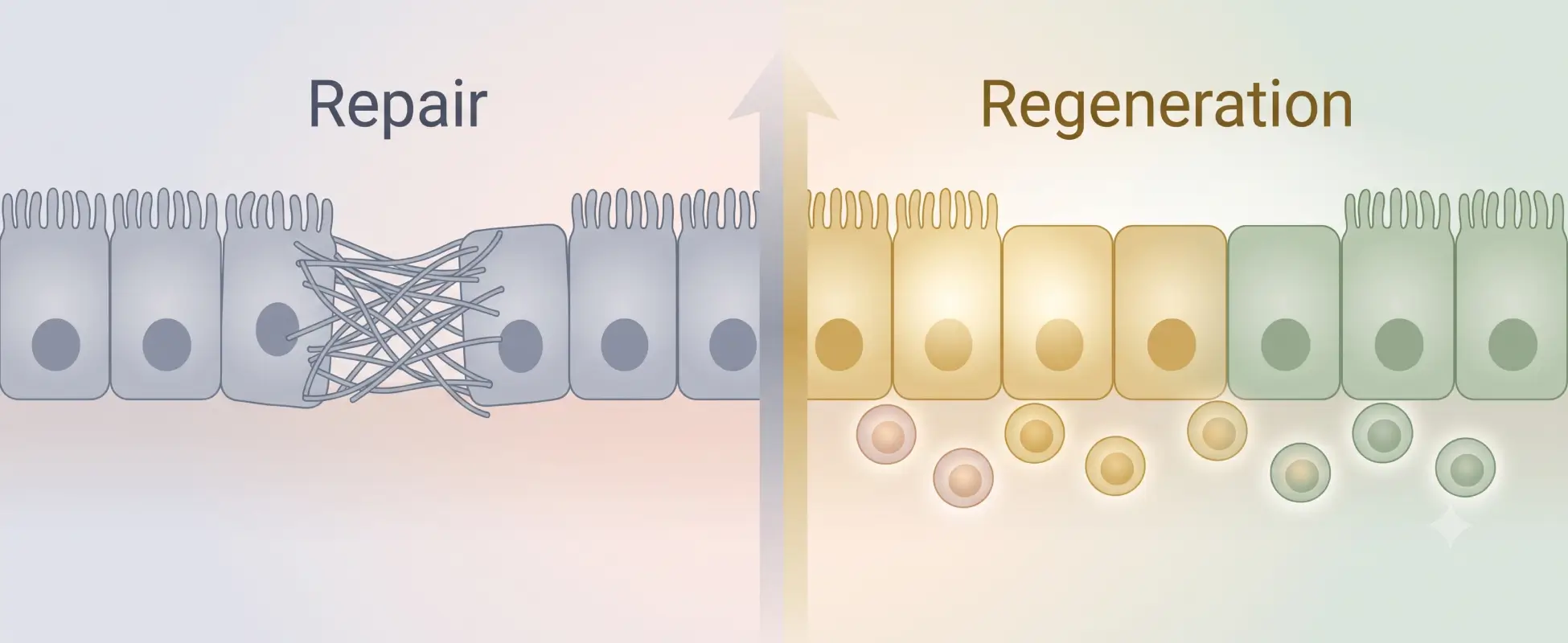
Repair is the body's emergency response — it seals damage with collagen scar tissue that never regains original function.
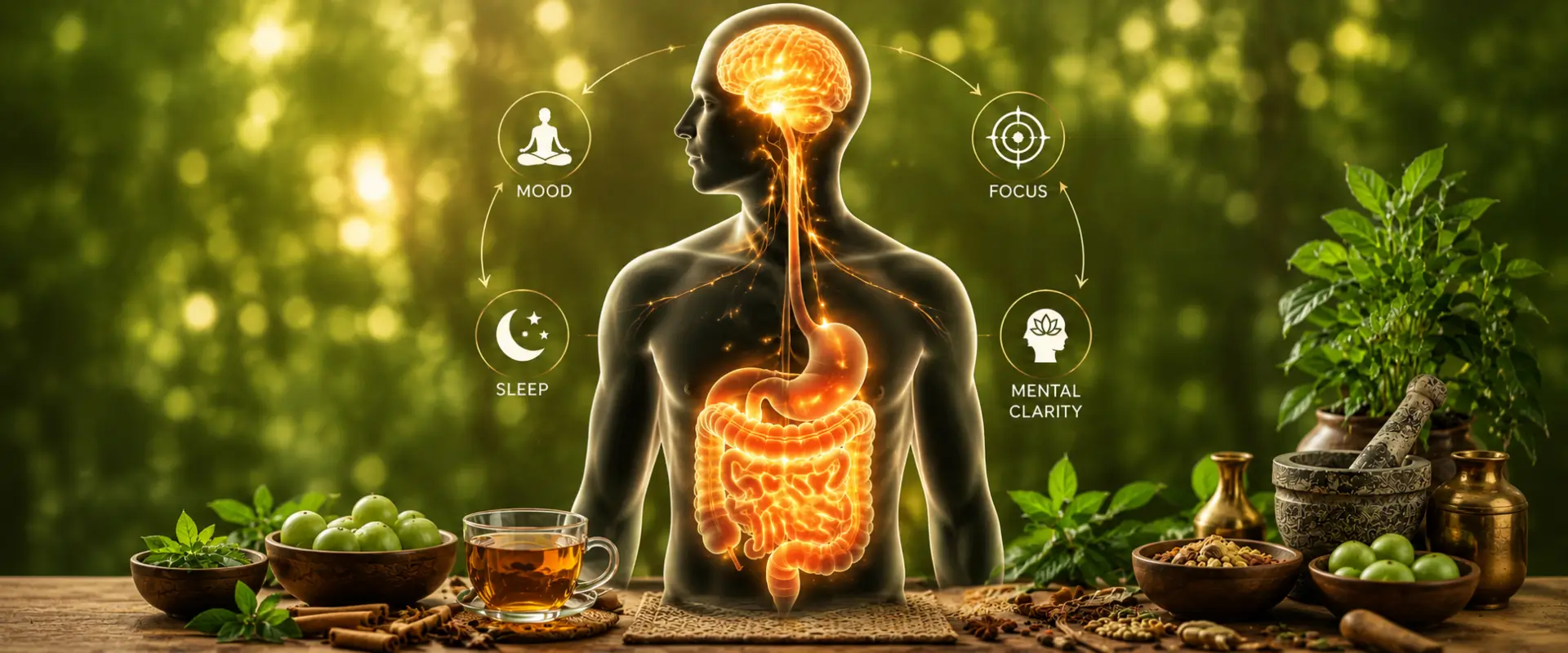
You have felt it, even if you never named it. The knot in your stomach before a difficult conversation. The way anxiety travels straight to your abdomen.

Insulin resistance is a state in which the body’s cells respond less efficiently to insulin, the hormone that moves glucose out of the bloodstream and into cells for energy.