Autophagy: The Cellular Recycling System Redefining Healthy Ageing
Autophagy is the body’s cellular recycling system. Cells identify damaged proteins and dysfunctional mitochondria, break them down, and reuse the components. Researchers now consider impaired autophagy one of the major hallmarks of ageing, which is why cellular renewal has become central to regenerative wellbeing programmes in India.
For decades, ageing was considered inevitable. Today, regenerative medicine is changing that narrative.
What is autophagy?
Autophagy literally means self-eating. It is the body’s internal recycling system: cells identify damaged proteins, dysfunctional mitochondria, and unnecessary cellular components and transport them to lysosomes for degradation and recycling. When autophagy functions efficiently, cells maintain their integrity. When it declines, biological ageing accelerates.
Scientists no longer define ageing simply as the passage of time. Instead, they describe it as the gradual accumulation of cellular damage. Mitochondria become less efficient, proteins become misfolded, inflammatory signals increase, and cells lose their ability to repair themselves. One of the most important biological mechanisms responsible for slowing this process is autophagy.
Autophagy sits alongside, but is not identical to, the broader processes of repair and regeneration. If that distinction matters to you, our explainer on the difference between cellular repair and regeneration sets the two apart.
How does impaired autophagy accelerate ageing?
Researchers now consider impaired autophagy one of the major hallmarks of ageing. Studies suggest that reduced autophagic activity contributes to neurodegenerative disorders, metabolic disease, cardiovascular disease, and declining immune function. As recycling slows, damaged components accumulate inside the cell, and the tissues built from those cells lose function earlier than they otherwise would.
Autophagy research has moved quickly, and by 2026 it sits close to the centre of mainstream ageing biology rather than at its edges.
Why does cellular repair decline after 30?
Most physiological systems begin to decline between the ages of 25 and 35. However, symptoms often remain invisible for another decade. Fatigue, poor sleep, reduced recovery, declining muscle mass, weight gain, and reduced resilience are frequently interpreted as inevitable consequences of age. Biologically, they are often signs of declining cellular repair.
That gap between when repair slows and when it is noticed is the window most worth acting in. Our guide to improving cellular health naturally covers the everyday inputs that matter most during it.
Which lifestyle interventions support autophagy?
Research suggests that several interventions can influence autophagy. None is a treatment, and none works on its own — each is an input into the same underlying system.
- Exercise
- Calorie restriction
- Intermittent fasting
- Sleep optimisation
- Nutrient-dense diets
- Stress reduction
Fasting and calorie restriction in particular are not appropriate for everyone. Anyone who is pregnant, underweight, or managing a diagnosed condition should approach them only under qualified medical supervision.
Importantly, no single intervention works in isolation. Regenerative wellbeing combines multiple biological inputs to create an environment in which repair mechanisms can function more effectively. Sleep is the input most often deprioritised and most quickly felt — the sleep optimisation programme at Swastik Wellbeing Sanctuary addresses circadian rhythm, evening routine and stress load together rather than in isolation.
Why combined inputs outperform single interventions
Cellular repair responds to the overall environment a body is in, not to one variable. Adding an exercise routine to broken sleep and chronic stress leaves two of the three inputs working against the third. This is the reasoning behind residential programme design, and it is explored further in the science of not getting old.
The regenerative wellbeing perspective on cellular renewal
Traditional wellness often focuses on relaxation. Regenerative wellbeing focuses on restoring the body’s capacity to repair itself. Swastik Wellbeing Sanctuary is a regenerative wellbeing sanctuary in Khadakwasla, Pune, set across 51 acres, where more than 60 Masters deliver over 210 therapies across 17 wellness programmes.
At Swastik Wellbeing Sanctuary, cellular vitality extends beyond anti-ageing. It involves personalised assessments, therapeutic interventions, nutrition, movement, sleep, and stress modulation designed to support long-term biological resilience. The cellular vitality and longevity programme brings those elements into a single residential structure.
The goal isn’t simply to extend lifespan. The goal is to extend healthspan.
Scientific sources
- Autophagy and the hallmarks of ageing. Ageing Research Reviews. PubMed 34563704
- Molecular and biological hallmarks of ageing. British Journal of Surgery. PubMed 26771470
- Autophagy in ageing and longevity. Human Genetics. PubMed 31144030
Frequently Asked Questions
What is autophagy in simple terms?
Autophagy is the body’s internal recycling system. Cells identify damaged proteins, worn-out mitochondria and components they no longer need, then transport them to lysosomes to be broken down and reused. The term translates as self-eating. When the process runs efficiently, cells maintain their integrity; when it declines, biological ageing tends to accelerate.
Can fasting increase autophagy?
Research suggests intermittent fasting and calorie restriction are among the interventions that can influence autophagy. The effect varies with duration, individual metabolism and overall health. Fasting is not suitable for everyone. Anyone who is pregnant, underweight, or managing a diagnosed condition should only fast under qualified medical supervision rather than following a self-directed protocol.
Does exercise stimulate autophagy?
Exercise appears on the short list of interventions research associates with autophagic activity, alongside calorie restriction, sleep and nutrient-dense eating. No single input works in isolation. A structured programme combining movement, nutrition, sleep and stress modulation creates conditions in which cellular repair mechanisms can function more effectively than any one intervention would on its own.
Is autophagy the same as anti-ageing?
No. Autophagy is a biological housekeeping process, not a treatment or a result. Supporting it is about maintaining the body’s own repair capacity rather than undoing age. The distinction matters, because the realistic goal is healthspan — the years lived in good function — rather than a promise to slow or reverse ageing itself.
How does sleep affect cellular repair?
Sleep is one of the intervention categories research links to autophagic activity, and disturbed sleep is also among the earliest felt signs of declining cellular repair. Consistent, sufficient sleep supports the overnight window in which much restorative activity takes place, which is why it is treated as a structural input rather than an afterthought in regenerative programme design.
How can a wellness retreat support cellular renewal?
A residential setting removes the friction that usually stops lifestyle changes from holding. Meals, movement, sleep timing and stress load are handled in one place rather than negotiated daily. At Swastik Wellbeing Sanctuary in Khadakwasla, Pune, the cellular vitality and longevity programme combines assessment, therapy, nutrition and rest instead of addressing any one of them alone.
Where is Swastik Wellbeing Sanctuary located?
Swastik Wellbeing Sanctuary is in Peacock Valley, Khadakwasla, Pune, Maharashtra, set across 51 acres. It is within driving distance of both Pune and Mumbai, which makes it practical for residential stays. To check dates and programme suitability, contact the Swastik team on +919240252132 or at info@swastikwellbeing.com.
About Dr. Shanthi Ganga
Designation: Senior Ayurvedic Physician
Qualification: BAMS (Bachelor of Ayurvedic Medicine and Surgery)
Experience: 17+ Years
Specialisation: Panchakarma, Lifestyle Disease Management, Pain Management, Autoimmune Disorders, Integrative Lifestyle Medicine, Clinical Nutrition
Dr. Shanthi Ganga is a Senior Ayurvedic Physician with over 17 years of clinical experience in Ayurveda. She specialises in Panchakarma, chronic ailments, autoimmune disorders, pain management and lifestyle disease management. With advanced qualifications in Stree Ayurveda, Herbal Cosmetology, Clinical Nutrition, Sports Nutrition and Integrative Lifestyle Medicine, along with teaching experience at 1000 Yoga, Bengaluru, she combines classical Ayurvedic wisdom with modern preventive healthcare to deliver personalised, evidence-informed wellness solutions.
Related Blogs
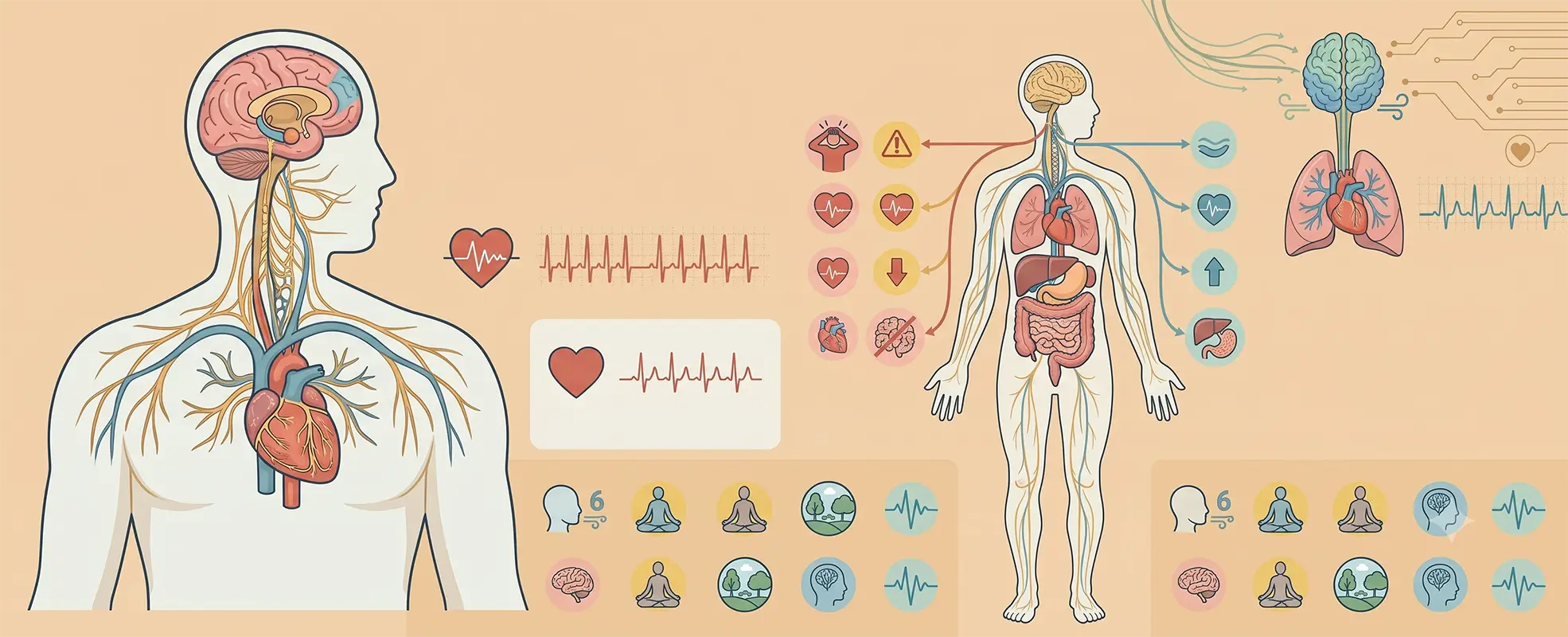
The vagus nerve is the main nerve of the parasympathetic nervous system, forming a two-way communication line between the brain and the heart, lungs and digestive tract.
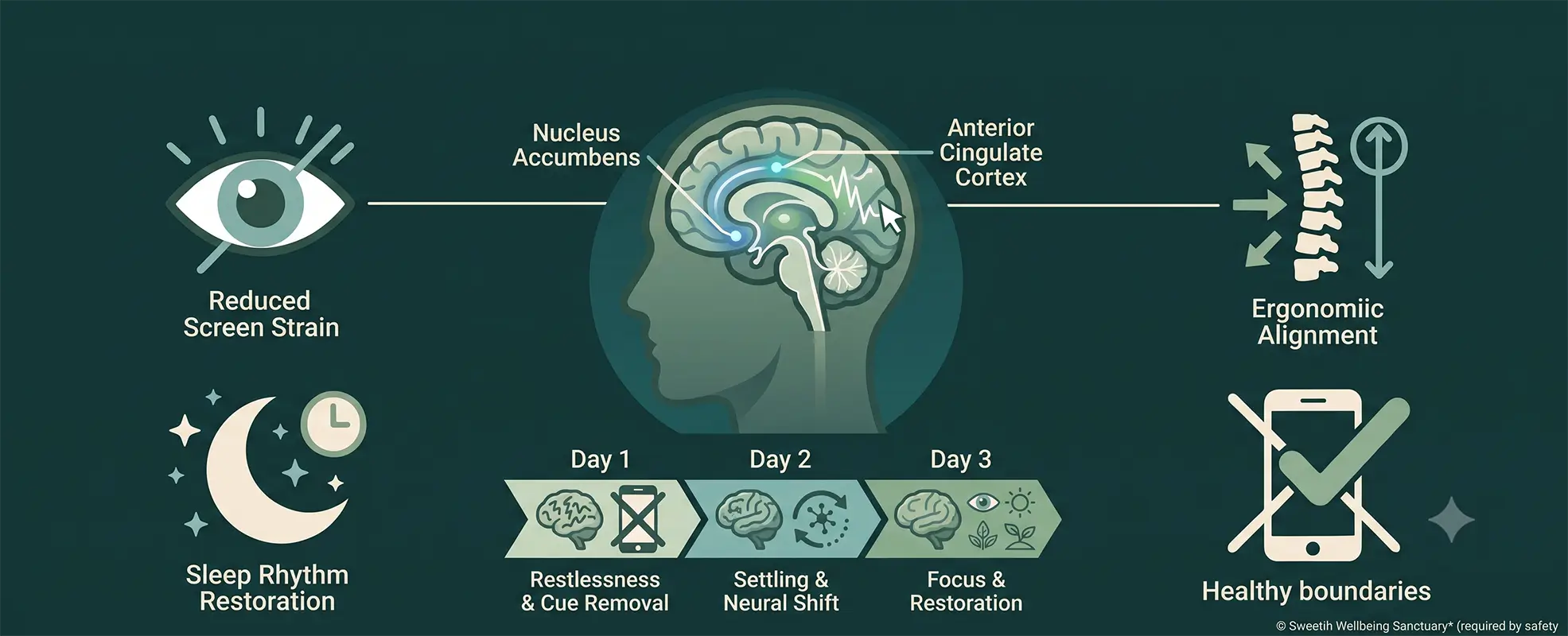
A 72-hour digital detox is a three-day period in which smartphone use is cut back to essentials, with recreational scrolling removed entirely
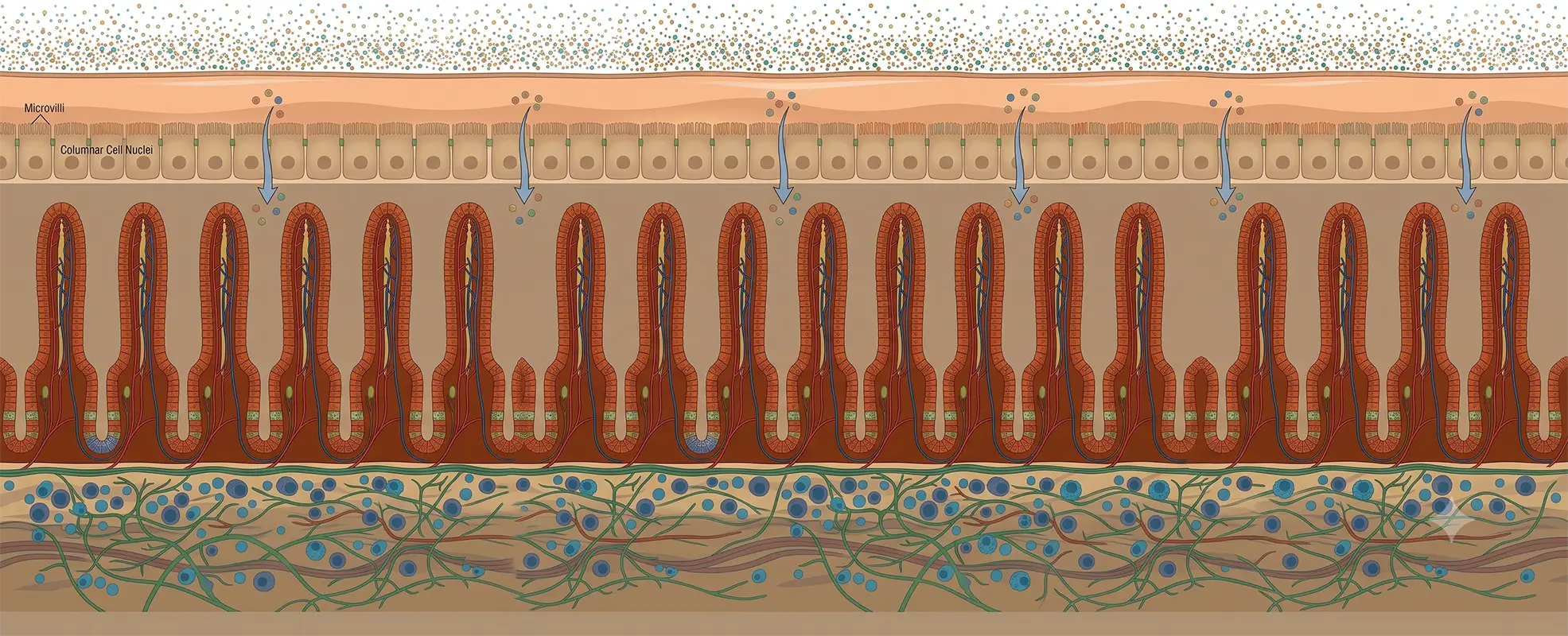
The intestinal epithelium is the most rapidly renewing tissue in the human body, and gut lining regeneration replaces the entire lining
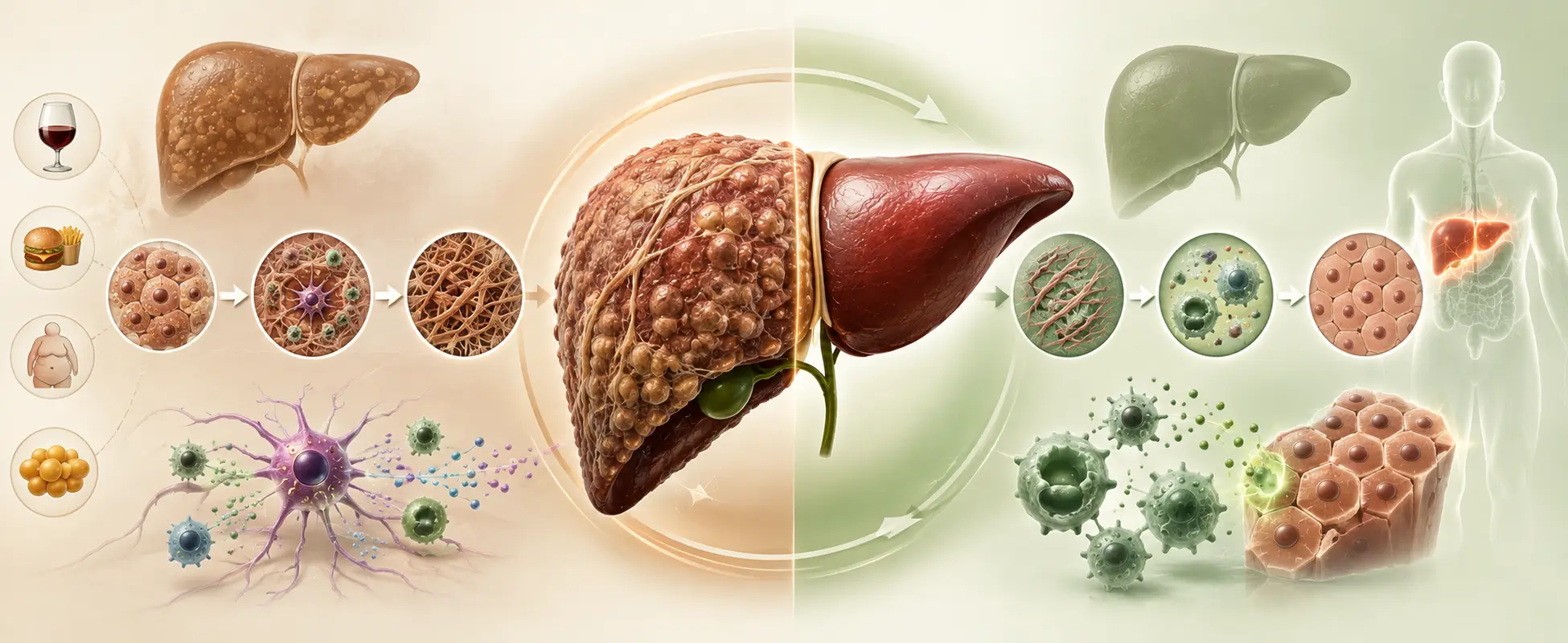
The liver is the only internal human organ capable of substantial regeneration after significant tissue loss.
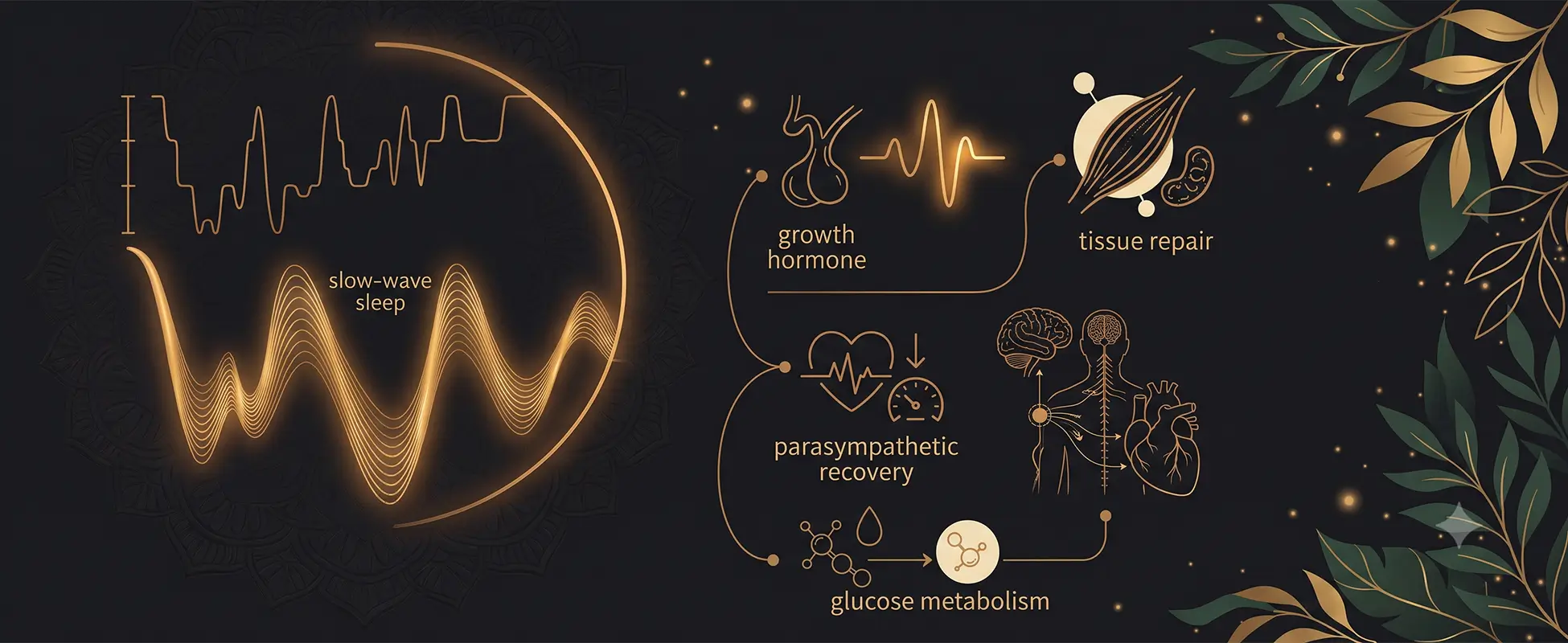
Sleep optimisation is the practice of protecting sleep architecture - the proportion of deep and REM sleep...
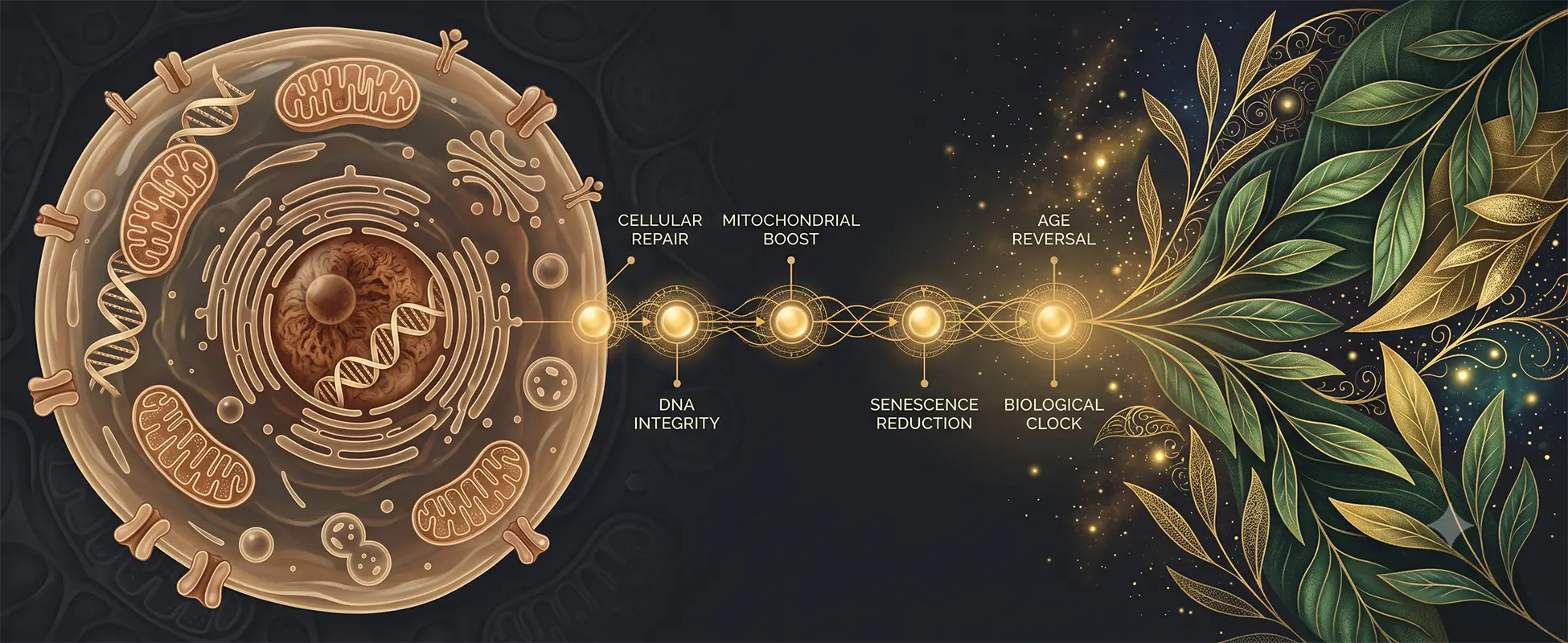
The hallmarks of ageing are the cellular and molecular processes that drive biological ageing...
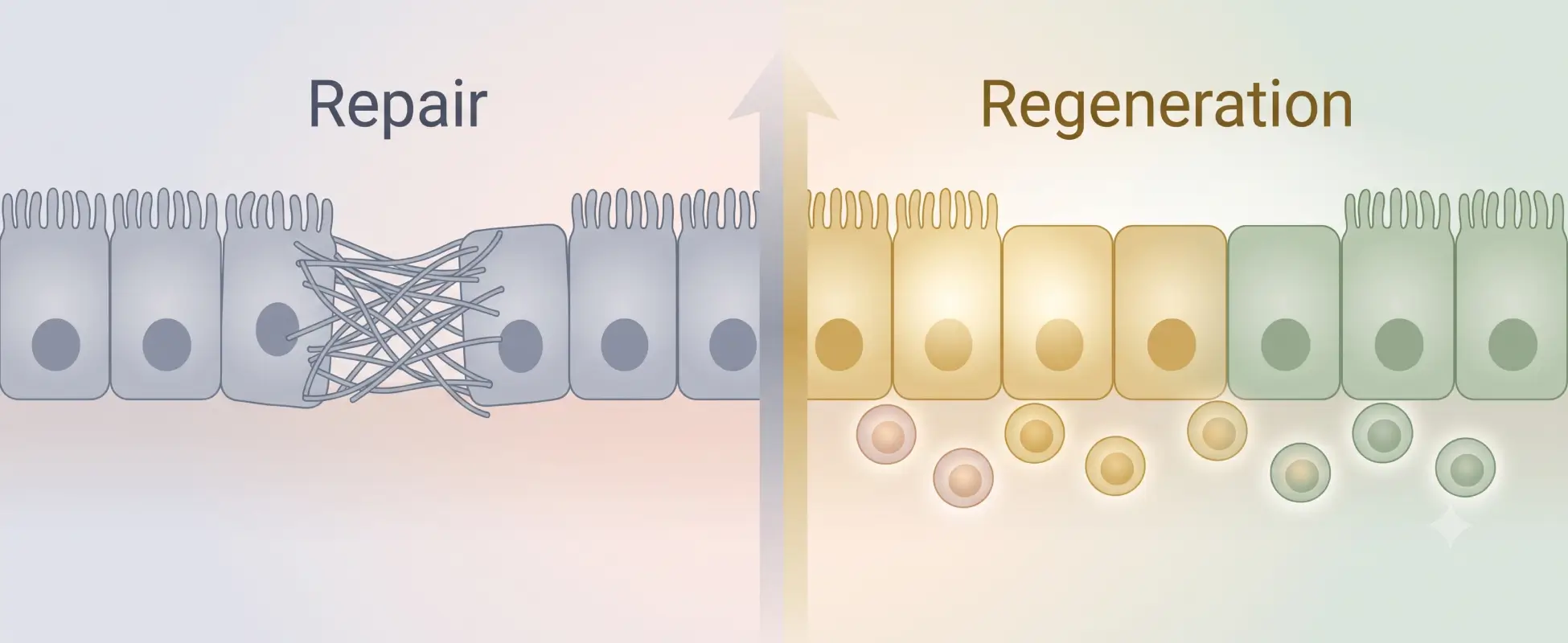
Repair is the body's emergency response — it seals damage with collagen scar tissue that never regains original function.
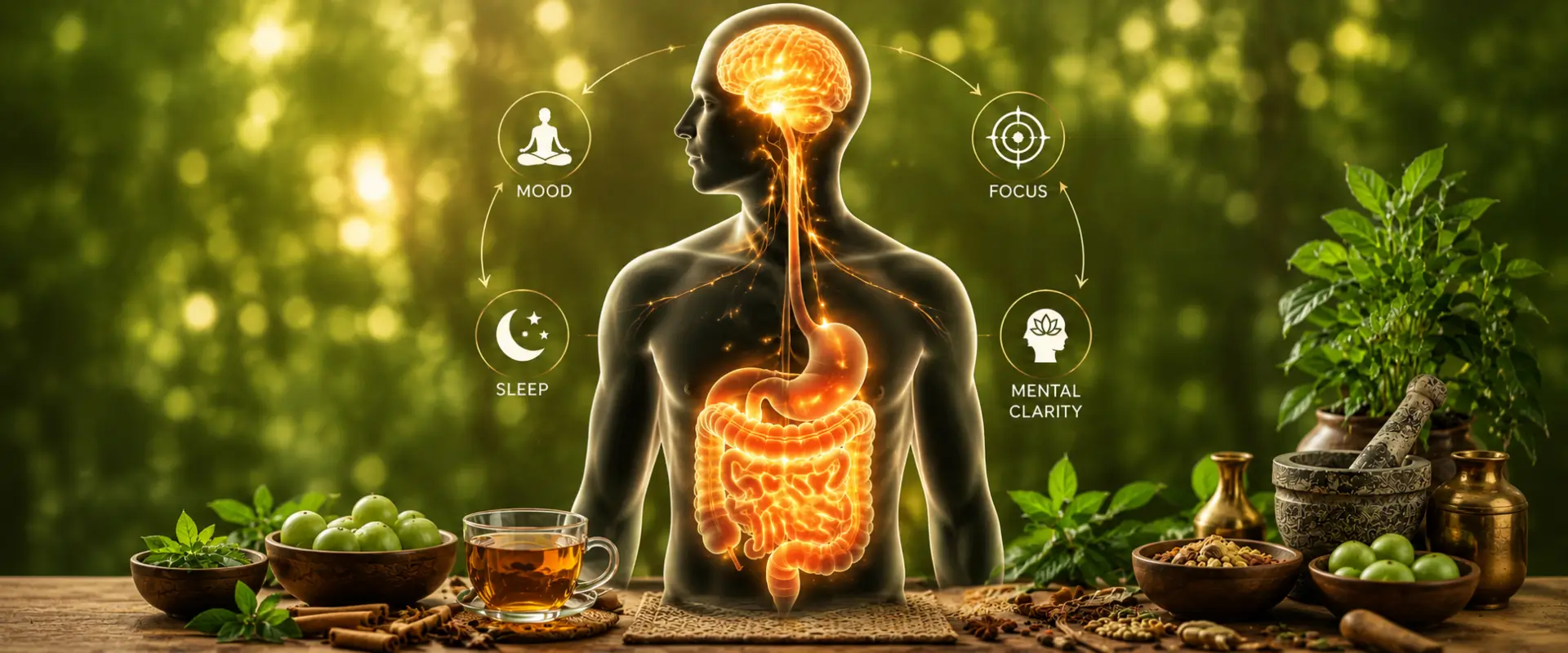
You have felt it, even if you never named it. The knot in your stomach before a difficult conversation. The way anxiety travels straight to your abdomen.

Insulin resistance is a state in which the body’s cells respond less efficiently to insulin, the hormone that moves glucose out of the bloodstream and into cells for energy.