
The 12 Hallmarks of Ageing: The Science of Cellular Vitality
The hallmarks of ageing are the cellular and molecular processes that drive biological ageing — twelve of them, as defined by the landmark research of López-Otín and colleagues. Understanding these hallmarks reframes wellbeing around measurable biology rather than symptom management, and explains why a genuinely regenerative programme has to work across several processes at once.
For decades, modern wellness was defined by managing symptoms and slowing physical decline. Today, the clinical paradigm has shifted toward regenerative wellness. We are no longer simply trying to patch damaged tissue; we are working at the molecular level on the processes that determine biological age itself — a shift that turns on the difference between cellular repair and regeneration.
Ageing is not merely the passage of time. It reflects how well the body maintains its own function. Chronological age counts the years lived; biological age reflects the actual condition of cells, tissues and organs — and the two can diverge substantially between two people born in the same year. Advances in epigenetic clocks and cellular biomarker models have made this divergence measurable, opening genuine possibilities for personalised, preventive intervention.
The framework underpinning all of this comes from one of the most influential papers in modern biology. In 2013, López-Otín and colleagues published “The Hallmarks of Aging” in Cell, proposing nine cellular and molecular drivers of the ageing process. A decade of subsequent research both confirmed those nine and revealed more. In January 2023, the same team published an updated review — “Hallmarks of Aging: An Expanding Universe” — proposing twelve.
What Are the Twelve Hallmarks of Ageing?
The twelve hallmarks of ageing are the interconnected biological processes that together drive the decline we associate with growing older. To qualify as a hallmark, a process must satisfy three criteria: it must manifest with age; experimentally accentuating it must accelerate ageing; and therapeutically targeting it must decelerate, halt or reverse ageing. The twelve identified in the 2023 review are:
- Genomic instability — the accumulation of DNA damage across the lifespan
- Telomere attrition — the progressive shortening of chromosomal end-caps with each cell division
- Epigenetic alterations — changes in DNA methylation and chromatin architecture that alter gene expression without altering the code
- Loss of proteostasis — the failure of protein folding, chaperoning and clearance systems
- Disabled macroautophagy — the decline of the cell’s own recycling machinery
- Deregulated nutrient-sensing — dysfunction in the insulin/IGF-1, mTOR, AMPK and sirtuin signalling networks
- Mitochondrial dysfunction — declining energy output and rising oxidative stress
- Cellular senescence — the accumulation of cells in permanent growth arrest
- Stem cell exhaustion — the depletion of the body’s regenerative reserve
- Altered intercellular communication — breakdown in the signalling between cells and tissues
- Chronic inflammation — persistent low-grade inflammatory activation, often termed inflammaging
- Dysbiosis — disruption of the microbial communities the body depends on
These are not independent. They are deeply interconnected, and intervening on one frequently influences several others. This interconnection is the reason a genuinely regenerative programme addresses multiple hallmarks simultaneously rather than targeting a single pathway in isolation.
1. Cellular Senescence and the SASP
Cellular senescence is a state of permanent cell-cycle arrest that a cell enters when DNA damage exceeds its capacity to repair. Throughout daily life, cells experience constant stress — from environmental pollutants, ultraviolet radiation, metabolic byproducts and the ordinary errors of replication — and when that damage becomes too great, the cell stops dividing for good.
The protective trade-off
Senescence exists for a reason. It is a tumour-suppressive mechanism: a cell carrying dangerous mutations that can no longer divide cannot become a cancer. In youth, senescent cells are efficiently cleared by the immune system. The problem is not that senescence occurs — it is that with age, clearance slows and these cells accumulate.
The Senescence-Associated Secretory Phenotype
Senescent cells are not inert. They actively secrete a complex mixture of pro-inflammatory cytokines, chemokines, growth factors and matrix-degrading proteases, collectively termed the SASP. Through this secretome, a relatively small number of senescent cells can drive dysfunction in the healthy tissue around them — a paracrine effect sometimes described as the bystander phenomenon.
Why this matters clinically
The SASP is now understood as a significant contributor to chronic low-grade inflammation, itself one of the twelve hallmarks. This creates a self-reinforcing cycle: senescent cells drive inflammation, inflammation accelerates further senescence, and tissue function progressively declines.
Therapeutic approaches under investigation
Two classes of intervention are under active investigation. Senolytics selectively clear senescent cells by triggering apoptosis in them specifically. Senomorphics suppress the SASP without killing the cell. Both remain areas of ongoing clinical research rather than established standard-of-care therapy, and any responsible programme should describe them as such.
2. Stem Cell Exhaustion and the Regenerative Reserve
Stem cell exhaustion is the age-related depletion of the body’s regenerative reserve. Stem cells are the biological foundation of tissue maintenance and repair: every tissue that renews itself — skin, blood, gut lining, muscle — depends on a resident stem cell population capable of both self-renewal and differentiation into functional cells.
The decline is not only in the cells
Ageing affects stem cell function through two routes: intrinsic changes within the stem cells themselves, and deterioration of the niche — the local microenvironment that regulates them. The niche becomes more fibrotic, more inflamed, and less able to deliver the signals that maintain stem cell function.
The senescence connection
Chronic SASP exposure from neighbouring senescent cells is one of the mechanisms by which the niche degrades. This is a clear illustration of how hallmarks interact: senescence in one cell population impairs the regenerative capacity of another.
Extracellular vesicles and paracrine signalling
A substantial body of research now suggests that much of the regenerative benefit historically attributed to stem cells themselves may be mediated through their secreted extracellular vesicles — including exosomes — which carry bioactive lipids, proteins and microRNAs. This remains an active research field. In India it is important to note that cell-based and exosome-based therapies are subject to specific regulatory frameworks, and a great deal of what is marketed commercially in this space is not approved standard of care.
3. Autophagy: How Does the Cell Recycle Itself?
Autophagy — literally “self-eating” — is the process by which cells sequester damaged organelles, misfolded protein aggregates and surplus lipids into double-membraned vesicles called autophagosomes, then fuse these with lysosomes to degrade and recycle the component parts. Disabled macroautophagy was formally added to the hallmarks framework in the 2023 update, reflecting how central it has become to our understanding of ageing.
Nutrient sensing controls the switch
Autophagy is regulated principally by the mTORC1 kinase complex, the cell’s nutrient sensor. When nutrients are abundant, mTORC1 is active and suppresses autophagy. When nutrients are scarce, mTORC1 activity falls and autophagy is initiated. This is the mechanistic basis for why fasting and fasting-mimicking protocols are of such interest in regenerative medicine, and it sits behind several evidence-based ways to improve cellular health naturally.
Selective forms matter too
Mitophagy — the selective autophagy of damaged mitochondria — is a particular focus, because it directly links two hallmarks: the clearance system and mitochondrial quality control.
Why declining autophagy accelerates ageing
When autophagic flux slows, damaged components accumulate rather than being recycled. Protein aggregates build up, dysfunctional mitochondria persist, and cellular quality control progressively degrades. Maintaining robust autophagy is one of the most consistently supported interventions across the ageing literature.
4. Mitochondrial Dysfunction and Cellular Energy
Mitochondria are responsible for the majority of cellular ATP production, but their role extends well beyond energy. They regulate redox balance, calcium signalling, apoptotic decisions and a range of biosynthetic pathways. As they falter with age, cellular energy and resilience fall with them.
Dynamics shift with age
Mitochondria continuously undergo fusion and fission, and this balance is essential to their quality control. With advancing biological age, the balance tends to shift toward excessive fission, producing fragmented networks with diminished respiratory efficiency.
The oxidative stress relationship is more nuanced than commonly presented
Dysfunctional mitochondria generate elevated reactive oxygen species, which cause further damage — including to mitochondrial DNA itself. However, the older “free radical theory” framing has been substantially revised: low levels of ROS act as important signalling molecules, and indiscriminate antioxidant supplementation has not reliably delivered the benefits once predicted.
Practical levers
Exercise remains the single best-evidenced intervention for mitochondrial biogenesis and quality control, acting largely through AMPK and PGC-1α signalling. Caloric restriction and time-restricted feeding influence the same pathways. Mitochondrial transplantation is an emerging experimental field, not a clinically established intervention.
5. The NAD+ and Sirtuin Axis
Sirtuins are a family of NAD+-dependent deacetylase enzymes that regulate cellular stress response, metabolic adaptation and epigenetic stability. They sit at the intersection of several hallmarks — nutrient sensing, epigenetic alteration and mitochondrial function — which is part of why they feature so heavily in the science of healthy ageing.
The dependency creates the vulnerability
Because sirtuins consume NAD+ as a co-substrate, their activity is directly constrained by NAD+ availability. Tissue NAD+ levels decline with age across multiple species, which correspondingly reduces sirtuin activity.
Precursor supplementation
Nicotinamide mononucleotide (NMN) and nicotinamide riboside (NR) have been investigated as means of restoring NAD+ pools. Human trials have shown these compounds can raise circulating NAD+ levels; whether that biochemical effect translates into meaningful clinical outcomes is a more open question and remains an active area of study. Any claim in this area should be stated with appropriate caution.
What Does This Mean for a Regenerative Programme?
The clinical value of the hallmarks framework is that it moves the conversation from vague notions of “anti-ageing” to specific, measurable biological processes. It also explains why isolated interventions rarely produce durable results: the hallmarks are interconnected, and addressing one while ignoring the others has limited effect.
Swastik Wellbeing Sanctuary in Khadakwasla, Pune is a regenerative wellbeing sanctuary that integrates ancient healing traditions with modern science to support the body’s natural capacity to heal and regenerate. Its cellular vitality and longevity programme is built on this science, working across several hallmarks at once — supporting autophagic flux through structured nutritional protocols, driving mitochondrial adaptation through appropriately prescribed physical loading, addressing chronic inflammation through dietary and lifestyle inputs, and supporting the microbiome through gut and digestive balance as a distinct hallmark in its own right.
Crucially, it measures. Objective assessments such as HRV and biomarker tracking — alongside body composition, inflammatory markers, metabolic panels and functional capacity — provide the objective evidence that the interventions are producing change, rather than relying on how a guest feels at the end of a stay.
Frequently Asked Questions
What are the hallmarks of ageing?
The hallmarks of ageing are the core biological processes that drive ageing at the cellular and molecular level. In their 2023 review, López-Otín and colleagues identified twelve — including cellular senescence, mitochondrial dysfunction, stem cell exhaustion and dysbiosis. They are deeply interconnected, which is why a regenerative approach aims to support several of them at once rather than targeting a single pathway.
What is the difference between chronological age and biological age?
Chronological age counts the years since birth, while biological age reflects the actual condition of your cells, tissues and organs. Two people born in the same year can have very different biological ages. Epigenetic clocks and cellular biomarkers now make this difference measurable, which is what allows for personalised, preventive wellbeing rather than a one-size-fits-all approach.
Can the hallmarks of ageing be reversed?
Research into the hallmarks of ageing shows that some underlying processes can be slowed, and in laboratory models sometimes reversed, but reversal cannot be guaranteed in humans. The scientifically grounded goal is to support the body’s own regenerative capacity — improving how well cells function and clear damage — rather than promising to turn back the clock.
What is cellular senescence?
Cellular senescence is a state of permanent cell-cycle arrest that a cell enters when its DNA damage exceeds what it can repair. It evolved as a tumour-suppressive mechanism. The difficulty is that senescent cells accumulate with age and secrete pro-inflammatory signals — the SASP — which drive inflammation in surrounding healthy tissue and accelerate further ageing.
Why is autophagy important for healthy ageing?
Autophagy is the cell’s recycling system, clearing damaged proteins and organelles so their components can be reused. It is controlled by nutrient-sensing pathways, which is why fasting and fasting-mimicking protocols are of such interest in regenerative medicine. When autophagy slows with age, damaged material accumulates, so maintaining it is one of the best-supported levers in the ageing literature.
How is biological ageing measured?
Biological ageing is assessed through a combination of measures rather than a single test — these can include epigenetic clocks, inflammatory markers, metabolic panels, body composition and functional capacity such as strength and cardiovascular fitness. Tracking these over time shows whether an intervention is producing change, which is why objective measurement is central to any credible regenerative approach.
Does Swastik Wellbeing Sanctuary offer a longevity programme?
Swastik Wellbeing Sanctuary in Khadakwasla, Pune offers a longevity programme rooted in cellular vitality that works across several hallmarks of ageing at once — supporting autophagy through structured nutrition, mitochondrial function through prescribed movement, and lower inflammation through lifestyle change, alongside objective measurement. It is designed to support the body’s natural capacity to regenerate rather than to promise a fixed outcome.
About Dr. Shanthi Ganga
Designation: Senior Ayurvedic Physician
Qualification: BAMS (Bachelor of Ayurvedic Medicine and Surgery)
Experience: 17+ Years
Specialisation: Panchakarma, Lifestyle Disease Management, Pain Management, Autoimmune Disorders, Integrative Lifestyle Medicine, Clinical Nutrition
Dr. Shanthi Ganga is a Senior Ayurvedic Physician with over 17 years of clinical experience in Ayurveda. She specialises in Panchakarma, chronic ailments, autoimmune disorders, pain management and lifestyle disease management. With advanced qualifications in Stree Ayurveda, Herbal Cosmetology, Clinical Nutrition, Sports Nutrition and Integrative Lifestyle Medicine, along with teaching experience at 1000 Yoga, Bengaluru, she combines classical Ayurvedic wisdom with modern preventive healthcare to deliver personalised, evidence-informed wellness solutions.
Related Blogs

Rasayana therapy is the branch of Ayurveda devoted to rejuvenation, using diet, herbs, daily conduct and rest to nourish the tissues, usually after purification.

A Diwali detox is a short, gentle reset of simple meals, hydration, sleep and movement that helps the body recover from festive excess, without juice cleanses or extreme fasting.

Preventive health aims to stop or catch disease early, longevity aims to extend healthspan, and regenerative wellness aims to restore the body's capacity to repair and recover.

Regenerative wellbeing is an approach to health that works to restore the body's own capacity to repair, renew and adapt, instead of only relieving symptoms or lowering future risk.

Sardinemaxxing is the practice of deliberately eating sardines far more often than usual, sometimes daily and sometimes exclusively, to capture their omega-3s.

Financial wellbeing is not simply about having more money. It is about having a sense of security, control, resilience and confidence around your financial life.

The vagus nerve is the main nerve of the parasympathetic nervous system, forming a two-way communication line between the brain and the heart, lungs and digestive tract.
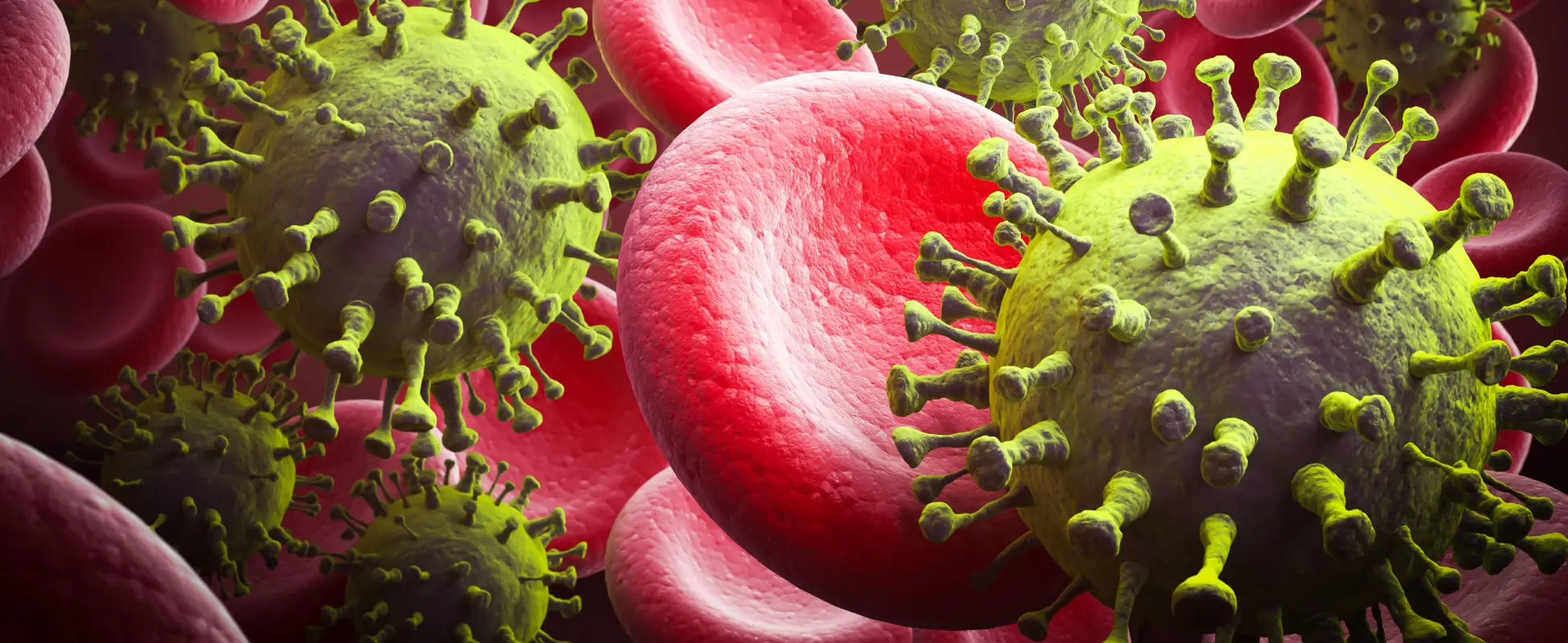
Autophagy is the body's cellular recycling system. Cells identify damaged proteins and dysfunctional mitochondria, break them down, and reuse the components.

A 72-hour digital detox is a three-day period in which smartphone use is cut back to essentials, with recreational scrolling removed entirely