
The Healing Power of Yoga and Meditation: Benefits for Body, Mind and Sleep
“Yoga is the journey of the self, through the self, to the self,” says the Bhagavad Gita — a reminder that this ancient practice was never only about the body.
Imagine starting your day with gentle stretches that awaken your body and mind, followed by a few minutes of stillness that allow your thoughts to settle. Yoga and meditation are not just routines; they are complementary journeys that can lead to profound healing and growth. While often mentioned in the same breath, each offers distinct benefits for your body and mind — and practised together, they multiply. This guide explains what each practice really is, how they differ, and the evidence-informed benefits of yoga and meditation for stress, sleep, focus and long-term wellbeing.
Yoga Beyond the Basics
Yoga, derived from the Sanskrit word meaning “union,” signifies the union of body, breath and mind — and, in its deeper sense, of the individual self with the universal. Originating in ancient India, yoga is a holistic discipline that combines physical, mental and spiritual practices. Three limbs form the core of most modern practice:
- Asanas: the physical postures that build strength, flexibility and balance while releasing stored tension from the body.
- Pranayama: breath-control techniques that improve respiratory efficiency and directly calm the nervous system.
- Dhyana: meditative absorption — the quiet, focused awareness that asanas and pranayama prepare you for.
Though often associated with physical fitness, yoga is much more than exercise. It is a way of life that fosters the unity of mind, body and spirit — which is why it pairs so naturally with meditation.
How Is Meditation Different from Yoga?
Meditation is the mental discipline at the heart of yoga, but it can also stand alone. Rather than moving the body, meditation trains the mind — focusing attention, observing thoughts without judgement, or resting in stillness. It is not simply “sitting quietly”; it is a structured practice that, over time, changes how your mind responds to stress and discomfort.
The simplest way to remember the difference: yoga prepares the body and breath; meditation trains the mind. Yoga works from the outside in, meditation from the inside out — and the two meet in the middle, in a calm, regulated nervous system.
The Benefits of Yoga and Meditation: Your Path to Healing
Both yoga and meditation have been practised for centuries, and modern research — summarised by bodies such as the U.S. National Center for Complementary and Integrative Health — continues to confirm their benefits for stress, sleep, pain and emotional health. Practised together, they amplify each other’s effects. Here is how:
1. The Ultimate Stress Buster
Yoga combines postures, controlled breathing and focused attention to calm the nervous system and lower stress hormones such as cortisol. Meditation — especially mindfulness — trains your mind to stay present and release worry. Together they address stress on both the physical and mental levels. If chronic tension is your starting point, our Stress and Emotional Balance programme builds a structured practice around exactly this, and you can read more about the mechanism in how meditation lowers cortisol and slows ageing.
2. Sleep Like a Baby
Yoga’s gentle stretches ease muscle tension and improve circulation, while meditation quiets the racing mind that keeps you awake. Practised regularly, the pair reduces stress arousal, helps combat insomnia and leads to deeper, more restorative sleep. Guests who arrive exhausted often begin with our Sleep Optimisation programme, where yoga, meditation and Ayurvedic routines are combined to reset the sleep cycle naturally.
3. Bend Your Body, Untangle Your Mind
Asanas target different muscle groups, enhancing flexibility, strength and range of motion. Meditation strengthens the mind the same way — building resilience, clarity and the capacity to stay steady under pressure. One practice conditions the body, the other conditions the mind, and each makes the other easier.
4. Silence the Chatter
Yoga and meditation train attention. By practising mindfulness on the mat and in stillness, you strengthen your ability to focus on tasks in every area of life — from deep work to daily chores. Many of our corporate guests report that this improved concentration is the first benefit they notice.
5. A Mirror to Your Soul
Meditation encourages you to look inward, building genuine self-awareness. You begin to understand your emotions and behaviours rather than being driven by them — the foundation of lasting personal growth and self-improvement.
How to Combine Yoga and Meditation in One Practice
The classical sequence is also the most practical one:
- Begin with asanas (15–30 minutes): gentle movement releases physical restlessness so the body can sit comfortably still.
- Move into pranayama (5–10 minutes): slow, even breathing shifts the nervous system into its rest-and-restore mode.
- Settle into meditation (10–20 minutes): with the body loosened and the breath steady, the mind follows into stillness far more easily.
Consistency matters more than duration. A modest daily practice outperforms an occasional long one — and most people feel calmer and sleep better within a few weeks. We explore the therapeutic side of this sequence in yoga therapy meets meditation for holistic recovery.
Two Practices, One Path to Inner Peace
Yoga and meditation are a perfect pair, each enhancing the benefits of the other. Yoga prepares the body with postures and breathwork, creating a strong foundation for meditation. Meditation then deepens this connection, guiding you into inner peace and awareness. Together, they form a harmonious path to wellbeing — supported by a healthy lifestyle, nourishing food, and professional guidance when needed.
At Swastik, this union has a home. Our meditation and yoga retreat at Dhyan Vihar — a 72-foot column-less dome set in Peacock Valley by Khadakwasla Lake near Pune — was built for exactly this practice, while Anand Vihar hosts restorative Yoga Nidra by the water. Explore our full range of wellness programmes, or speak with our team to plan a stay built around yoga and meditation — and experience these ancient practices where they belong.
Frequently Asked Questions
What is the difference between yoga and meditation?
Yoga is a holistic practice combining physical postures (asanas) and breath control (pranayama) to unite body, breath and mind. Meditation is the mental discipline of focusing or stilling the mind. Meditation is one limb of yoga, but it can also be practised on its own.
Can you do yoga and meditation together?
Yes. Yoga prepares the body and breath, creating a calm, grounded state that makes meditation easier and deeper. Practising them together amplifies stress relief, sleep quality and focus, which is why programmes at Swastik Wellbeing combine both.
What are the benefits of doing yoga and meditation daily?
A daily practice can lower stress hormones, improve sleep, increase flexibility and strength, sharpen focus and build self-awareness. The effects compound over time as the nervous system learns to shift more easily into rest and recovery.
Is yoga or meditation better for stress and anxiety?
Both help. Yoga releases physical tension and regulates breathing, while meditation trains the mind to stay present and let go of worry. Used together, they address stress on both the physical and mental levels — usually more effective than either alone.
How long does it take for yoga and meditation to work?
Many people feel calmer and sleep better within a few weeks of consistent practice, while flexibility, focus and resilience build over months. An immersive retreat can accelerate the shift by removing daily stressors and guiding daily practice.
Sources
National Center for Complementary and Integrative Health — Yoga: What You Need to Know
National Center for Complementary and Integrative Health — Meditation and Mindfulness
About Dr. Nitin
Designation: Consultant – Naturopathy & Acupuncture
Qualification: CCIM – NIMHANS Certified
Experience: 4+ Years
Specialisation: Naturopathy, Acupuncture, Holistic Healing, Integrative Therapies, Personalised Wellness Programmes
Dr. Nitin is a Naturopathy Physician and certified Acupuncturist with over 4 years of clinical and wellness experience. His expertise lies in holistic healing, integrative therapies, and personalised wellness programmes that promote long-term health and vitality.
Related Blogs
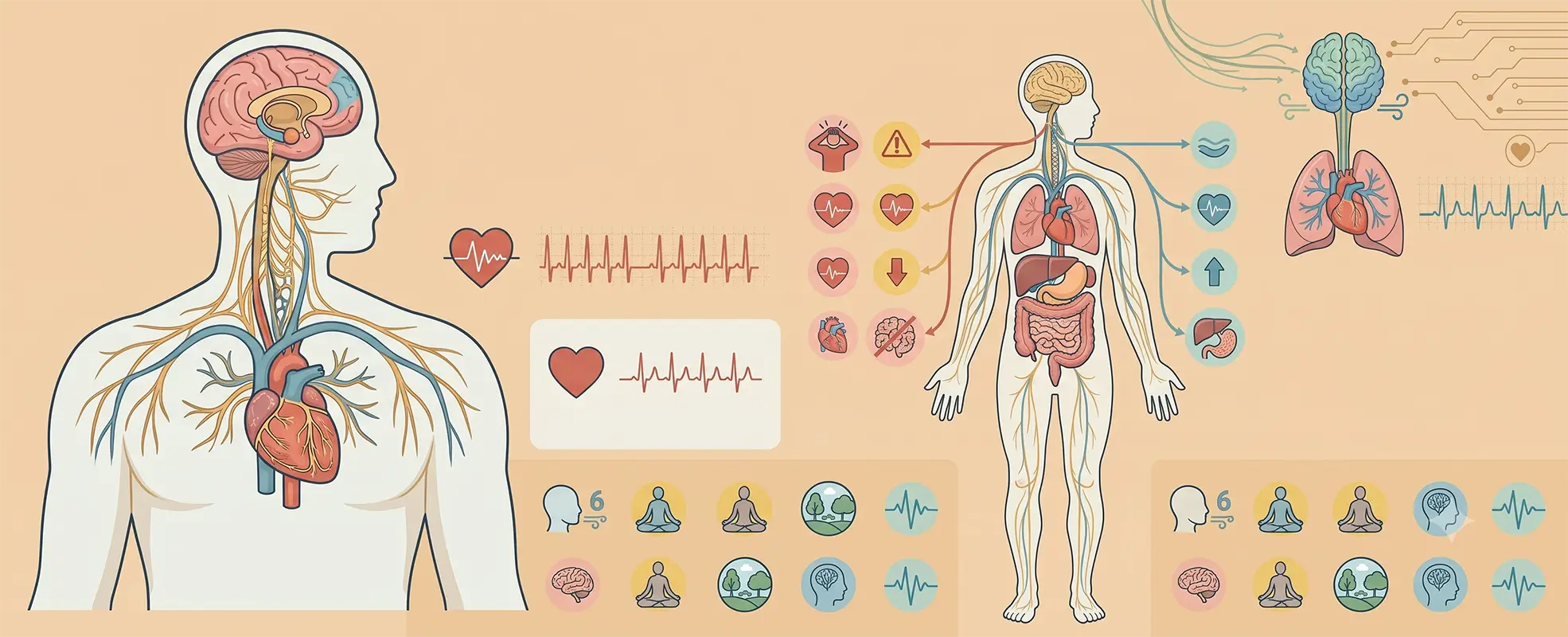
The vagus nerve is the main nerve of the parasympathetic nervous system, forming a two-way communication line between the brain and the heart, lungs and digestive tract.
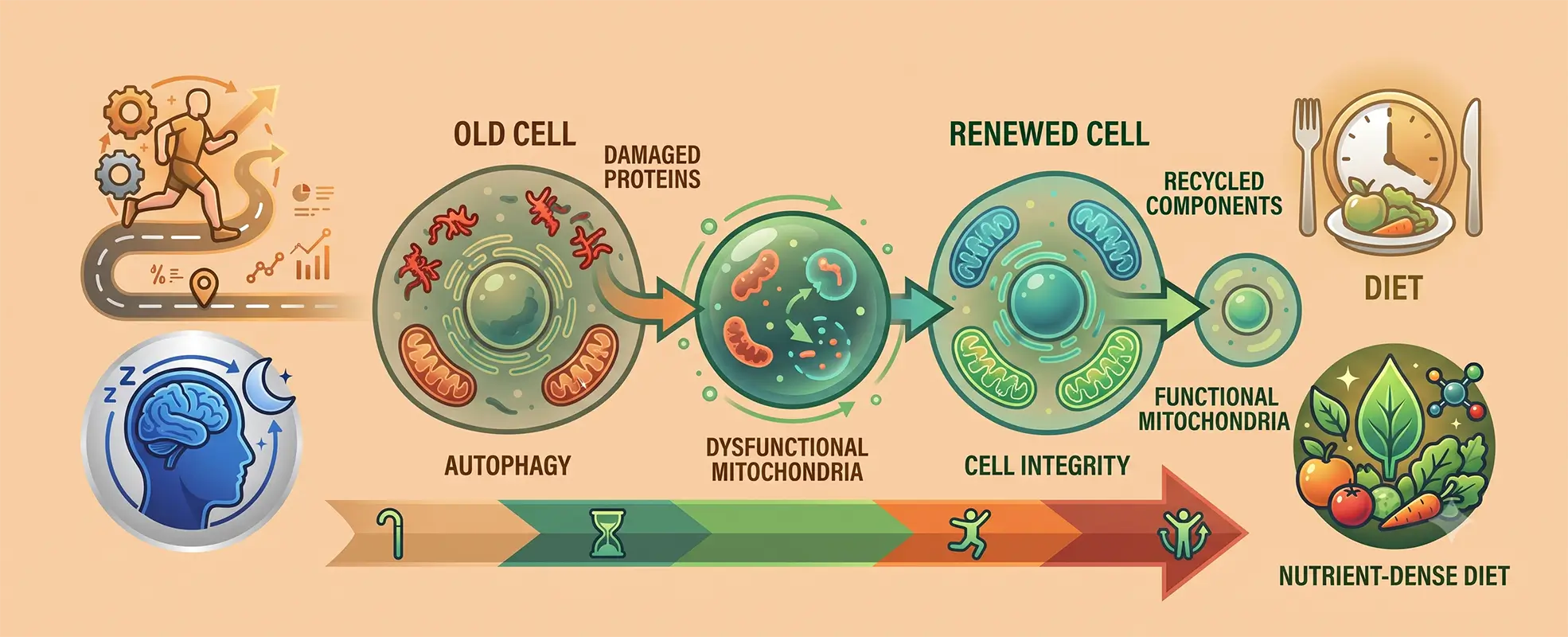
Autophagy is the body's cellular recycling system. Cells identify damaged proteins and dysfunctional mitochondria, break them down, and reuse the components.
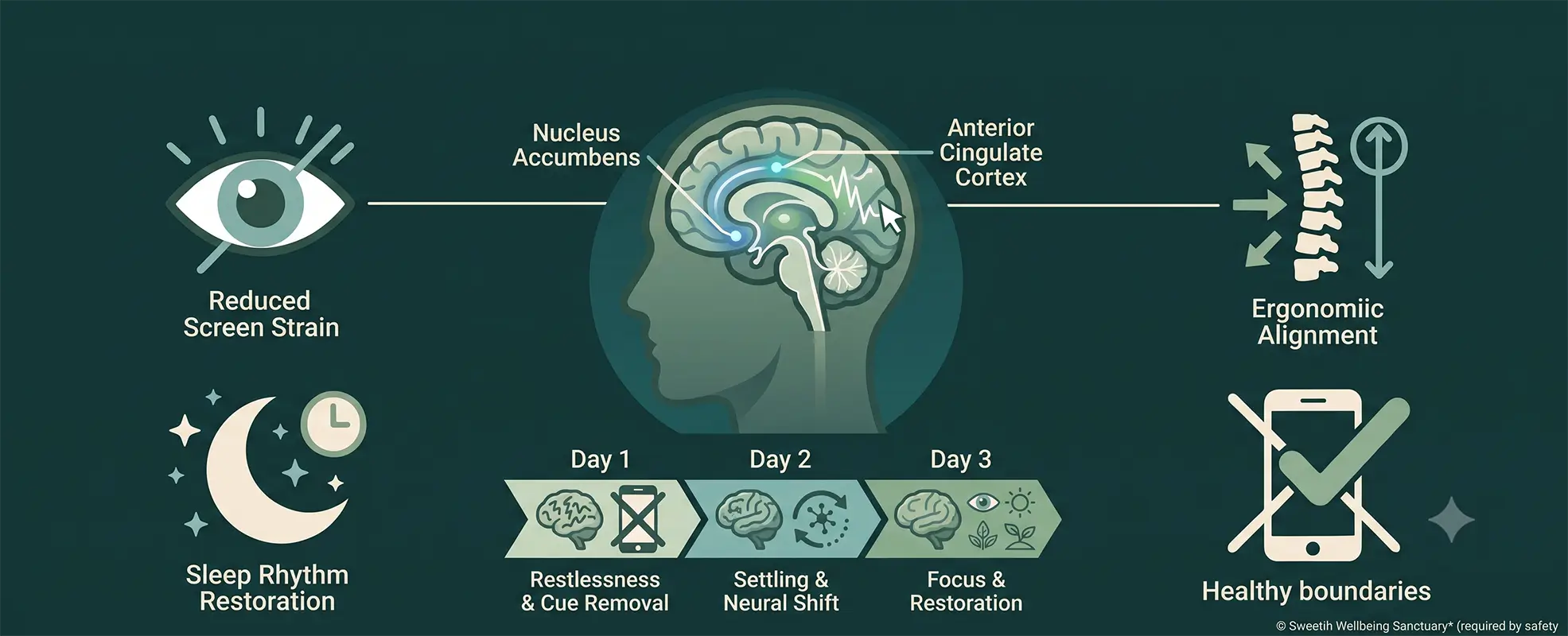
A 72-hour digital detox is a three-day period in which smartphone use is cut back to essentials, with recreational scrolling removed entirely
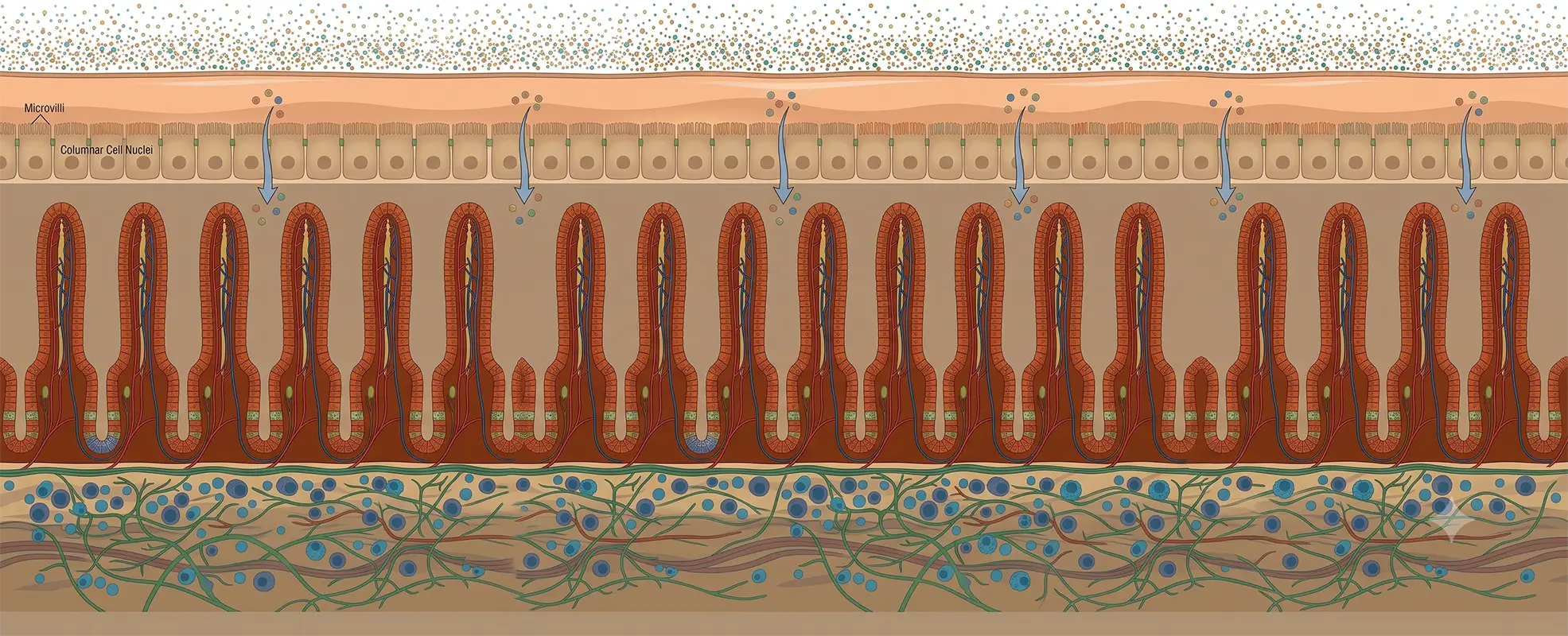
The intestinal epithelium is the most rapidly renewing tissue in the human body, and gut lining regeneration replaces the entire lining
The liver is the only internal human organ capable of substantial regeneration after significant tissue loss.
Sleep optimisation is the practice of protecting sleep architecture - the proportion of deep and REM sleep...
The hallmarks of ageing are the cellular and molecular processes that drive biological ageing...
Repair is the body's emergency response — it seals damage with collagen scar tissue that never regains original function.
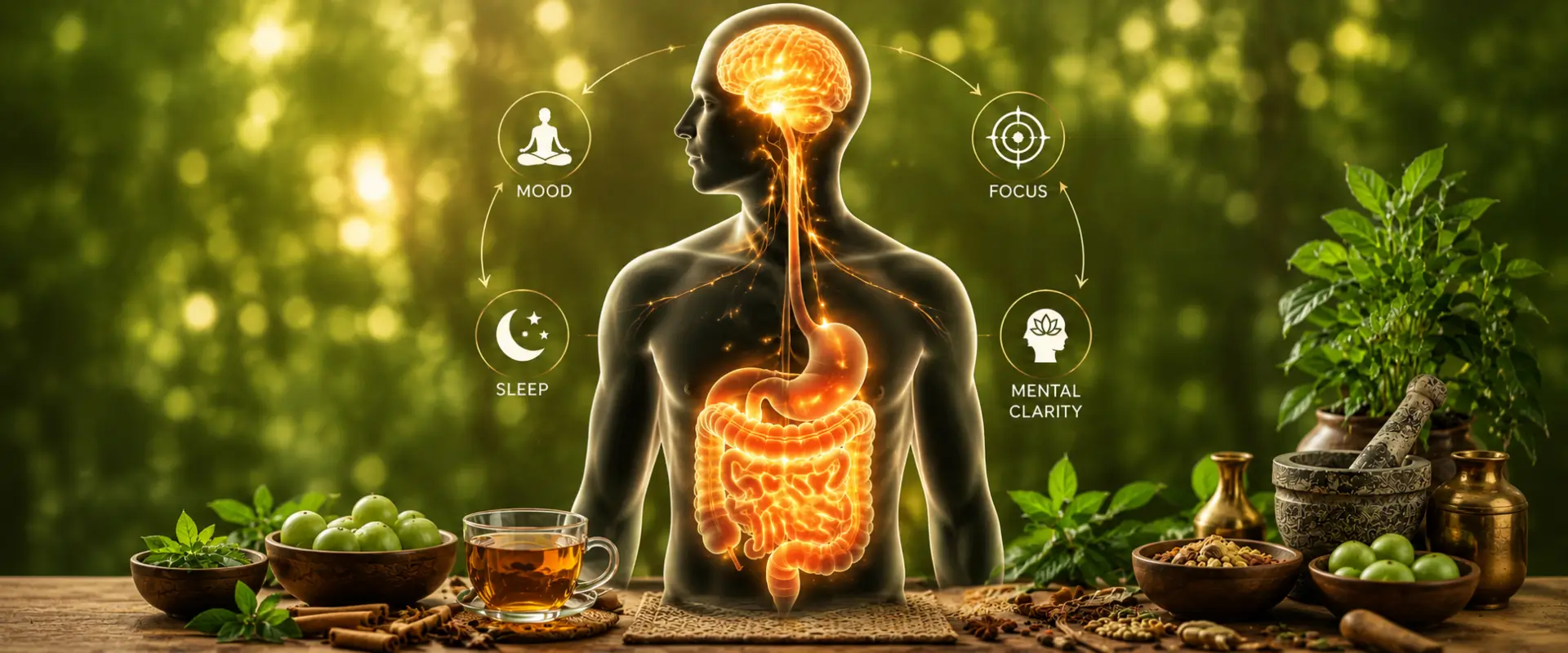
You have felt it, even if you never named it. The knot in your stomach before a difficult conversation. The way anxiety travels straight to your abdomen.