
72-Hour Digital Detox: What Happens to Your Brain in 3 Days
A 72-hour digital detox is a three-day period in which smartphone use is cut back to essentials, with recreational scrolling removed entirely. In 2025, researchers at Heidelberg University and the University of Cologne scanned 25 young adults before and after exactly this restriction, and found measurable shifts in the brain regions that govern reward and craving. Three days is short enough to fit a long weekend, and long enough to register on a brain scan.
What is a 72-hour digital detox?
A 72-hour digital detox is a structured three-day reduction of non-essential smartphone use, designed to interrupt the cue-and-reward loop that constant notifications create. It is not the same as abandoning technology. Participants in the German study still used their phones for work, family and daily necessities. What they removed was the reflexive, recreational reach for the screen. That distinction is why most home attempts fail: people try to give up the device entirely, find it impractical by the second morning, and conclude they lack discipline. The useful intervention is narrower — remove the habitual reach, keep the necessary function.
What did the 72-hour smartphone study find?
After 72 hours of restricted smartphone use, brain activity in response to smartphone images changed most prominently in the nucleus accumbens and the anterior cingulate cortex, two regions central to reward processing and salience. These changes were statistically associated with the distribution of dopamine and serotonin receptors in the brain.
Twenty-five right-handed adults aged 18 to 30 were scanned twice using functional MRI, once before the restriction and once after. During each scan they were shown switched-on smartphones, switched-off smartphones and neutral objects — a cue-reactivity task that measures how strongly the brain responds to something it has learned to associate with reward. Activity in the parietal cortex correlated significantly with craving scores, while reduced activation in the left middle frontal gyrus and superior parietal lobule was linked to sleep interference.
What the study did not find
This is the part most coverage skips. The questionnaire data showed no significant change in self-reported mood or craving over the 72 hours. The scans registered a shift; the participants’ conscious experience largely did not. A three-day detox is therefore not a mood cure, and the sample was small and young, so the findings do not automatically extend to older adults. Receptor levels themselves were never measured — the researchers correlated activity changes against existing maps of where dopamine and serotonin receptors sit. Headlines describing “altered receptors” overstate what was done.
Reference: Schmitgen, M. M. et al. (2025). Effects of smartphone restriction on cue-related neural activity. Computers in Human Behavior. doi:10.1016/j.chb.2025.108610
Why three days?
Seventy-two hours is the window this study tested, not a proven optimum. Shorter and longer periods were not compared. What the research does establish is that three days is sufficient for reward-related activity to shift measurably, which makes it a defensible minimum rather than a magic number.
The same figure appears from a different direction in practice. Practitioners working with screen-fatigued guests commonly observe restlessness through the first 48 hours, followed by a noticeable settling. Three nights covers that adjustment and leaves a full day beyond it. For working adults in India, it also fits a long weekend without a life having to be re-engineered.
Signs your nervous system is carrying a screen load
These patterns are commonly reported by people who describe their own phone use as excessive. None is diagnostic alone, and any persistent symptom warrants a conversation with a qualified doctor.
- Reaching for the phone within minutes of waking, before anything else
- Difficulty falling asleep despite physical tiredness, or waking and immediately checking the screen
- A background restlessness when the phone is out of reach or on silent
- Shallow concentration: re-reading the same paragraph, or losing the thread of a conversation
- Dry, tired or strained eyes by mid-afternoon
- Persistent tightness through the neck, shoulders and upper back
The eye and posture signs are the ones people rarely connect to screen use, yet they build quietly over years. Where these overlap with sustained work pressure, they often present as exhaustion rather than distraction — the territory covered in our note on executive burnout recovery for senior leaders.
How does Swastik Wellbeing Sanctuary approach a 72-hour digital detox?
Swastik Wellbeing Sanctuary is India’s first regenerative wellbeing sanctuary, integrating ancient healing traditions with modern science to restore the body’s natural capacity to heal, regenerate and thrive. Applied to digital overload, that integration is unusually literal: the science above describes what three days does to the reward system, and the therapies below are the traditions used to support the recovery it opens up.
The Digital Detox programme runs as a three-night or five-night stay across 51 acres at Peacock Valley, Khadakwasla, near Pune. The three-night option corresponds almost exactly to the window the German researchers tested. It combines Ayurveda, Naturopathy, Yoga Therapy, Functional Fitness, mindfulness and nature-based practice to support nervous system regulation, cognitive recovery and emotional resilience.
Removing the cue, not just the device
Cue-reactivity research points to a practical principle: the trigger matters as much as the object. Locking a phone in a drawer at home leaves every associated cue intact — the desk, the sofa, the commute, the notification sound from somebody else’s phone. A change of environment removes the entire cue set at once. The approach here is guided rather than punitive: seekers begin with structured device-free windows that gradually extend, supported by alternative activity.
Calming the senses, releasing the physical load
The experience may include Shirodhara, a steady stream of warm oil poured over the forehead; Abhyanga, a full-body oil massage; and Netra Tarpana, a traditional eye therapy — practices traditionally used to calm strained eyes, relieve mental fatigue and support sensory restoration. Alongside them, naturopathic practices including infrared sauna, hydrotherapy and mud therapy work on muscular tension and autonomic balance, while functional fitness and spinal decompression address the posture strain that accumulates through years of device use. Guests carrying a heavier stress component are often supported through the stress and emotional balance programme alongside it.
Rebuilding attention, sleep and rhythm
Structured yoga, mobility sequences, dedicated eye exercises, pranayama and guided meditation support parasympathetic activation, attention regulation and sleep quality, with practice held at Dhyan Vihar, the sanctuary’s column-less meditation dome. Nutrition is circadian-aligned and anti-inflammatory, because a detox that fixes the screen but leaves erratic meal timing in place rarely holds. Where sleep disruption is the dominant complaint, the sleep optimisation programme addresses it more specifically, and our article on meditation and cortisol regulation covers the stress-hormone mechanism.
Refilling the space, and taking it home
A detox that only subtracts tends to fail. Group games, creative painting sessions and collaborative activities encourage social engagement and creative stimulation, while mind-body workshops, sound therapy and mindfulness practice strengthen digital self-regulation. This matters more than it appears: screen time usually displaces social contact rather than solitary time. Seekers then conclude with personalised post-retreat protocols covering digital hygiene, posture and sleep — the component that decides whether three days becomes a pleasant memory or a genuine change.
What benefits can you expect?
The programme is designed to support the outcomes below. Individual response varies, therapies are personalised following consultation, and none of this replaces medical treatment where a diagnosed condition is present.
- Attention and mental clarity. Reduced overstimulation gives sustained attention a chance to recover; guests commonly describe sharper focus within a few days.
- Sleep quality. Lower evening light exposure and a restored daily rhythm support natural sleep cycles.
- Nervous system regulation. Yoga, pranayama, meditation and naturopathic therapies support parasympathetic activation and autonomic balance.
- Eye comfort and posture relief. Netra Tarpana, eye exercises, spinal decompression and bodywork address strain that screen users rarely treat directly.
- A maintainable routine. The personalised digital hygiene, posture and sleep protocol carries the reset into daily life.
Who the programme is designed for
It is curated for individuals experiencing screen fatigue and mental overstimulation; those facing stress, anxiety or digital burnout; people with sleep disruption linked to device usage; anyone with neck, shoulder, back, eye or posture-related discomfort from prolonged screen time; and those struggling with lifestyle imbalance and constant connectivity.
Three nights is the evidence-supported minimum and suits a first detox. Five nights suits anyone whose sleep disruption is long-standing, whose eye and posture strain has built over years, or who has tried a short detox before and found the benefit faded within a fortnight. To discuss which fits, speak to a wellness advisor.
How to do a 72-hour digital detox at home
- Define “essential” in writing before you start. Decide your own list in advance, so it cannot quietly expand at 9pm on day one.
- Delete the loops, not the phone. Remove social, video and news apps for three days. Keeping the device usable for calls is what makes the plan survivable.
- Move the charger out of the bedroom and buy an alarm clock. The phone-as-alarm habit is the most common reason a bedroom detox collapses.
- Plan the empty hours. Book the walk, the meal, the reading. Unstructured time is where the reach for the screen returns.
- Expect day one to be the hardest. Restlessness in the first evening is ordinary and usually settles by the second day.
For a fuller picture of a residential stay, what to expect from a digital detox walks through it day by day.
Frequently Asked Questions
Is 72 hours long enough for a digital detox to work?
Seventy-two hours is the shortest period with brain-imaging evidence behind it. A 2025 study found measurable changes in reward-related brain activity after three days of restricted smartphone use. It is best understood as an evidence-supported minimum rather than a proven optimum, since shorter and longer windows were not compared in that research.
Does a 72-hour digital detox reset your dopamine levels?
No. Dopamine reset is a popular phrase with no clinical basis. The 2025 study did not measure dopamine levels at all. It correlated observed brain activity changes with existing maps showing where dopamine and serotonin receptors are distributed. What changed was activity in reward-related regions, not the quantity of any neurotransmitter.
What should I expect on the first day of a 72-hour detox?
Restlessness and a reflexive urge to check the phone are the most commonly described experiences, usually settling within the first 48 hours. Notably, the 25 participants in the German study reported no significant change in mood or craving on questionnaires despite the shifts visible on their scans. Persistent low mood or anxiety should be discussed with a qualified doctor.
Is smartphone addiction a recognised medical diagnosis?
No. Neither the ICD-11 nor the DSM-5 currently lists smartphone addiction as a formal diagnosis, although gaming disorder is recognised in ICD-11. Research does show that the brain’s reaction to smartphone cues resembles the cue-reactivity pattern seen in substance-related addiction, which is why the behaviour is taken seriously even without a diagnostic label.
What does the Digital Detox programme at Swastik Wellbeing include?
The programme runs as a three-night or five-night stay near Pune and may include Ayurvedic therapies such as Shirodhara, Abhyanga and Netra Tarpana; naturopathic practices including infrared sauna, hydrotherapy and mud therapy; yoga, pranayama, eye exercises and guided meditation; functional fitness and spinal decompression; circadian-aligned nutrition; and creative and group activities. Seekers leave with a personalised digital hygiene, posture and sleep protocol.
Can I do a digital detox if I need my phone for work?
Yes. The 2025 study protocol permitted essential use, including work, daily logistics and family contact. What was removed was recreational and social use. At Swastik the approach is guided rather than punitive, with structured device-free windows that extend gradually rather than a single abrupt separation.
About Dr. Nitin
Designation: Consultant – Naturopathy & Acupuncture
Qualification: CCIM – NIMHANS Certified
Experience: 4+ Years
Specialisation: Naturopathy, Acupuncture, Holistic Healing, Integrative Therapies, Personalised Wellness Programmes
Dr. Nitin is a Naturopathy Physician and certified Acupuncturist with over 4 years of clinical and wellness experience. His expertise lies in holistic healing, integrative therapies, and personalised wellness programmes that promote long-term health and vitality.
Related Blogs
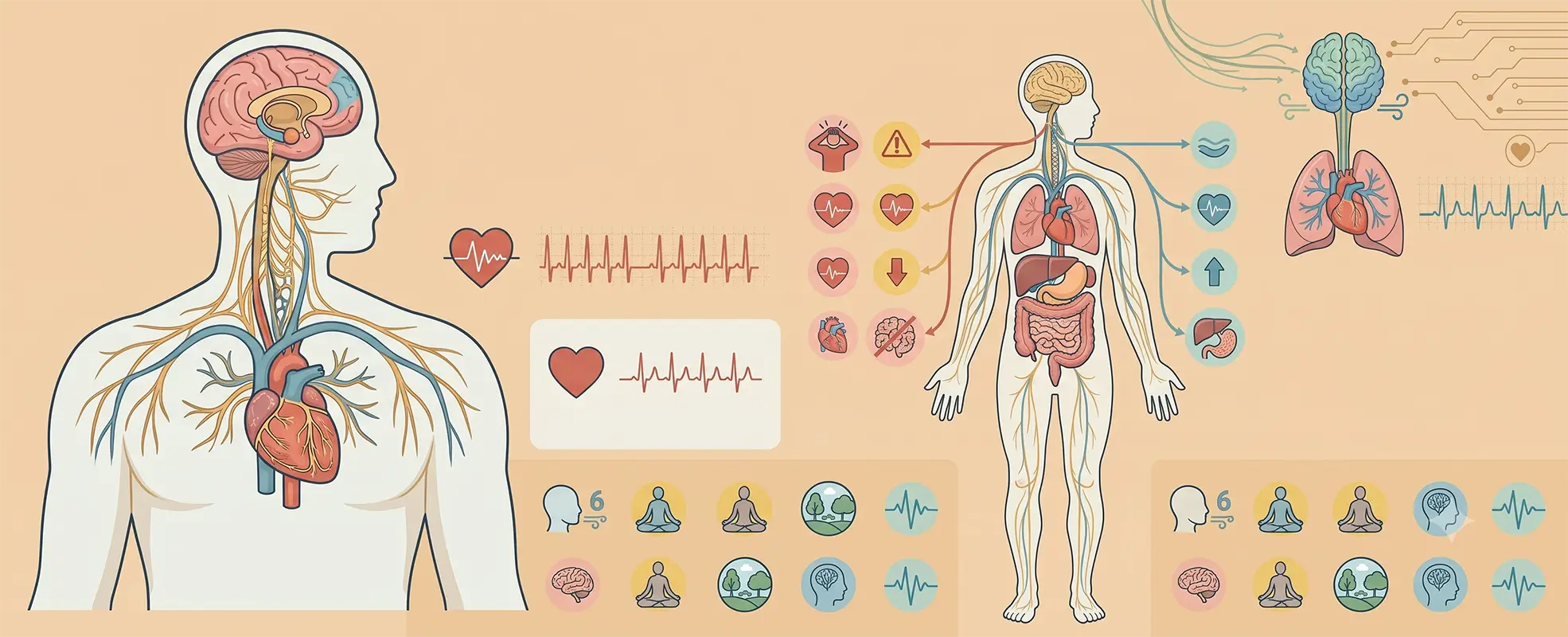
The vagus nerve is the main nerve of the parasympathetic nervous system, forming a two-way communication line between the brain and the heart, lungs and digestive tract.
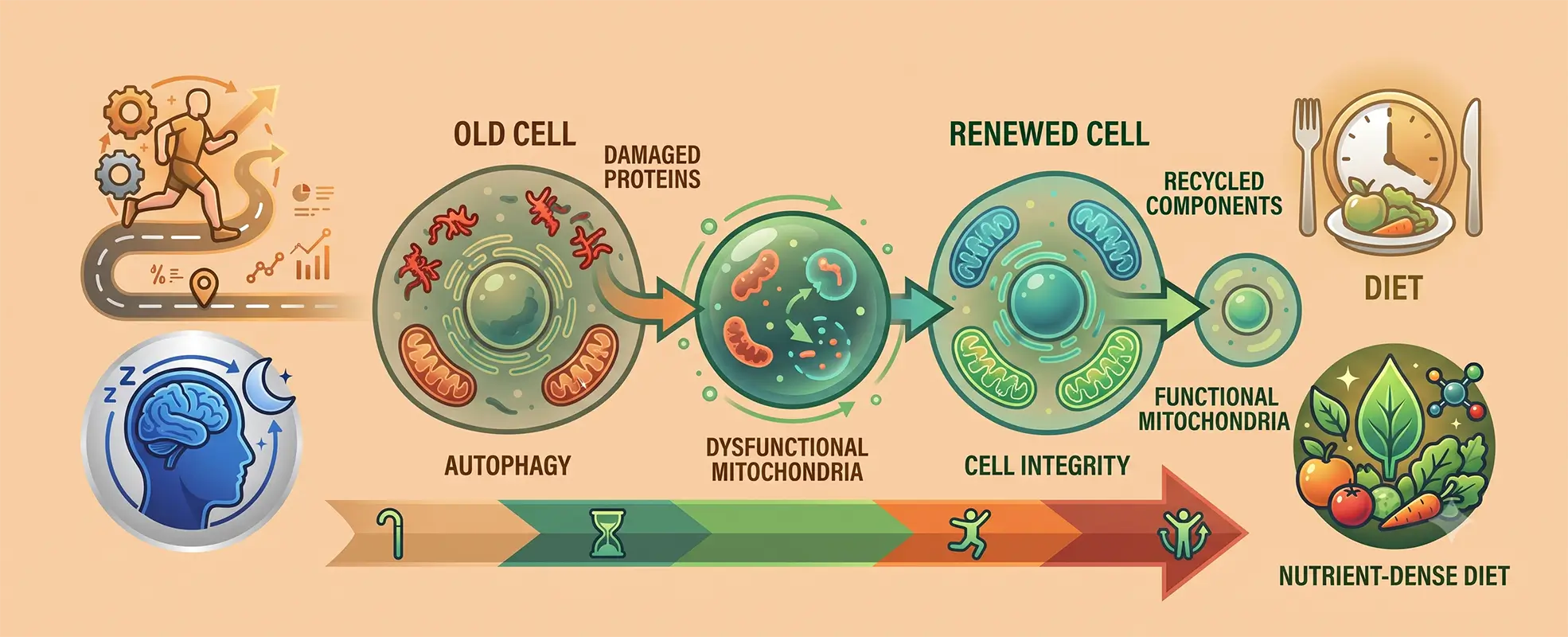
Autophagy is the body's cellular recycling system. Cells identify damaged proteins and dysfunctional mitochondria, break them down, and reuse the components.
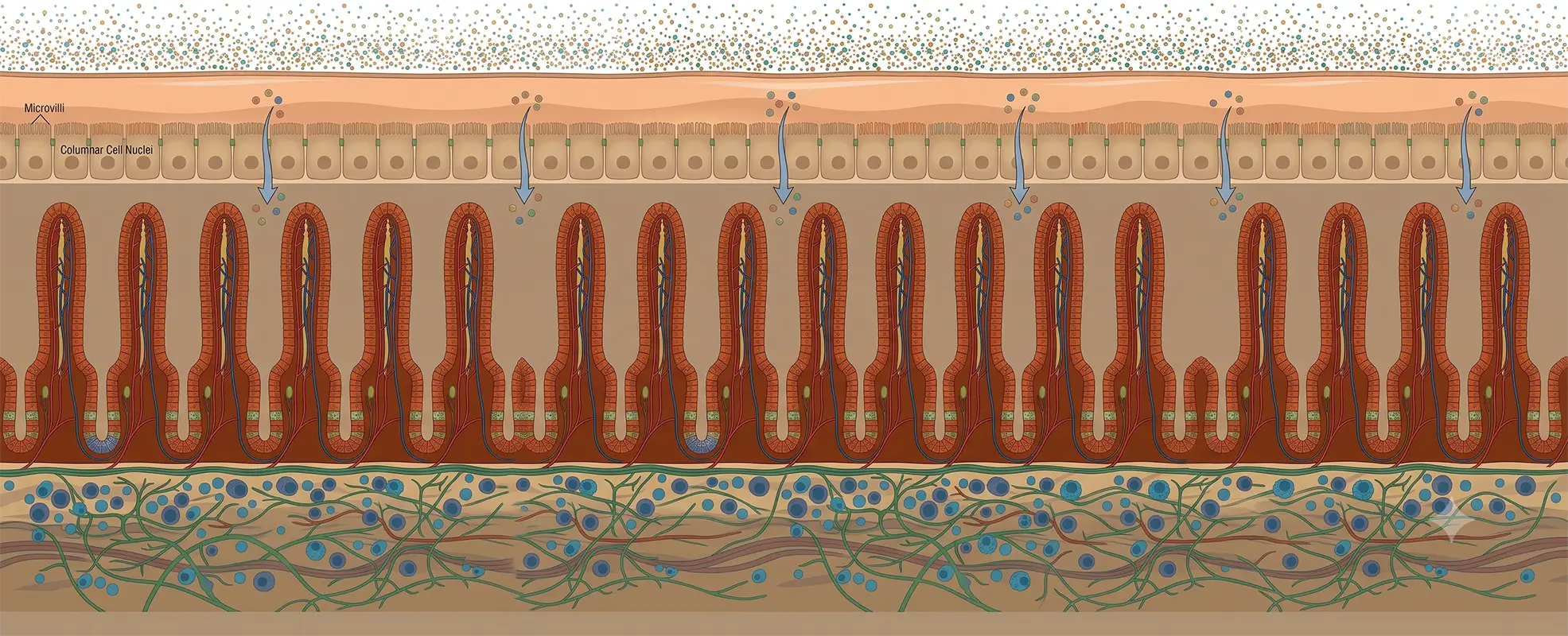
The intestinal epithelium is the most rapidly renewing tissue in the human body, and gut lining regeneration replaces the entire lining
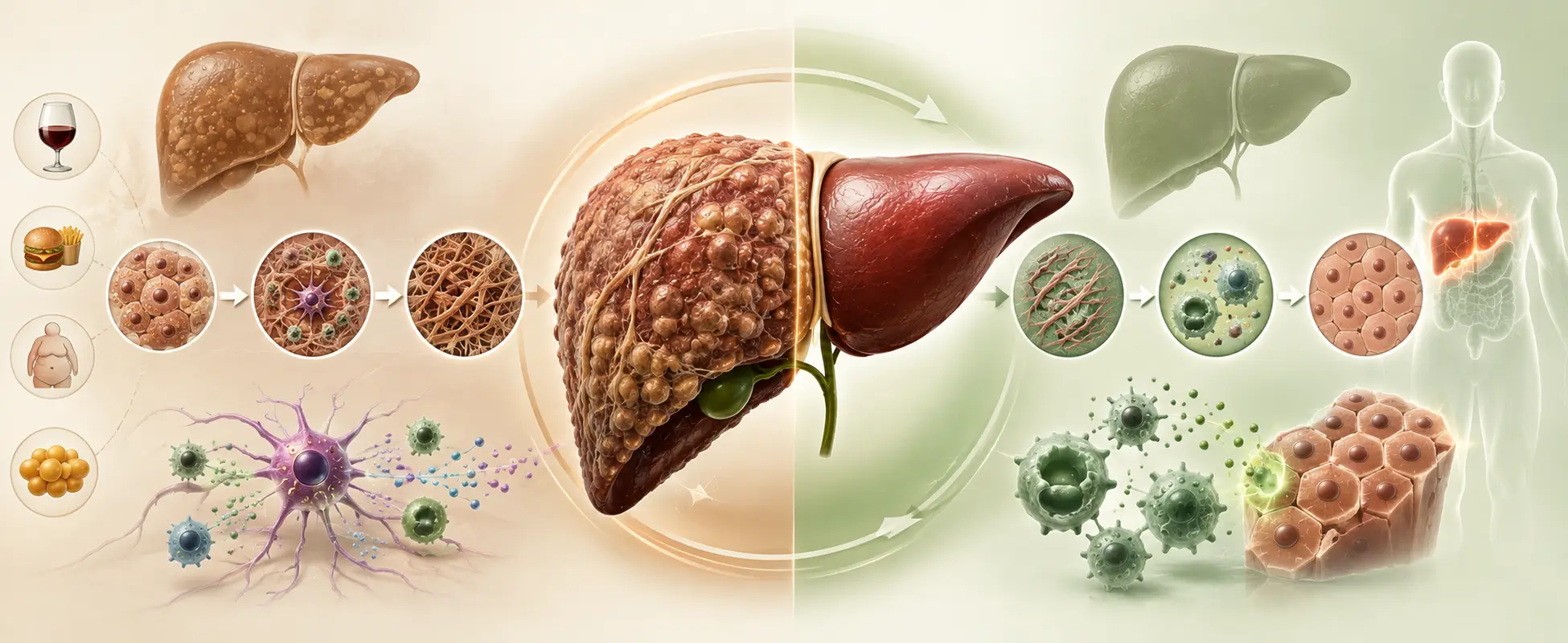
The liver is the only internal human organ capable of substantial regeneration after significant tissue loss.
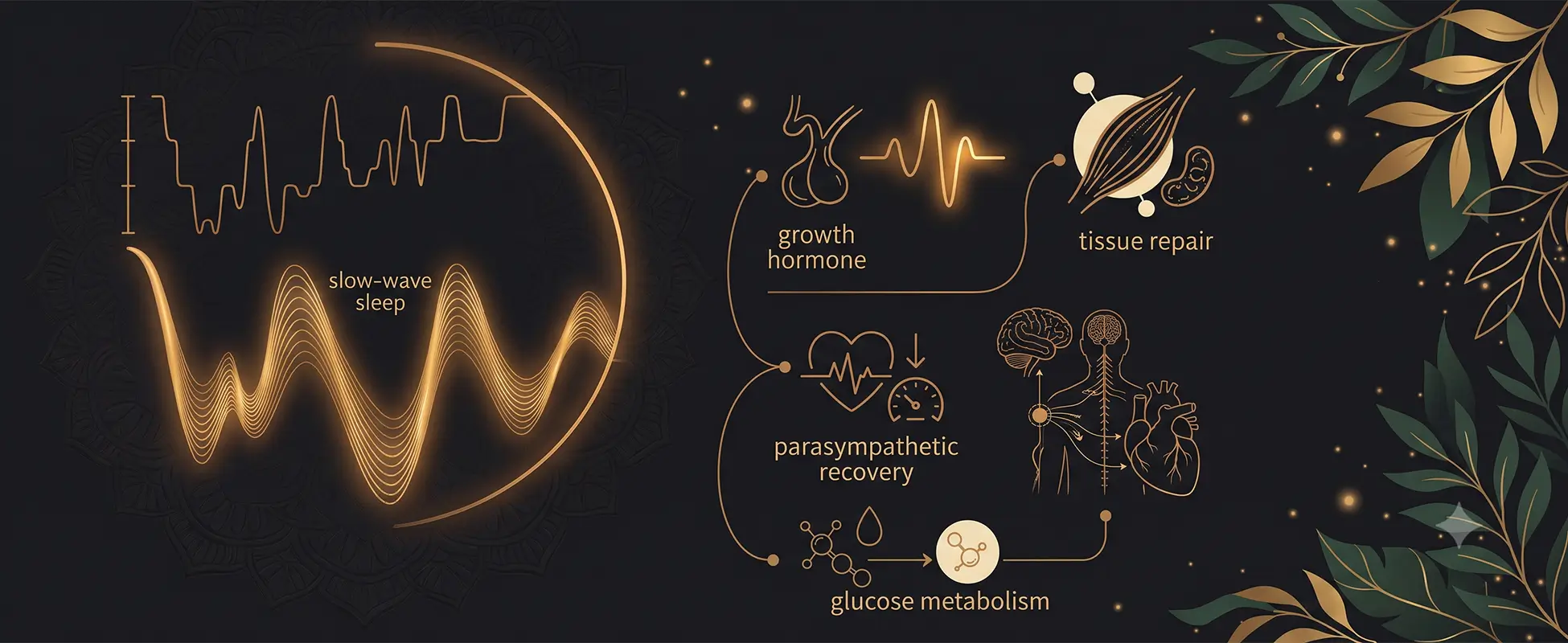
Sleep optimisation is the practice of protecting sleep architecture - the proportion of deep and REM sleep...
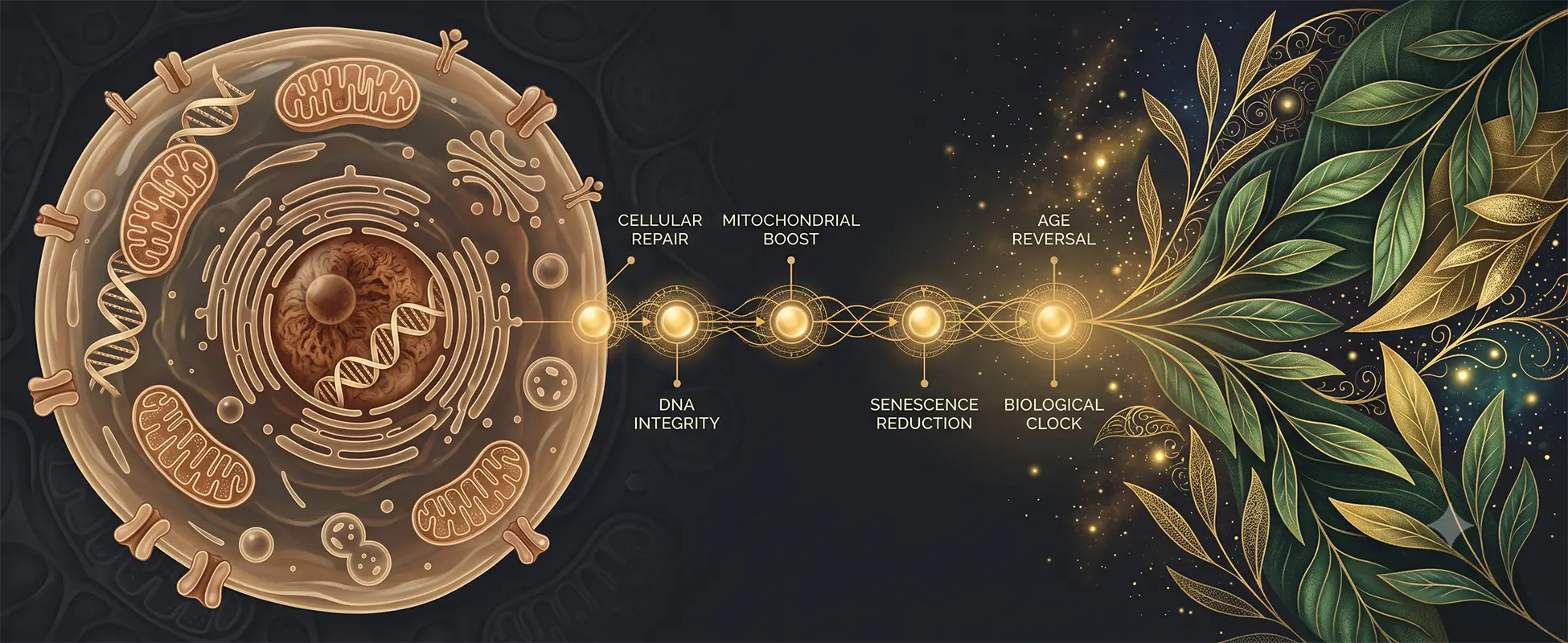
The hallmarks of ageing are the cellular and molecular processes that drive biological ageing...
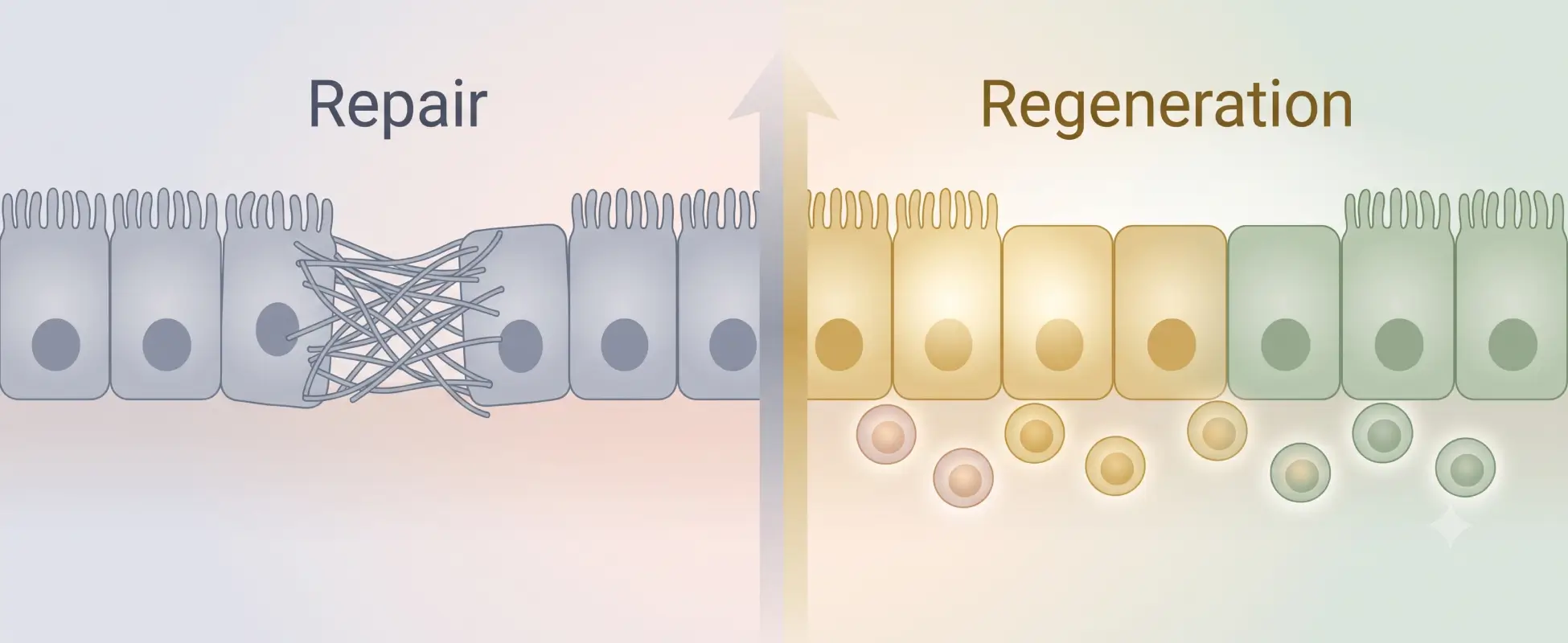
Repair is the body's emergency response — it seals damage with collagen scar tissue that never regains original function.
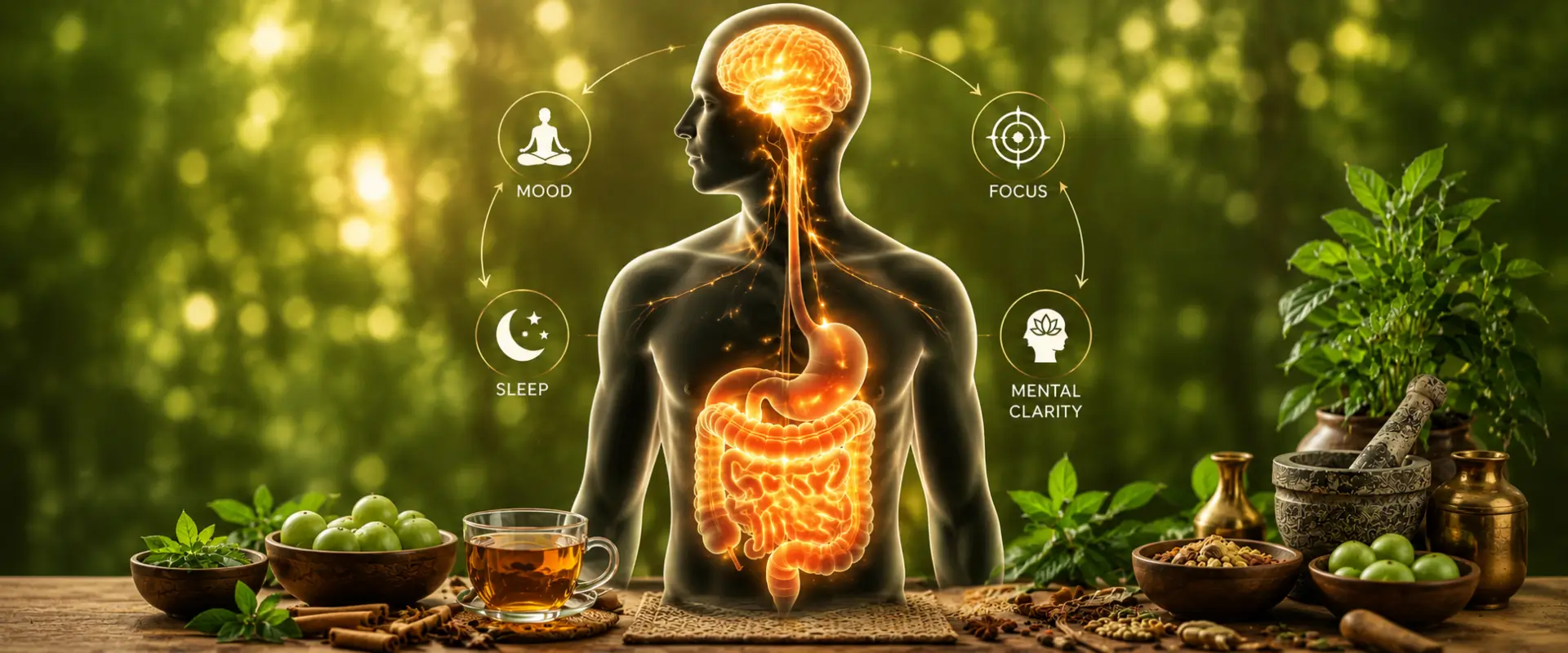
You have felt it, even if you never named it. The knot in your stomach before a difficult conversation. The way anxiety travels straight to your abdomen.

Insulin resistance is a state in which the body’s cells respond less efficiently to insulin, the hormone that moves glucose out of the bloodstream and into cells for energy.