
The Art of Self-Care: Prioritizing Your Mental Wellbeing
Self-care isn’t just a trend; it’s a strong commitment to ourselves. Imagine feeling better, looking better, and having more energy just by prioritising ourselves. It’s essential for boosting our mental health, self-esteem, and overall outlook on life. The past few years, with challenges like the global pandemic, have shown just how deeply self-care and mental wellness are connected. Instead of waiting until we’re burned out, let’s make it a daily habit. Let’s explore the art of self-care.
What is self-care for mental wellbeing?
Self-care for mental wellbeing is the regular, intentional practice of nurturing your mind through habits like mindfulness, rest, connection and reflection. It is a preventative routine that reduces anxiety, supports emotional balance and helps prevent burnout — recognised by the World Health Organization as essential to mental health.
Self-care fuels your mental wellbeing
Self-care isn’t just about treating yourself; it’s about nurturing your mental wellbeing. It’s like giving yourself a mental hug amidst life’s chaos. Studies show that having a solid routine reduces anxiety, boosts happiness, and prevents burnout.
And guess what? The World Health Organization has our backs on this one, emphasizing how self-care is essential for promoting mental health and even adding years to our lives. So, whether it’s hitting the gym, finding purpose in your work, or simply taking an extra nap, it is your secret sauce to feeling happier and healthier.
After all, as Audre Lorde wisely said, “Caring for myself is not self-indulgence, it is self-preservation.”
The need of the hour? Self-care
In today’s hustle culture, we’re often pressured to work long hours and skip vacations, believing constant productivity is key. But neglecting it can backfire, leaving us stressed and drained. However, when we prioritize ourselves, we can hit the reset button and become more productive in the long run.
Overworking leads to burnout, depression, and anxiety, while a solid self-care routine works wonders for reducing stress, boosting concentration, and increasing happiness. It even improves physical health, lowering the risk of heart disease and cancer. And, spiritually, it connects us to our higher purpose and brings meaning to life.
So, prioritising yourself isn’t a luxury, it’s essential for a healthier, happier you.
Mastering the Art
Creating an effective plan is all about tailoring it to your unique needs. It’s a preventative measure to keep you from feeling overwhelmed, overstressed, and burned out.
Here’s how to build a plan:
- Identify Your Needs:
List different parts of your life and daily activities (e.g., work, school, relationships, family). - Recognize Stressors:
Identify what causes stress in these areas and brainstorm ways to address it. - Create Strategies:
Pick activities that improve your wellbeing in each area (e.g., spending time with friends, setting boundaries). - Prepare for Challenges:
Make a plan to tackle neglected areas of your life. - Start Small:
Begin with one small change to improve your journey. - Prioritize Self-Care:
Set aside dedicated time, even when you’re busy.
Starting small can make self-care feel more manageable. Here are a few simple ideas to ease into your journey:
- Keep a Journal: Reflect on your thoughts and feelings.
- Morning Mindfulness: Start your day with five minutes of mindful breathing and set daily intentions.
- Eat Breakfast: Begin your day with a nutritious meal.
- Practice Gratitude: Reflect on what you’re grateful for each night.
- Unplug Before Bed: Put your phone on airplane mode for a half-hour before bed.
- Stay Connected: Call a friend just to say hello.
- Find a Hobby: Take up a relaxing activity.
- Set a Bedtime: Pick a consistent bedtime and stick to it.
Incorporate these steps and tips into your routine, and you’ll be on your way to a more balanced and fulfilling life.
Build your path to mental wellbeing
The demands of your daily life often dictate the type of self-care you need most. For instance, a busy professional juggling a demanding job and family responsibilities might need to focus on stress-relief activities, like mindfulness or exercise. On the other hand, a stay-at-home parent may benefit more from alone time or hobbies that allow for personal growth and relaxation.
Self-care isn’t a one-size-fits-all strategy. Your plan should be customised to your unique needs and current circumstances. A busy professional may need structured digital detox and sleep optimisation, while someone navigating chronic stress may benefit most from a dedicated stress and emotional balance program. At Swastik, we believe in the art of personalised self-care, where each individual’s journey to mental wellbeing is uniquely crafted — from guided meditation at Dhyan Vihar to quiet, unhurried days in nature. By prioritising self-care tailored to your needs, you’re not only investing in your present but also safeguarding your future. Explore our full range of wellness programs to begin.
Frequently Asked Questions
What is self-care for mental wellbeing?
Self-care for mental wellbeing is the regular, intentional practice of nurturing your mind through habits like mindfulness, rest, connection and reflection. It is a preventative routine that reduces anxiety, supports emotional balance and helps prevent burnout.
Why is self-care important for mental health?
Consistent self-care lowers stress, improves concentration and increases happiness, while neglecting it can contribute to burnout, anxiety and low mood. The World Health Organization recognises self-care as essential to promoting mental health and overall wellbeing.
How do I build a self-care routine?
Start by identifying the areas of your life that cause stress, choose small activities that support each area, prepare for challenges and begin with one manageable change. Set aside dedicated time and build from there so the routine feels sustainable.
What are simple self-care habits to start with?
Easy starting points include five minutes of mindful breathing, journalling, eating a nutritious breakfast, practising gratitude at night, unplugging from screens before bed and keeping a consistent bedtime.
Can a wellness retreat support my self-care practice?
Yes. A structured retreat can reset your routine and deepen self-care through guided practices. Swastik Wellbeing offers programmes such as Stress and Emotional Balance and Digital Detox designed to help you build lasting habits for mental wellbeing.
Ready to make self-care a lasting practice? Explore our
Stress and Emotional Balance program
or book your stay at Swastik Wellbeing.
About Dr. Nitin
Designation: Consultant – Naturopathy & Acupuncture
Qualification: CCIM – NIMHANS Certified
Experience: 4+ Years
Specialisation: Naturopathy, Acupuncture, Holistic Healing, Integrative Therapies, Personalised Wellness Programmes
Dr. Nitin is a Naturopathy Physician and certified Acupuncturist with over 4 years of clinical and wellness experience. His expertise lies in holistic healing, integrative therapies, and personalised wellness programmes that promote long-term health and vitality.
Related Blogs
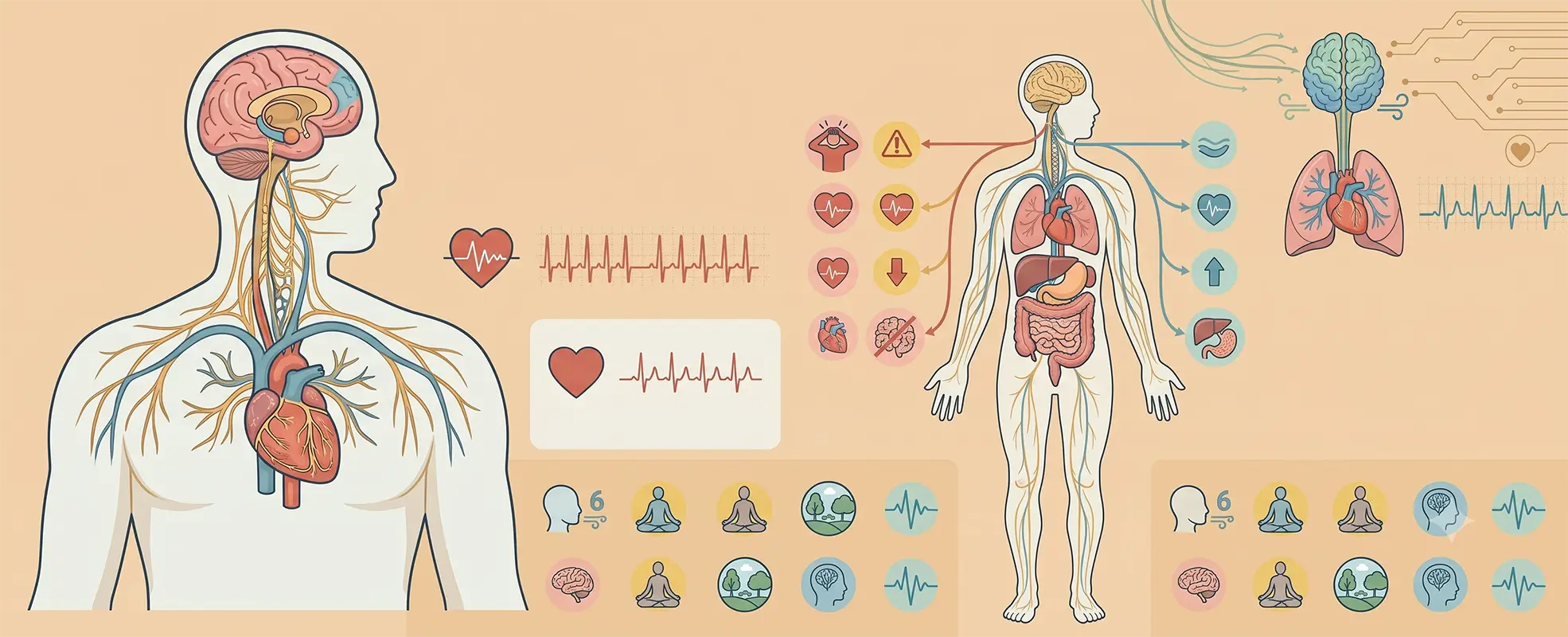
The vagus nerve is the main nerve of the parasympathetic nervous system, forming a two-way communication line between the brain and the heart, lungs and digestive tract.
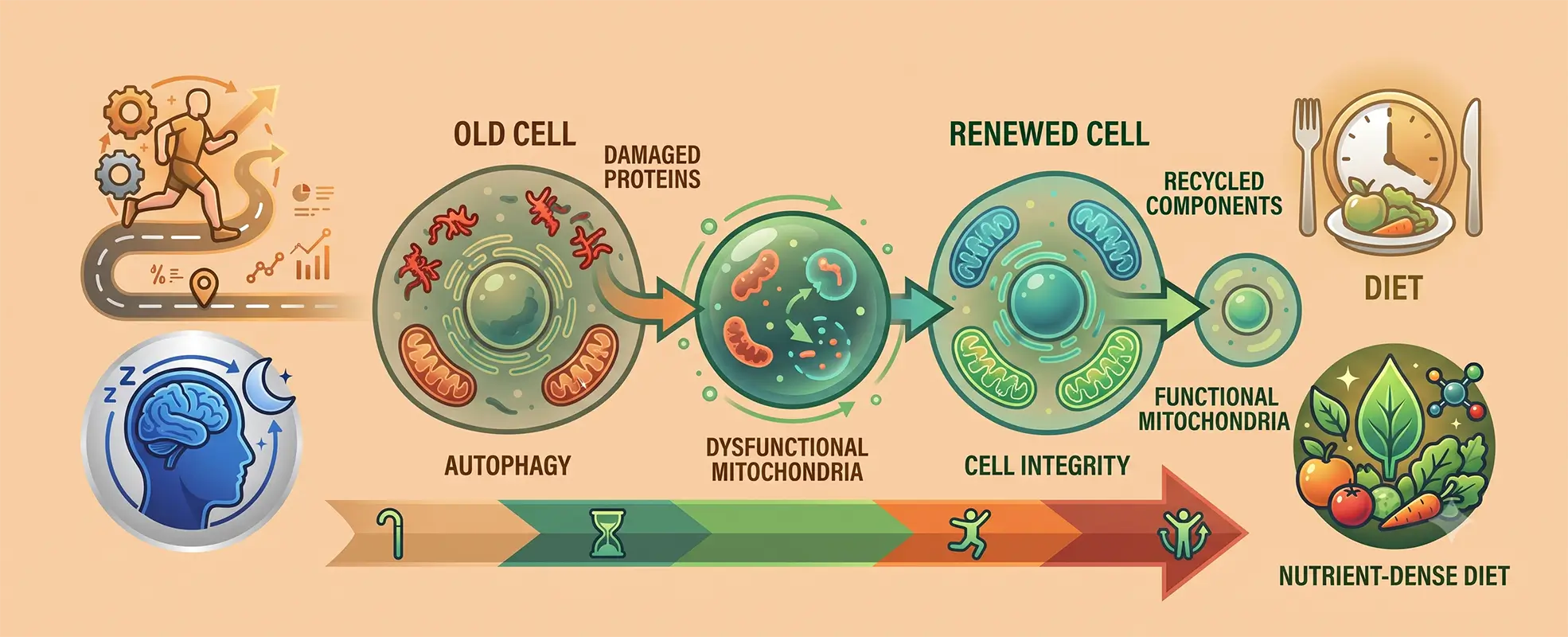
Autophagy is the body's cellular recycling system. Cells identify damaged proteins and dysfunctional mitochondria, break them down, and reuse the components.
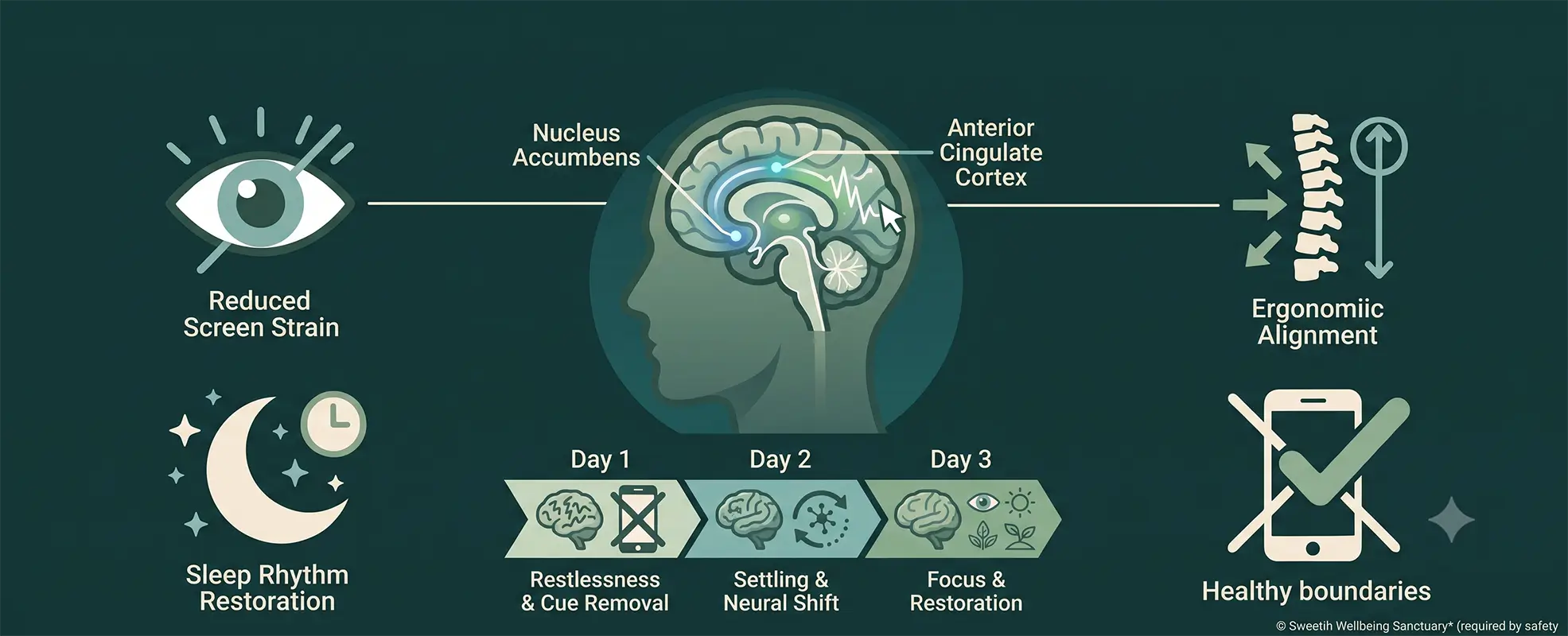
A 72-hour digital detox is a three-day period in which smartphone use is cut back to essentials, with recreational scrolling removed entirely
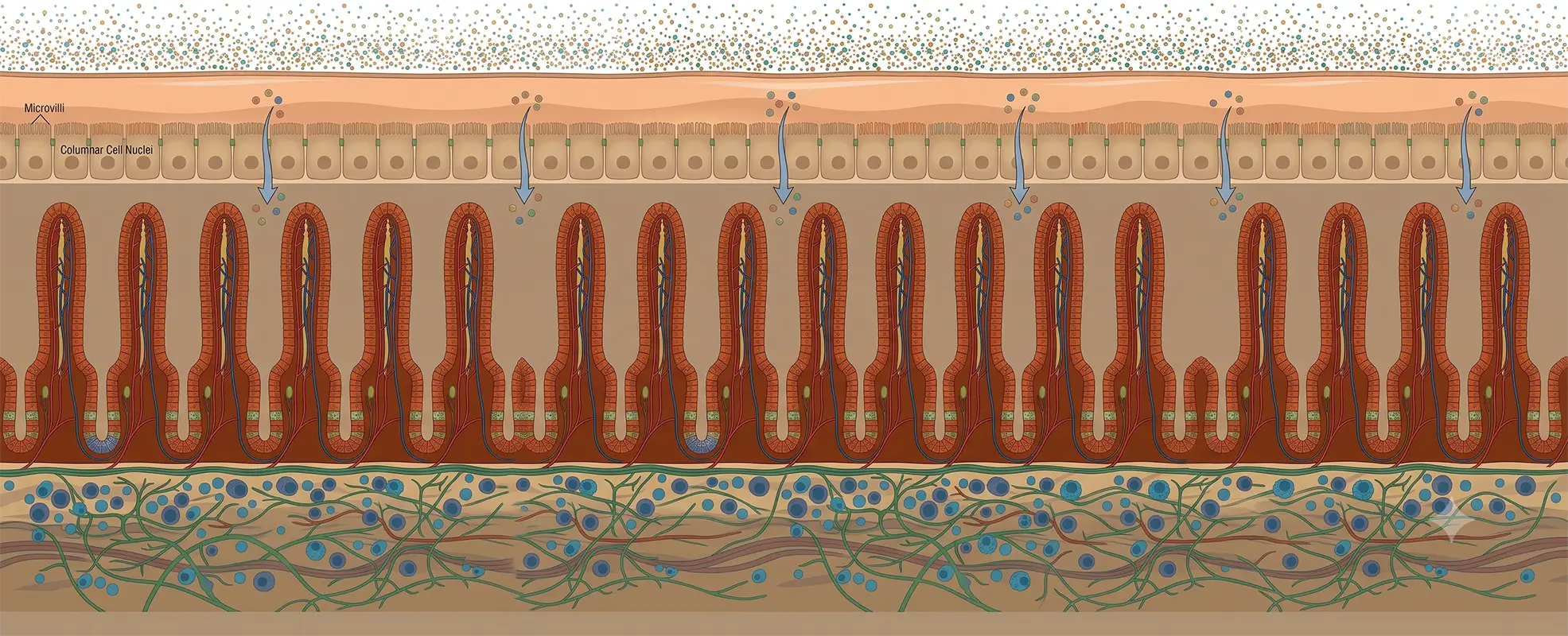
The intestinal epithelium is the most rapidly renewing tissue in the human body, and gut lining regeneration replaces the entire lining
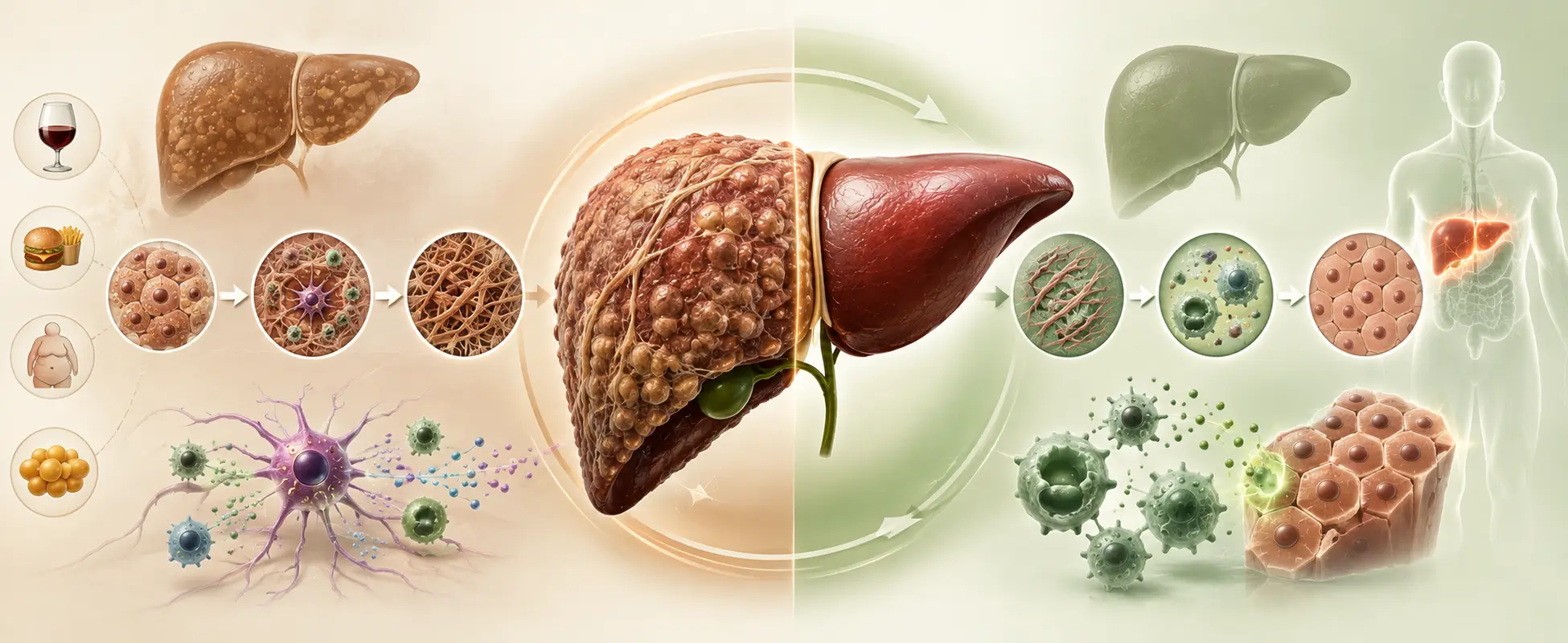
The liver is the only internal human organ capable of substantial regeneration after significant tissue loss.
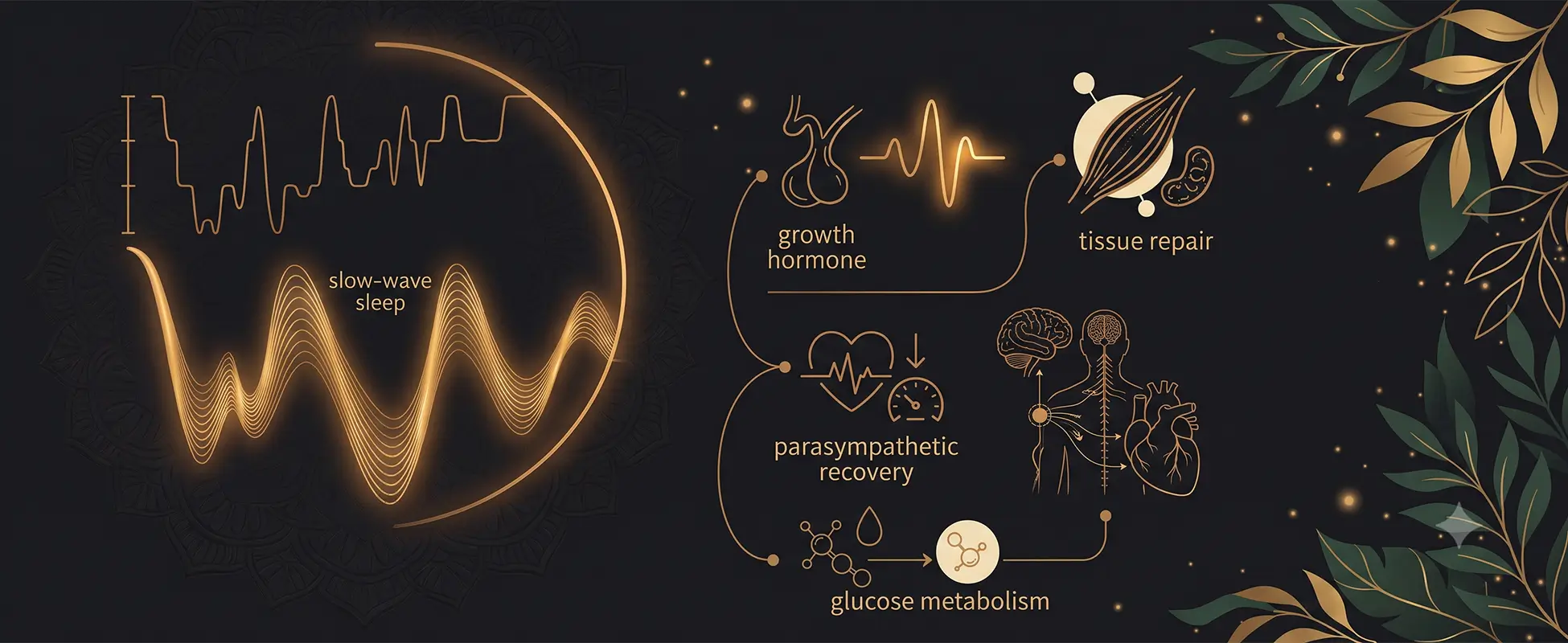
Sleep optimisation is the practice of protecting sleep architecture - the proportion of deep and REM sleep...
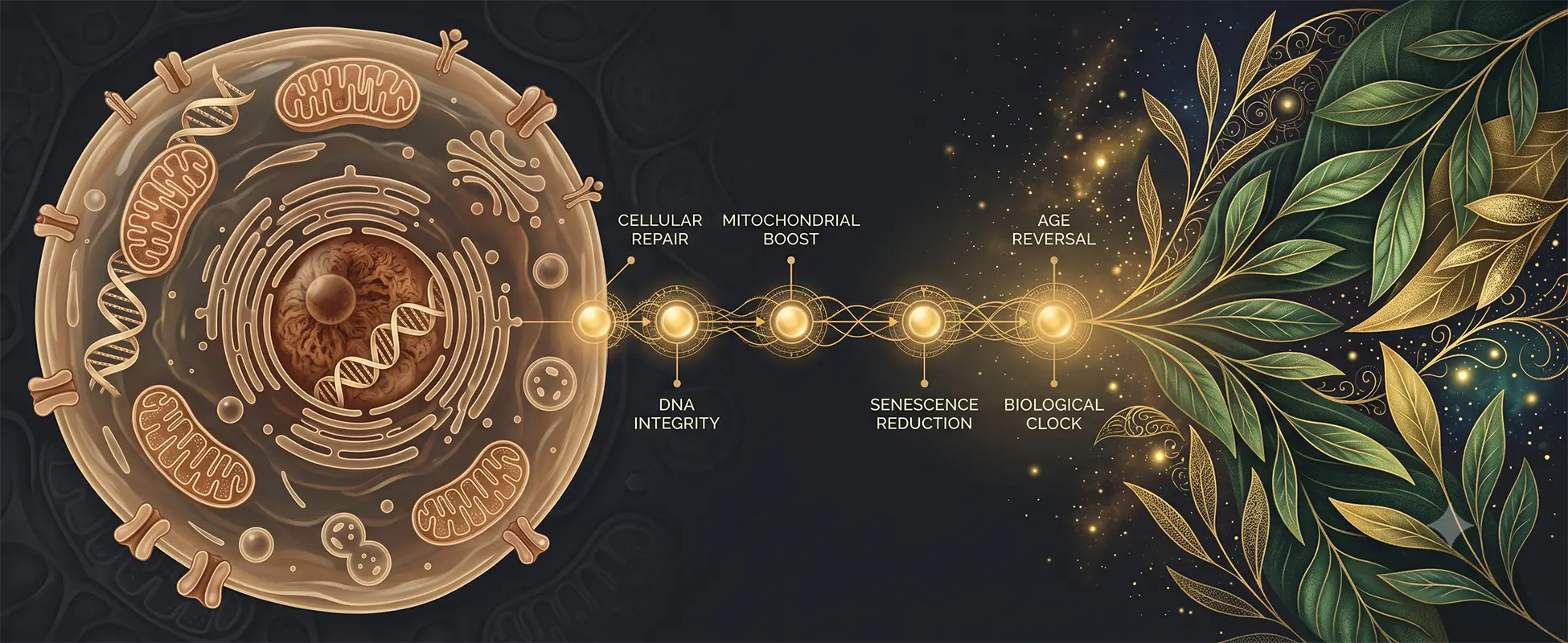
The hallmarks of ageing are the cellular and molecular processes that drive biological ageing...
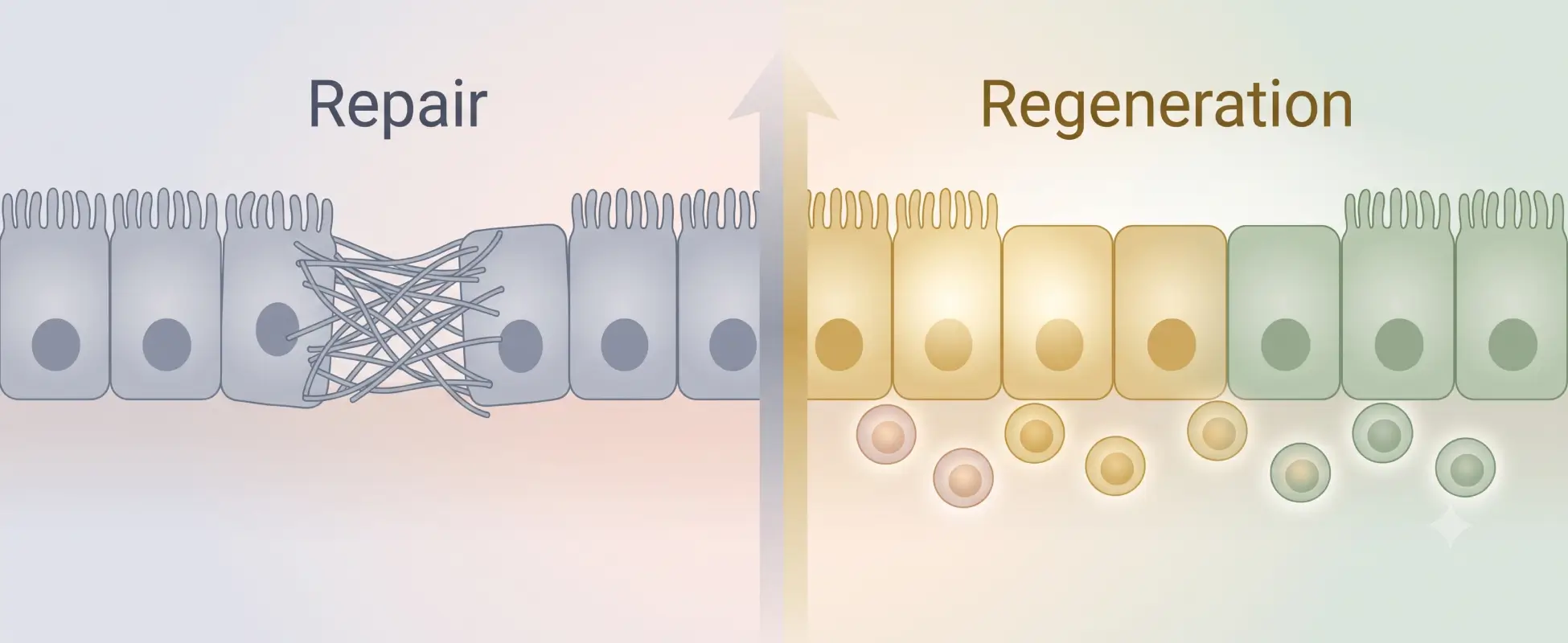
Repair is the body's emergency response — it seals damage with collagen scar tissue that never regains original function.
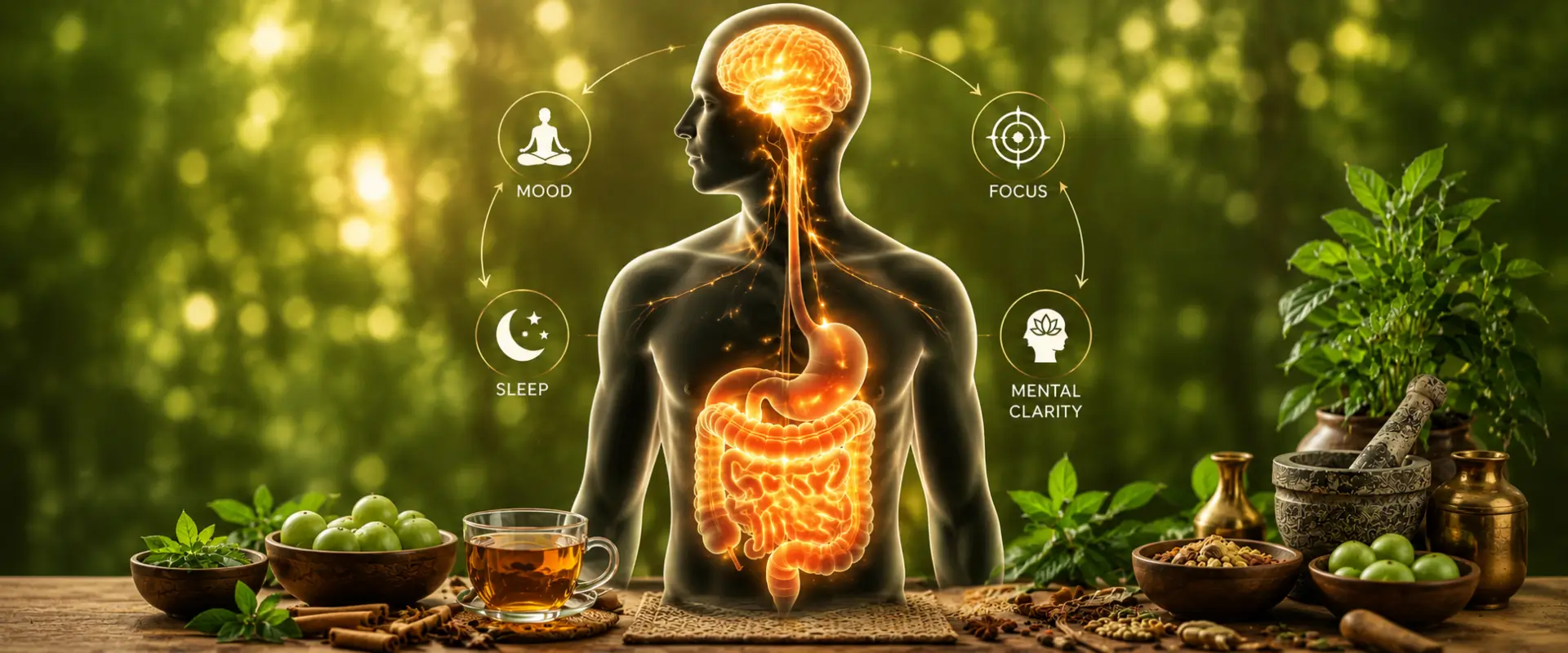
You have felt it, even if you never named it. The knot in your stomach before a difficult conversation. The way anxiety travels straight to your abdomen.