
Wellness Fatigue Is Real: Why People Are Putting Down Their Health Trackers
Quick answer: What is wellness fatigue? Wellness fatigue is the stress and exhaustion people feel when looking after their health turns into constant tracking, scoring and self-improvement. In 2026, the Global Wellness Summit named the backlash against this “over-optimization” a defining wellness trend. The fix is not less care, but less measuring and more listening to your body.
You wake up, and before you have even stretched, your ring has already graded your night. Sixty-eight. Recovery: low. Suddenly you feel tired, even though you felt fine a moment ago.
If that sounds familiar, you may be experiencing wellness fatigue, and you are not alone. Across the wellness world, people are quietly taking off their trackers, muting their streaks and asking a simple question: when did looking after myself start to feel like a second job?
This month, as the global wellness industry met in Phuket for the Global Wellness Summit, that question was everywhere. The industry now has a name for it: the over-optimization backlash. Here is what it means, why constant self-measurement can backfire, and how to keep the benefits of data without letting it run your life.
Key Takeaways
- Wellness fatigue is the exhaustion that comes from treating health as a performance to be scored, tracked and perfected.
- The Global Wellness Summit named the over-optimization backlash a defining trend of 2026, and it is now one of the most discussed ideas in wellness.
- Over-tracking can harm the very thing it measures. Orthosomnia, an unhealthy fixation on perfect sleep data, is now a recognized pattern among sleep researchers.
- The answer is not to throw data away. It is to measure wisely, review trends instead of daily scores, and trust your body’s signals again.
- At Swastik Wellbeing Sanctuary near Pune, clinicians read the numbers so guests can put their phones down and rest.
What Is the Over-Optimization Backlash?
The over-optimization backlash is a growing pushback against wellness that runs on scores, streaks and constant self-measurement. For about a decade, the message was that better health came from more data: more steps, more sleep metrics, more biomarkers. Many people now find that this approach leaves them more anxious, not more well.
The Global Wellness Summit put the shift at the center of its 2026 forecast. It predicted that the fastest-growing parts of wellness would favor “meaning over measurement”, as well as emotional release over clinical data. In other words, people still want to feel healthy. They just no longer want to audit themselves every hour to prove it.
Why Is Everyone Talking About Wellness Fatigue in 2026?
Wellness fatigue is growing because wellness itself has never been bigger, more personal or more measured. More products, apps and devices mean more numbers competing for our attention, and many people now feel they can never do enough.
| Statistic | What it shows | Source |
|---|---|---|
| $7.5 trillion | Size of the global wellness economy in 2025, a record high and nearly four times the global pharmaceutical industry | Global Wellness Institute, Nov 11, 2026 |
| 38% | U.S. consumers who say health and wellness is a core part of their identity | McKinsey via Glossy, Nov 4, 2026 |
| 64% | Americans who track at least one health metric every day | Naturepedic survey via ConsumerAffairs |
| 58% | Americans who feel overwhelmed by health advice and optimization trends | Naturepedic survey via ConsumerAffairs |
| More than 1 in 3 | People in the same survey who stopped using a tracker or app because it hurt their mental health | Naturepedic survey via ConsumerAffairs |
When wellness becomes part of who you are, a bad score can feel like a personal failure. That is the emotional core of wellness fatigue, and it explains why the conversation has spread so quickly. For a wider view of this year’s shifts, see our guide to wellness trends for 2026.
Can Health Tracking Be Bad for You?
Yes, for some people. Health data can help, but the trouble starts when the score becomes the goal instead of the health it is meant to reflect. Three patterns explain how that happens.
1. Orthosomnia: losing sleep over your sleep score. Researchers at Rush University and Northwestern University coined the term orthosomnia in a 2017 Journal of Clinical Sleep Medicine case study for people who become preoccupied with perfecting their sleep-tracker data. The worry itself makes sleep worse. A 2024 study of 523 adults estimated that it affects between 3% and 14% of people, depending on how strictly it is defined.
2. The score changes how you feel. Doctors point to studies in which people shown a falsely poor sleep score felt more tired the next day, even when their sleep had been normal. A number on a screen can override what your body is actually telling you.
3. Apps are built to keep you checking. Nearly two thirds of popular health apps use streaks, badges and leaderboards to keep people engaged. This can lead to repeated checking and a constant sense that you must keep improving. That pressure gets in the way of the rest and recovery the app was meant to support.
It also helps to remember what consumer devices do well and what they don’t. Most sleep trackers measure total sleep time fairly well, but they are far less reliable at classifying sleep stages. Many people are making daily decisions based on estimates. If you want to understand what deep sleep actually does for the brain, read our guide to glymphatic clearance and sleep.
The Ayurvedic View: Your Body Was Always the First Tracker
Long before wearables, Ayurveda read health through signals anyone can notice: the quality of your appetite and digestion (agni), how rested you feel on waking, the clarity of your mind and the steadiness of your energy. These signals are not less precise than an app. They are simply a different kind of information, and they are the information you feel. Modern science is catching up: research on the gut-brain axis shows how closely digestion is linked to mood, sleep and focus.
The goal of the backlash is not to reject science. It is to restore the balance between what the device says and what your body knows.
How Do You Use Health Data Without Wellness Fatigue?
The smartest response to wellness fatigue is not “no data.” It is the right data, read by the right people, at the right time. That is the principle behind how Swastik Wellbeing Sanctuary near Pune works.
- Assess once, properly. Every stay begins with a comprehensive health assessment before any therapy is prescribed. Measures such as heart rate variability (HRV) show how your nervous system is coping with stress.
- Let experts read the numbers. Doctors and therapists interpret your results and design your PROGRAM around them. You don’t have to decode a dashboard at 6 a.m.
- Then put the phone down. Once the plan is set, guests can step away from screens and live by rhythm instead of metrics: meals, movement, therapies and sleep at steady times. Our Digital Detox PROGRAM is built around exactly this.
- Look at the trend, not the night. Progress is reviewed over the course of your stay, not judged by a single score. One bad night means very little; the pattern over weeks is what matters.
This is the middle path between obsessive tracking and guesswork. Data informs the plan, and then your body does the healing without being graded every hour. Much of that healing happens through the nervous system; our article on the vagus nerve and stress explains why calm, not pressure, drives repair.
How to Beat Wellness Fatigue: 7 Ways to Step Back From Over-Tracking
- Check in with yourself before the app. On waking, rate your own energy, mood and digestion first. Then look at the data, if you still want to.
- Review weekly, not daily. A single night or day is noise. Look at your averages once a week instead.
- Keep one metric that matches one goal. If better sleep is your goal, keep sleep duration and drop the rest for now.
- Turn off streaks and badges. Mute the notifications designed to keep you checking. Your health does not reset at midnight.
- Build habits, not scores. You cannot force more deep sleep, but you can keep a consistent bedtime, which you control and which supports health on its own. A 2024 study of more than 60,000 people in the journal SLEEP found that sleep regularity predicted mortality risk more strongly than sleep duration.
- Follow a daily rhythm. Ayurveda’s dinacharya, a steady routine for waking, eating, moving and sleeping, offers structure without a dashboard. Classical texts such as the Charaka Samhita start that routine with a fixed waking time. Short daily practices like meditation for lowering cortisol fit easily into it.
- Notice the warning signs. If you feel anxious when you forget your device, or a low score ruins your morning, take a break from tracking. If the anxiety continues, talk to a professional.
Can a Wellness Retreat Help With Wellness Fatigue?
Yes, because sometimes the easiest way to break a habit of constant checking is to step into a place designed for the opposite. At Swastik’s 51-acre sanctuary in Peacock Valley, near Pune, the day is shaped by nature and rhythm, not notifications.
- The Stress and Emotional Balance PROGRAM helps calm a nervous system that has been running on alert.
- The Sleep Optimization PROGRAM rebuilds natural sleep through routine, therapies and environment, not nightly scores.
- Ayurveda Panchakarma offers a deeper reset for body and mind.
- Quiet spaces such as Dhyan Vihar, our meditation sanctuary, give the mind room to slow down.
If you want to understand the idea of doing less, read our guide to the calmcation. To see what a break from screens does to the brain, read 72-Hour Digital Detox.
Ready to stop measuring and start feeling well? Contact our team to find the PROGRAM that fits you, or browse all our wellness PROGRAMS.
Frequently Asked Questions
What is wellness fatigue?
Wellness fatigue is the stress and exhaustion that come from treating health as something to constantly track, score and improve. Common signs include feeling overwhelmed by health advice, anxiety about metrics and a sense that self-care has become a chore.
What is the over-optimization backlash?
It is a shift away from data-driven, performance-focused wellness toward approaches built on rest, connection, enjoyment and body awareness. The Global Wellness Summit named it a defining trend of 2026.
What is orthosomnia?
Orthosomnia is a preoccupation with achieving perfect sleep-tracker data. The anxiety it creates can make sleep worse, even when a person’s sleep is objectively normal.
Should I stop wearing my fitness tracker?
Not necessarily. A tracker can be useful if you look at long-term trends and it does not make you anxious. If it affects your mood or sleep, take a break or track fewer metrics.
Does Swastik Wellbeing use health data?
Yes. Each stay begins with a comprehensive assessment, which can include HRV testing. Clinicians interpret the results and design your PROGRAM, so you can focus on rest instead of numbers.
Is wellness fatigue the same as burnout?
No, but they overlap. Burnout usually comes from long-term work stress. Wellness fatigue comes from the pressure of self-care itself: too many metrics, routines and goals. Both can leave you exhausted, and both improve with real rest. Read more about executive burnout recovery.
What are the signs that a health tracker is hurting me?
Warning signs include checking your score before noticing how you feel, a low score ruining your mood, feeling anxious when you forget the device, and losing sleep while trying to improve sleep data. If you notice these signs, take a break from tracking.
About Dr. Nitin
Designation: Consultant – Naturopathy & Acupuncture
Qualification: CCIM – NIMHANS Certified
Experience: 4+ Years
Specialisation: Naturopathy, Acupuncture, Holistic Healing, Integrative Therapies, Personalised Wellness Programmes
Dr. Nitin is a Naturopathy Physician and certified Acupuncturist with over 4 years of clinical and wellness experience. His expertise lies in holistic healing, integrative therapies, and personalised wellness programmes that promote long-term health and vitality.
Related Blogs
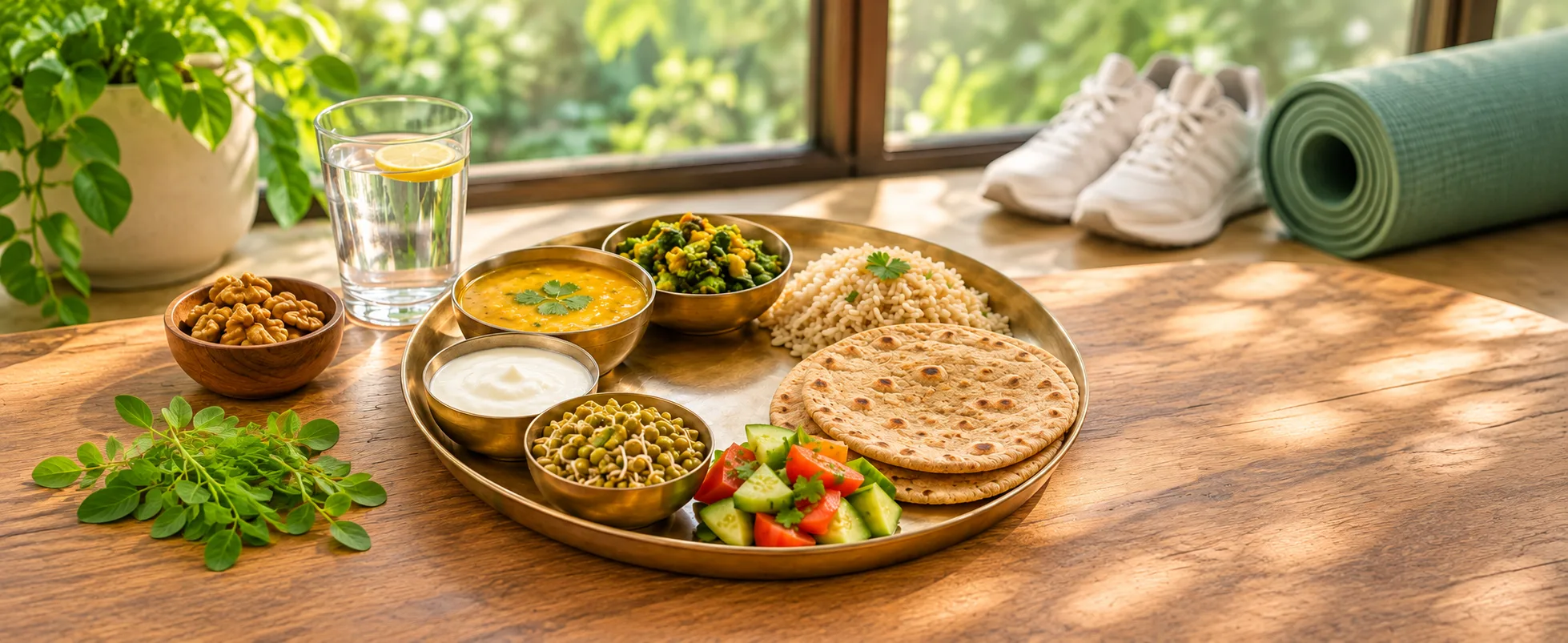
Prediabetes reversal means bringing blood sugar back from the prediabetes range (HbA1c 5.7–6.4%) to the normal range (below 5.7%).

Natural pain management is a drug-sparing approach to joint and back pain that works with the body's own repair processes: movement, inflammation control, nervous system regulation, sleep and nutrition.

Chronic inflammation is often silent. Learn its common signs, what keeps it switched on, how the hs-CRP test is read, and how the body is designed to resolve inflammation naturally.

Mitochondria turn food and oxygen into the energy every cell runs on. Learn how they work, why their output falls with age, and the evidence-based habits that help keep them healthy.

Rasayana therapy is the branch of Ayurveda devoted to rejuvenation, using diet, herbs, daily conduct and rest to nourish the tissues, usually after purification.
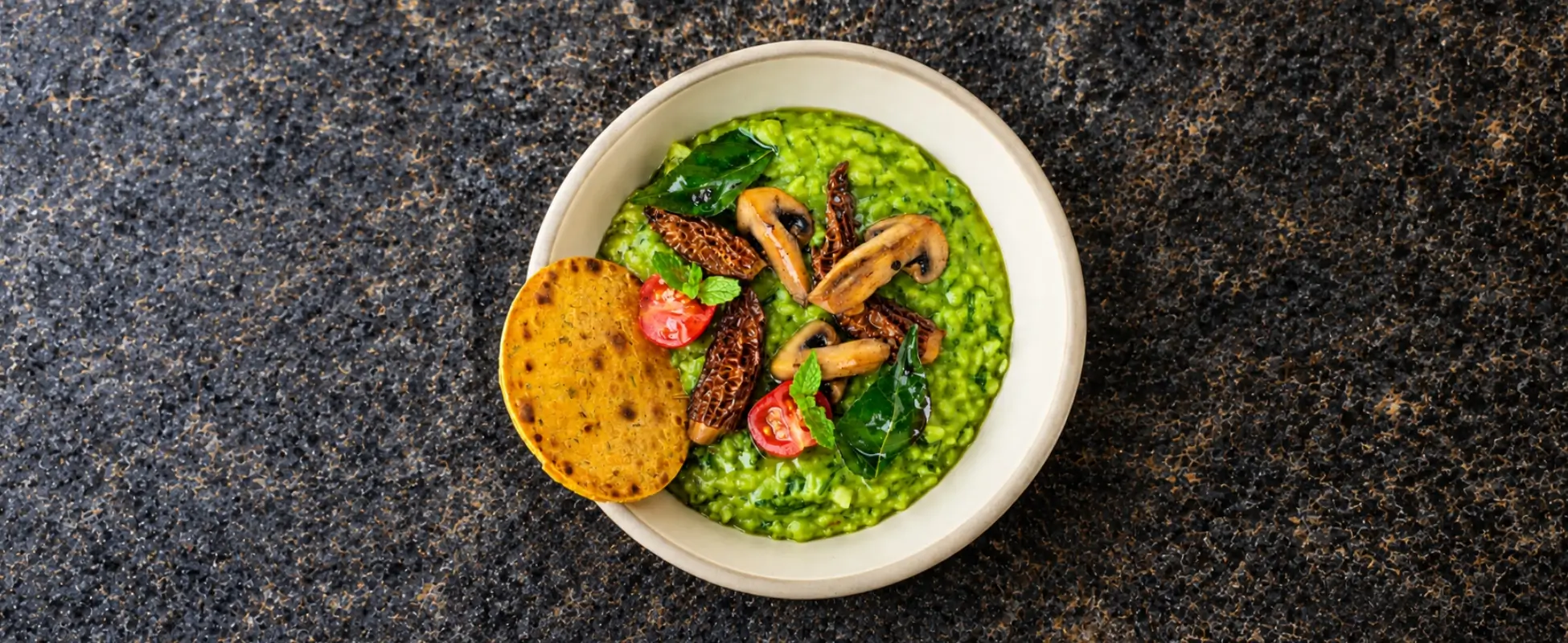
A Diwali detox is a short, gentle reset of simple meals, hydration, sleep and movement that helps the body recover from festive excess, without juice cleanses or extreme fasting.

Preventive health aims to stop or catch disease early, longevity aims to extend healthspan, and regenerative wellness aims to restore the body's capacity to repair and recover.

Regenerative wellbeing is an approach to health that works to restore the body's own capacity to repair, renew and adapt, instead of only relieving symptoms or lowering future risk.

Sardinemaxxing is the practice of deliberately eating sardines far more often than usual, sometimes daily and sometimes exclusively, to capture their omega-3s.