
HRV Testing at Wellness Retreats: What Your Heart Rate Tells You About Your Stress
Key takeaways
- HRV (heart rate variability) is the variation in time between consecutive heartbeats — a direct, honest signal of nervous-system health.
- Higher HRV generally means a resilient, well-regulated system; consistently low HRV reflects chronic stress or burnout.
- There is no single “good” number — what matters is your personal baseline and its trend.
- HRV is trainable: breathwork, sleep, Ayurvedic therapies and nutrition measurably improve it.
- At Swastik Wellbeing near Pune, HRV is measured on arrival and used to design a personalised programme — with change captured in data by the end of your stay.
If someone asked you to describe your stress level, you would probably answer with a number between one and ten, or a vague word like ‘a lot.’ But your heart knows better. It has been keeping a far more precise record.
Heart Rate Variability — HRV — is the measurement of the variation in time between consecutive heartbeats. In a healthy, well-regulated nervous system, those intervals vary. In a stressed, depleted, or dysregulated system, they become monotonously uniform.
That variation (or its absence) is one of the most honest signals your body produces, and it sits at the heart of how we design our wellness programmes at Swastik — personalising healing rather than guessing at it.
Why HRV Matters More Than You Think
Your autonomic nervous system has two modes: sympathetic (fight-or-flight) and parasympathetic (rest-and-digest). High HRV indicates that your parasympathetic system is robust — you can activate it quickly after stress, returning to baseline with ease. Low HRV indicates chronic sympathetic dominance: the body stuck in a low-grade emergency it cannot turn off.
Low HRV is associated with cardiovascular disease, metabolic disorders, poor sleep quality, immune suppression, impaired cognitive function, and accelerated cellular ageing. It is, in measurable biological terms, what burnout looks like inside the body. Guests arriving for our nervous system recovery programme often present with precisely this pattern — chronically low HRV masked by years of high performance.
Importantly, HRV is trainable. Yoga, pranayama, meditation, Ayurvedic therapies, adequate sleep, and anti-inflammatory nutrition all measurably improve HRV — which is why a well-designed wellness retreat does not just feel restorative; it produces measurable physiological change. This is the foundation of our approach to cellular vitality and longevity — precision-led healing that shows up in data, not just in how you feel.
What Is a Good HRV Score?
There is no universal “good” HRV number. Healthy values vary widely with age, fitness, genetics and how the reading is taken, so comparing your figure to someone else’s is rarely useful. What matters is your own baseline and its direction of travel: a rising HRV over days and weeks signals improving parasympathetic recovery, while a falling trend suggests accumulating stress or under-recovery. This is precisely why we interpret HRV alongside a clinician rather than treating any single reading as a verdict.
HRV Testing at Swastik Wellbeing
At Swastik Wellbeing Sanctuary near Pune, HRV assessment is part of every guest’s arrival diagnostic — alongside Body Composition Analysis, Anthropometry, and Vital Data mapping. This is not a formality. It is the foundation on which your personalised programme is built.
A Swastik physician reviews your HRV data alongside your health history and goals to determine which therapies, activities, and nutritional protocols will most effectively restore your nervous system.
A guest with very low HRV arriving in a state of acute burnout receives a markedly different programme than one who is broadly healthy but seeking optimisation — perhaps a dedicated stress and emotional balance pathway, or a combination of Ayurvedic therapies within our tranquil Ayu Vihar healing space, often paired with our deep cellular cleansing protocol where metabolic load is compounding the strain on the nervous system. The retreat is tailored, not templated.
By the final day of your stay, many guests repeat the HRV assessment and observe the change — a shift from sympathetic dominance to parasympathetic recovery, captured in data, not just reported as a feeling.
Curious what your HRV would reveal? Every stay begins with a physician-led diagnostic. Enquire about a diagnostic arrival assessment →
What Improves HRV? The Swastik Protocol
Four evidence-led interventions do most of the work in raising heart rate variability. At Swastik, they are combined and sequenced around your diagnostic results.
1. Breathwork & Pranayama
Pranayama and breathwork directly stimulate the vagus nerve — the primary highway of parasympathetic activation. Slow, diaphragmatic breathing at 4–6 breaths per minute (resonance breathing) produces the largest measurable HRV improvements of any intervention studied. Sessions of this kind take place within Dhyan Vihar, our dedicated meditation and breathwork space, set against the mountains and reservoir at Khadakwasla.
2. Ayurvedic Therapies — Abhyanga & Shirodhara
Abhyanga (full-body warm oil massage) activates skin mechanoreceptors that signal safety to the nervous system, reducing cortisol and increasing oxytocin. Shirodhara — the continuous flow of warm medicated oil on the forehead — produces a deeply meditative state that measurably shifts brainwave activity toward alpha and theta patterns. Both are central to our Ayurveda Panchakarma programme, which also incorporates deep cellular cleansing that supports HRV recovery at a systemic level.
3. Restorative Sleep
Sleep is perhaps the most powerful HRV intervention of all. Swastik’s sleep optimisation programme combines circadian rhythm alignment, anti-inflammatory evening meals, technology-free hours, and sleep-supportive therapies to restore the deep sleep architecture where HRV recovery primarily occurs.
4. Clinical Oversight for Cardiovascular Risk
Guests with cardiovascular risk markers benefit from the additional oversight within our cardiac wellness programme, where HRV tracking informs exercise prescription, dietary protocols, and stress management therapies throughout the stay.
The Future of Personalised Wellness
HRV testing represents a broader shift in luxury wellness: from intuition to precision, from generic programmes to biologically personalised ones. The best retreats in 2026 are not selling relaxation as a product — they are delivering measurable physiological transformation, with diagnostics as the starting point and evidence as the outcome. Explore our full range of wellness insights on the Swastik blog to understand the science behind every therapy we offer.
Senior leaders often arrive with the lowest HRV of all — read how HRV-guided diagnostics anchor our corporate wellness retreat for CXOs and executives.
If you have been told you need rest but have never been shown what rest looks like in your body’s own language, HRV testing is where that conversation begins.
Frequently Asked Questions About HRV Testing
What is heart rate variability (HRV)?
Heart rate variability is the variation in time between consecutive heartbeats. Higher variability generally signals a well-regulated, resilient nervous system, while consistently low variability reflects chronic stress or fatigue.
What is a good HRV score?
There is no single “good” number — HRV varies by age, fitness and genetics. What matters is your personal baseline and its trend. A rising HRV over time indicates improving parasympathetic recovery; a falling trend suggests accumulating stress or under-recovery.
How is HRV measured at a wellness retreat?
At Swastik Wellbeing near Pune, HRV is assessed as part of every guest’s arrival diagnostic, alongside Body Composition Analysis and vital-data mapping. A physician reviews the results with your health history to design a personalised programme.
Can HRV be improved, and how quickly?
Yes. HRV is trainable. Resonance breathing at 4–6 breaths per minute, meditation, restorative sleep, Ayurvedic therapies such as Abhyanga and Shirodhara, and anti-inflammatory nutrition all measurably raise HRV, with shifts often visible within a structured multi-day stay.
Does a wellness retreat actually change HRV?
A well-designed retreat produces measurable physiological change, not just relaxation. Many Swastik guests repeat the HRV assessment by the final day and see a shift from sympathetic dominance toward parasympathetic recovery, captured in data.
Is low HRV a sign of stress or illness?
Persistently low HRV is associated with chronic stress and burnout, and is linked in research to cardiovascular, metabolic, sleep and immune concerns. It is best interpreted alongside a clinician rather than as a standalone diagnosis.
Diagnostic-Led Wellness at Swastik
Every Swastik programme begins with a comprehensive arrival assessment including HRV, BCA, and physician consultation. Your healing is not guessed — it is designed. Enquire and book your stay →
About Dr. Feba Jos A.
Designation: Consultant – Naturopathy
Qualification: BNYS (Bachelor of Naturopathy and Yogic Sciences)
Experience: 8+ Years
Specialisation: Acupuncture, Lifestyle Disease Management, Gut Health, Naturopathy, Holistic Wellness
Dr. Feba Jos A. is a Consultant in Naturopathy with over 8 years of experience in clinical practice and academics. A graduate of SRKMCNYS, Tamil Nadu, she specialises in acupuncture, lifestyle disease management and gut health, following an evidence-informed, holistic approach to restoring long-term health and wellbeing.
Related Blogs
Sardinemaxxing is the practice of deliberately eating sardines far more often than usual, sometimes daily and sometimes exclusively, to capture their omega-3s.
Financial wellbeing is not simply about having more money. It is about having a sense of security, control, resilience and confidence around your financial life.
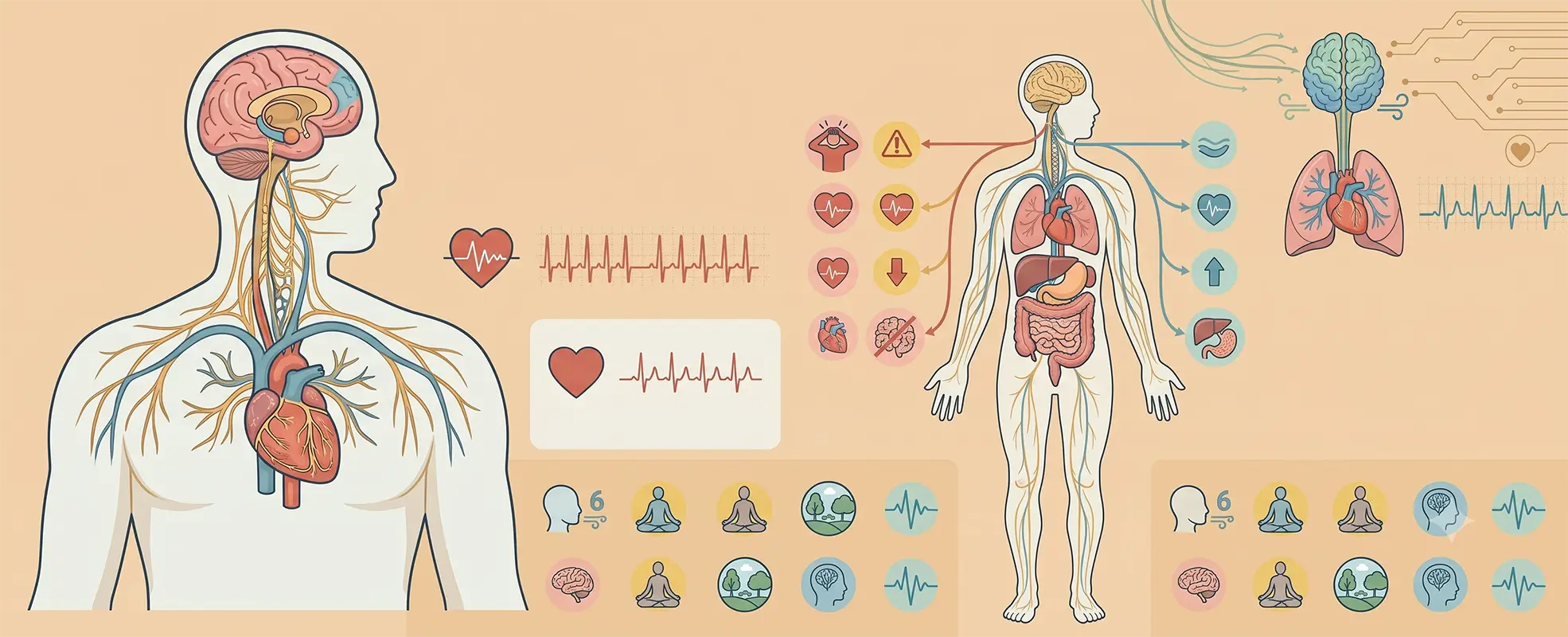
The vagus nerve is the main nerve of the parasympathetic nervous system, forming a two-way communication line between the brain and the heart, lungs and digestive tract.
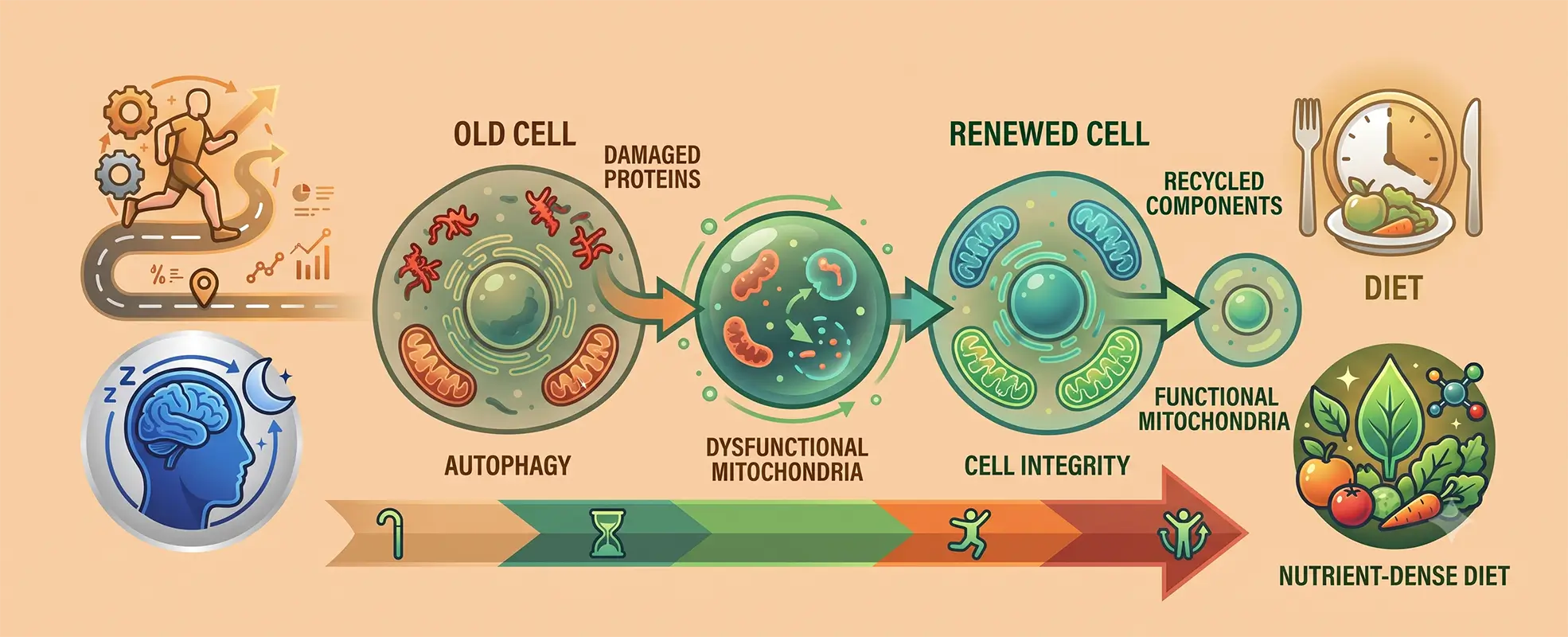
Autophagy is the body's cellular recycling system. Cells identify damaged proteins and dysfunctional mitochondria, break them down, and reuse the components.
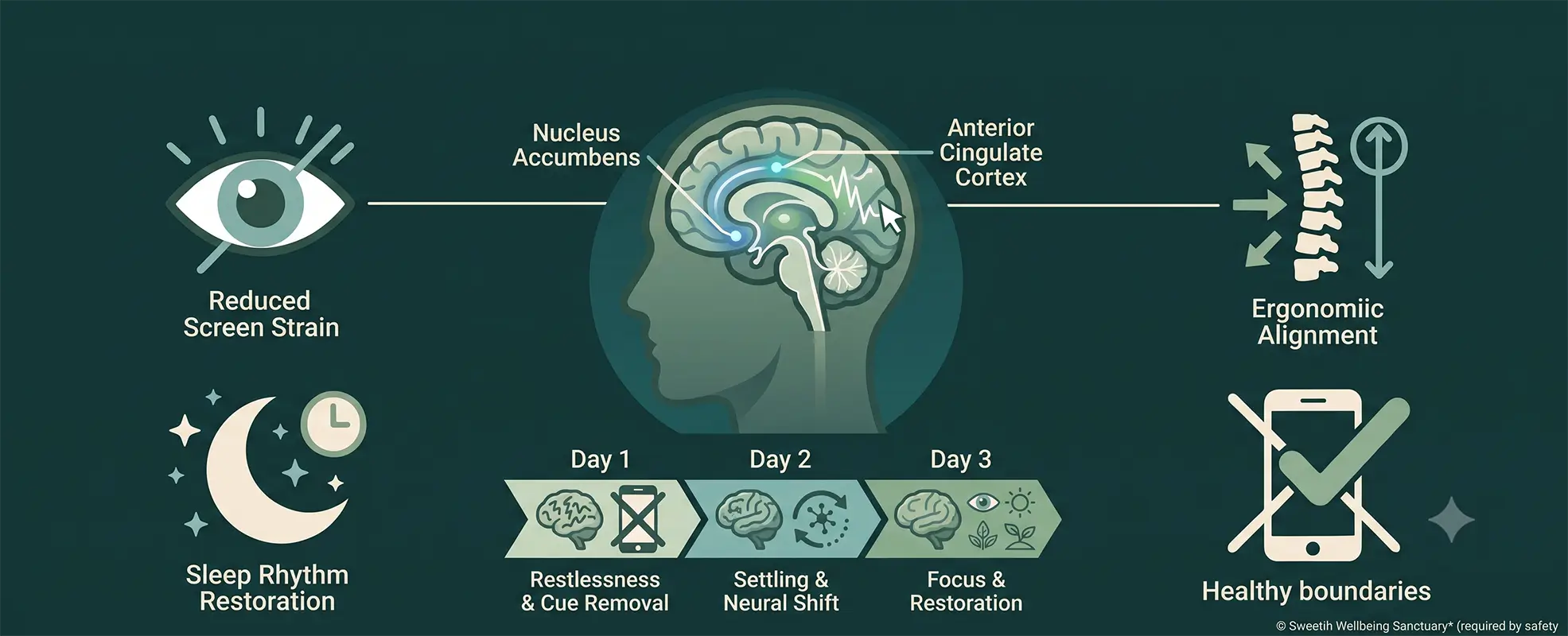
A 72-hour digital detox is a three-day period in which smartphone use is cut back to essentials, with recreational scrolling removed entirely
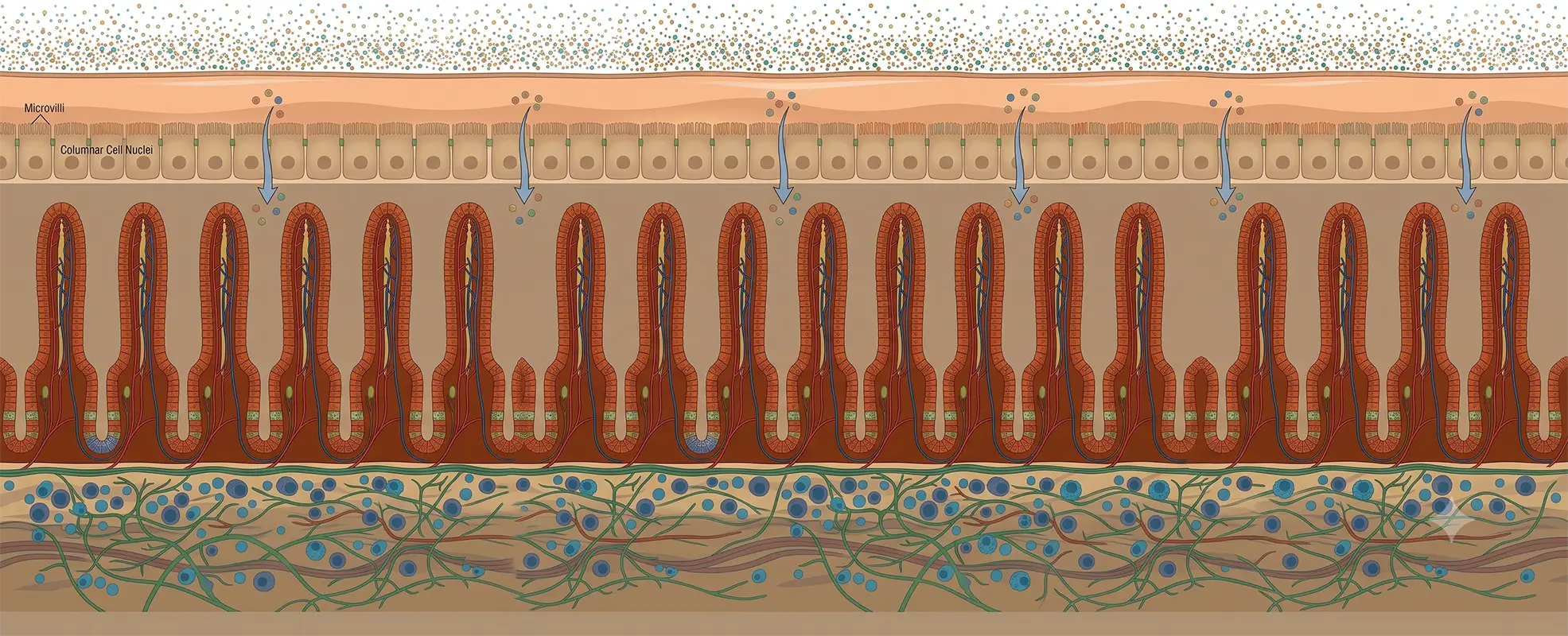
The intestinal epithelium is the most rapidly renewing tissue in the human body, and gut lining regeneration replaces the entire lining
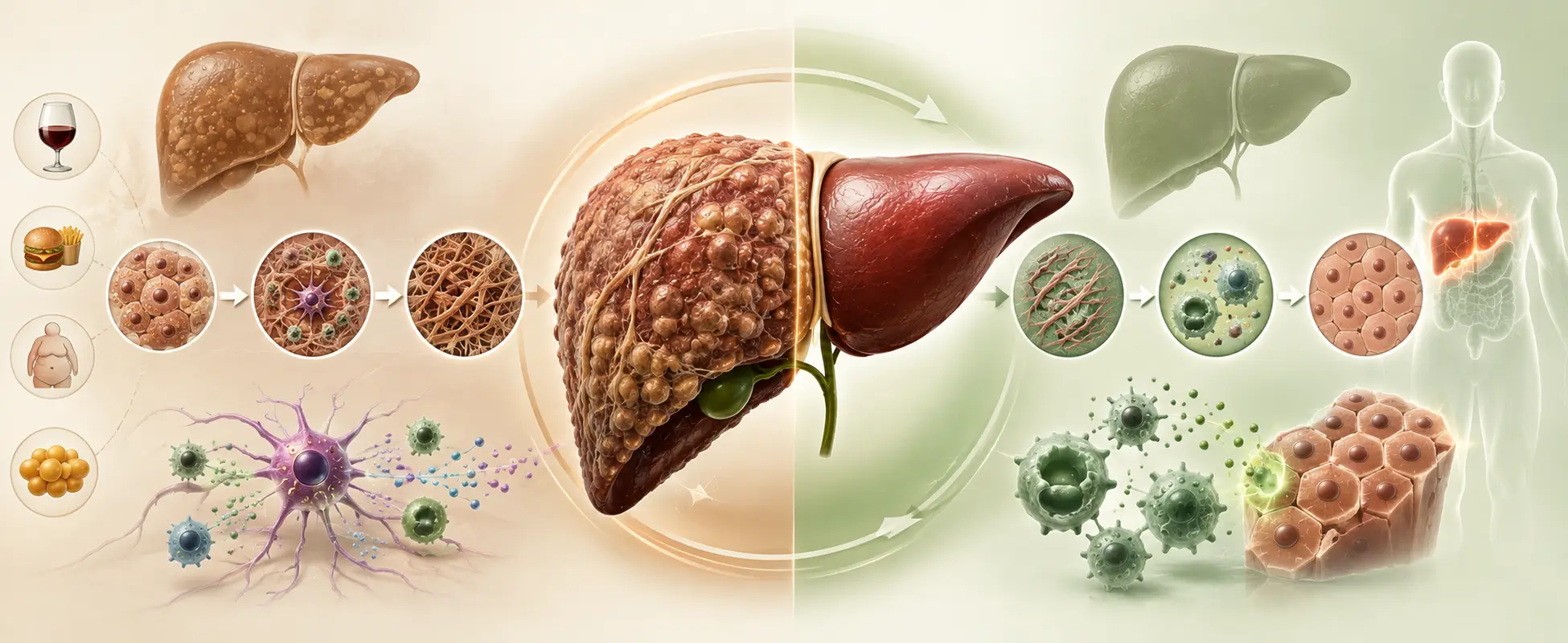
The liver is the only internal human organ capable of substantial regeneration after significant tissue loss.
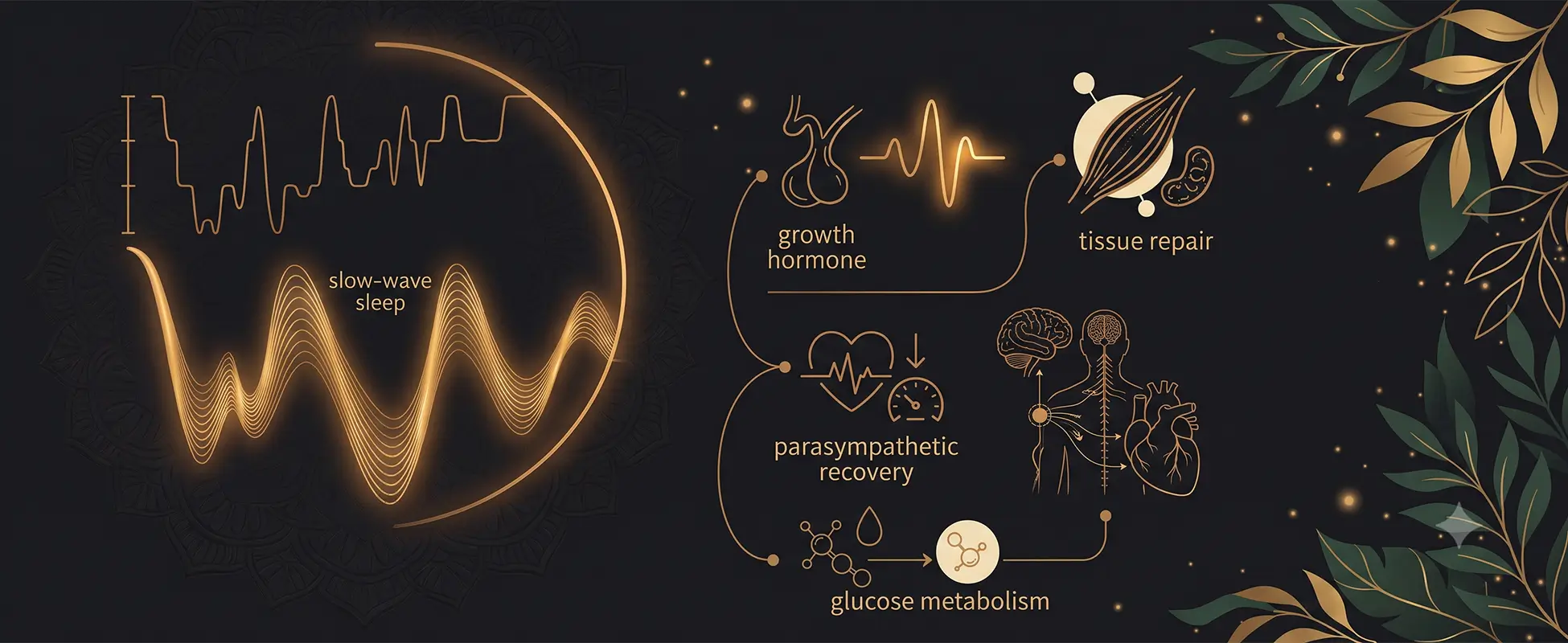
Sleep optimisation is the practice of protecting sleep architecture - the proportion of deep and REM sleep...
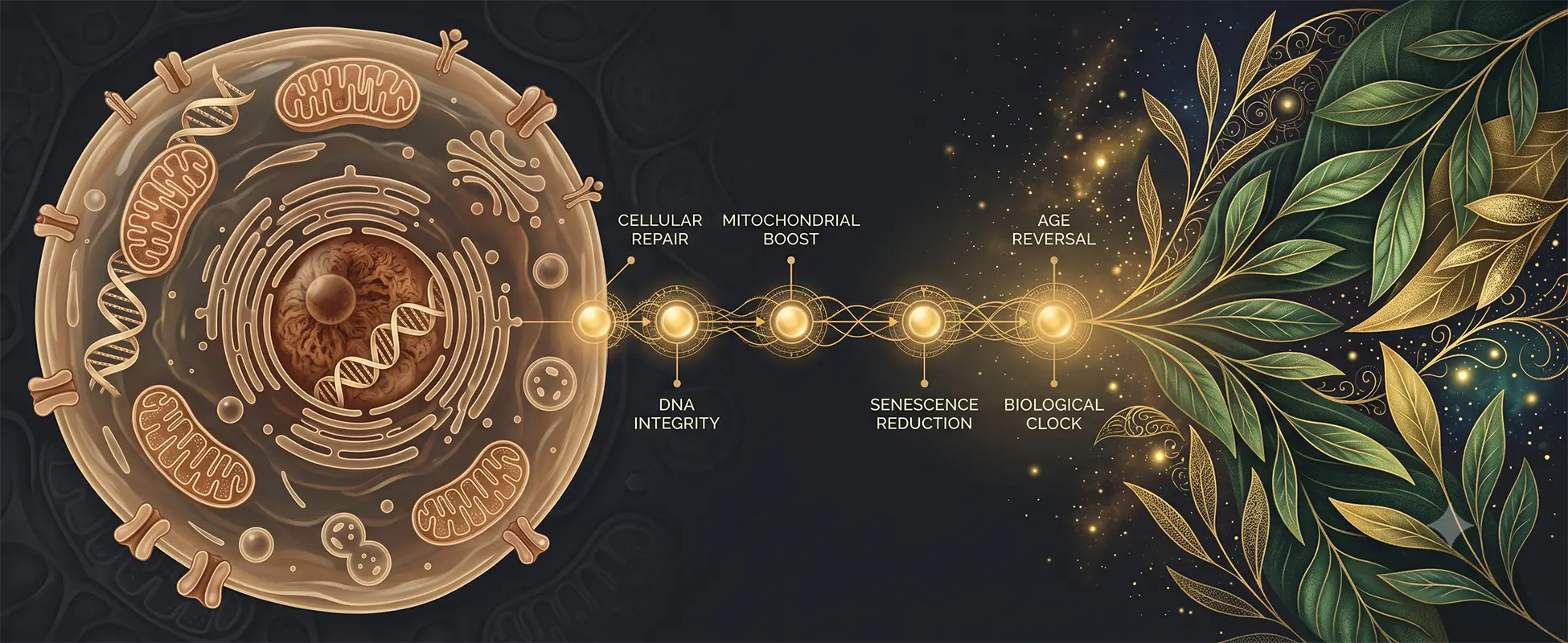
The hallmarks of ageing are the cellular and molecular processes that drive biological ageing...