
Ayurveda Panchakarma
Healing
14 | 21 Nights
A Regenerative Approach to Ayurvedic Panchakarma & Whole-Person Wellbeing
A personalised Panchakarma journey guided by Ayurvedic assessment, individual suitability and the treating physician’s recommendations.
Our regenerative philosophy
Ayurvedic Panchakarma is traditionally structured around the individual’s constitution, current state of balance, digestive function and clinical suitability. The process and sequence should be guided by a qualified Ayurvedic physician.
The programme brings together Ayurvedic consultations and procedures with supportive nutrition, movement, rest and mindful practices, with the sequence adapted to the individual and the duration of stay.
Restore. Rebalance. Regenerate.
Panchakarma is a guided process, not a one-size-fits-all sequence. Assessment, preparation, therapeutic care and post-treatment guidance each have a role in the journey.
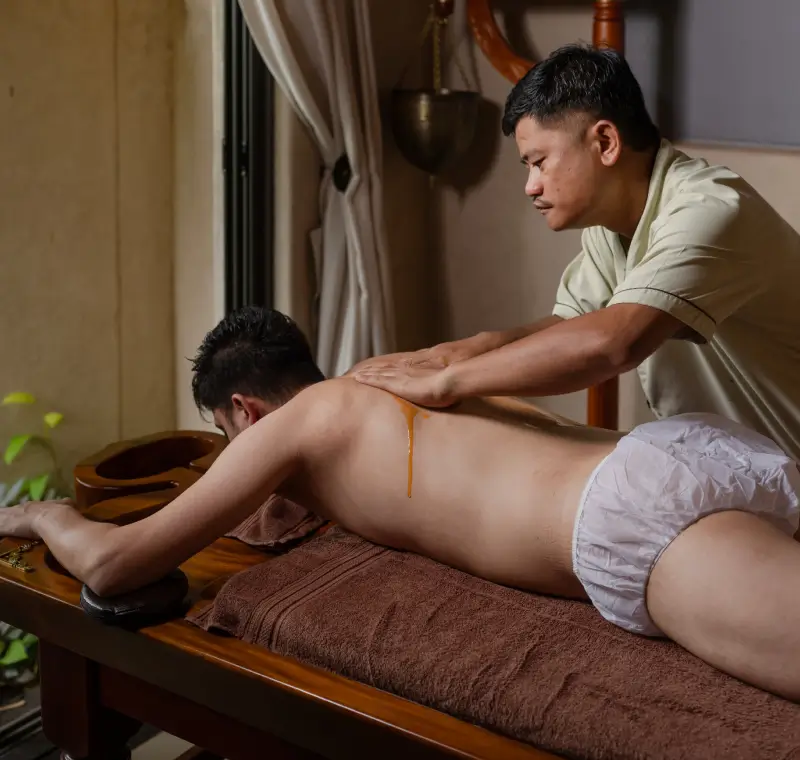
The Regenerative Approach
Six Drivers. One Regenerative Journey.
Lasting transformation begins when the right conditions come together. These six drivers are adapted to the purpose of this programme and work together to shape a personalised journey.
01
Nourish with Intention
Food and daily-routine guidance follow the treating physician’s recommendations.
02
Support Physical Vitality
Suitable movement and yoga are adapted to the individual’s condition and stage of care.
03
Regulate & Recover
Rest, breathwork and restorative practices support the daily rhythm of the programme.
04
Restore Digestive Balance
Ayurvedic assessment considers Agni and dosha balance when planning care.
05
Reset Daily Rhythms
Routines are shaped around treatment, rest and individual guidance.
06
Build Sustainable Wellbeing
Post-treatment advice supports continuity after the stay.
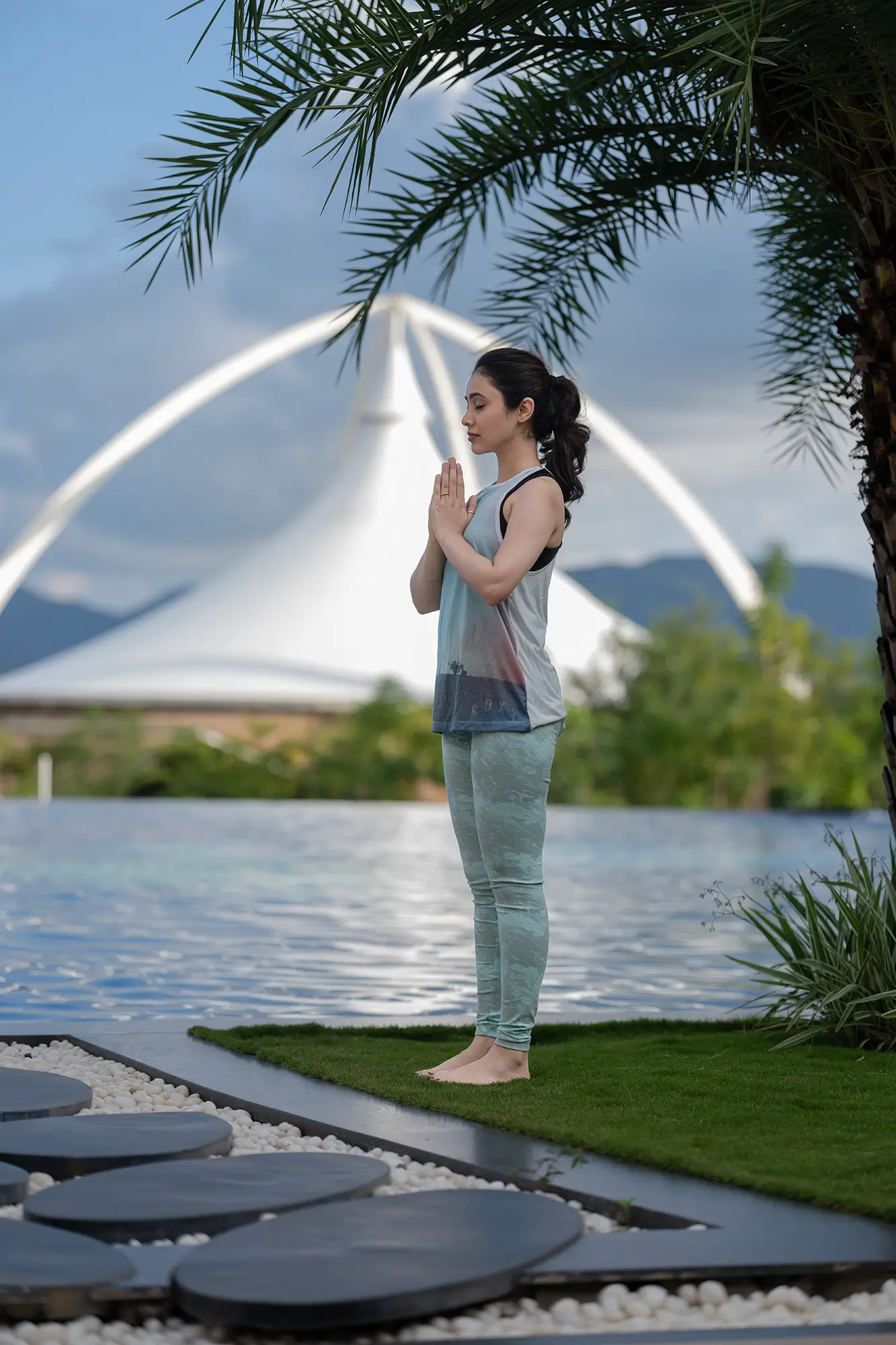
Curated for You
A Personalised Path to Sustainable Change
Designed for guests seeking a physician-guided Ayurvedic Panchakarma experience, subject to clinical assessment and suitability.
Three Stages of Regeneration
A Journey That Deepens With Time
Every journey is personalised to the individual. The 7, 14 and 21-night programmes allow progressively deeper levels of support, with duration guided by individual needs, goals and clinical suitability.
7Nights
Regenerative Essence
Begin with assessment and a physician-selected core sequence appropriate to the guest.
14Nights
Regenerative Elevation
Allow additional time for the planned treatment sequence, monitoring and adjustment.
21Nights
Regenerative Transformation
Provide an extended period for the physician-guided sequence and post-treatment integration, when appropriate.
Our offerings
A journey that deepens by design.
Every element is tailored to the individual. Nutrition advice, medicines, supplements, nutraceutical guidance, physiotherapy and psychological support may be included where clinically appropriate.
| Treatment | Duration | Sessions | Classical Stage |
|---|---|---|---|
| Doctor Consultation & Nadi Pariksha (Pulse Diagnosis) | 45 min | Day 1, Day 7, Day 14 | Purvakarma / Paschatkarma |
| Prakriti–Vikriti & Agni (Digestive Fire) Assessment | 30 min | 1 | Purvakarma |
| Deepana–Pachana (Digestive Preparation, Internal Herbs) | Daily, internal | 3–4 days | Purvakarma |
| Snehapana (Internal Oleation with Medicated Ghee) | Morning dose | 3–5 mornings, graded | Purvakarma |
| Abhyanga (Full-Body Medicated Oil Massage) | 60 min | 9–11 | Purvakarma / Pradhanakarma |
| Swedana (Herbal Steam Sudation) | 20 min | 9–11, following Abhyanga | Purvakarma / Pradhanakarma |
| Virechana (Therapeutic Purgation, Physician-Guided) | Course, 1 day + rest | 1 | Pradhanakarma |
| Basti (Kashaya & Sneha Vasti, Yoga Basti Course) | 30 min | 6–8, course | Pradhanakarma |
| Nasya (Nasal Administration of Medicated Oil) | 20 min | 3–5 | Pradhanakarma |
| Vamana (Therapeutic Emesis)* | Course, half-day | 0–1, only if indicated | Pradhanakarma |
| Raktamokshana (Blood-Letting Therapy)* | 30 min | 0–1, only if indicated | Pradhanakarma |
| Shirodhara (Continuous Oil Pouring on the Forehead) | 45 min | 3–4 | Pradhanakarma |
| Takradhara (Medicated Buttermilk Pouring) | 45 min | 2–3 | Pradhanakarma |
| Pizhichil (Warm Oil Bath Massage)* | 60 min | 0–3, if indicated | Pradhanakarma |
| Njavarakizhi (Medicated Rice-Bolus Massage)* | 45 min | 0–3, if indicated | Pradhanakarma |
| Kati / Greeva / Janu Basti (Local Oil Pooling)* | 30–45 min | 0–4, if indicated | Pradhanakarma |
| Udvartana (Herbal Powder Massage) | 45 min | 2–3 | Pradhanakarma |
| Samsarjana Krama (Graded Diet Reintroduction) | Daily, dietary | Days 11–14 | Paschatkarma |
| Rasayana (Internal Rejuvenation Formulation) | Daily, internal | Days 11–14 and take-home | Paschatkarma |
Programme-specific duration and clinical sequence
This programme is offered as a single, complete duration: 14 nights. A genuine Panchakarma requires a minimum of 14 days for the three classical stages — Purvakarma, Pradhanakarma and Paschatkarma — to unfold in full. Shorter protocols of three to seven nights can offer a gentle, preparatory cleanse, but they close before the elimination and rejuvenation stages can be safely completed; they are a different, lighter offering and are not part of this programme.
Across the 14 nights, the body is first prepared to release toxins safely, then taken through the elimination procedures indicated for the individual, and finally guided back to a stable digestive and dietary baseline so the gains are carried home rather than lost at checkout.
Stage1
Purvakarma (Preparation) · Days 1–3
Doctor consultation, Nadi Pariksha and Prakriti–Vikriti assessment establish the individual’s constitution and current imbalance. Deepana–Pachana (digestive kindling) and graded Snehapana (internal oleation with medicated ghee) loosen deep-seated toxins, supported daily by Abhyanga (oil massage) and Swedana (herbal steam) to move them toward the gastrointestinal tract for elimination.
Stage2
Pradhanakarma (Elimination) · Days 4–10
The physician-selected elimination procedures are administered: Virechana (purgation) and/or a Basti (medicated enema) course form the core of most protocols, with Nasya, Vamana or Raktamokshana added only where clinically indicated. Shirodhara, Takradhara and, where appropriate, Pizhichil, Njavarakizhi or local Basti therapies support the nervous system and joints through this intensive phase.
Stage3
Paschatkarma (Rejuvenation & Reintegration) · Days 11–14
Samsarjana Krama gradually reintroduces solid food in a physician-supervised sequence to protect the digestive fire that has just been restored. Rasayana formulations support tissue rejuvenation, Udvartana (herbal powder massage) tones the body, and a final physician review closes the stay with a personalised take-home Panchakarma and nutrition plan.
Treatment Inclusions — 14-Night Protocol
Every inclusion below is a classical Ayurveda or Panchakarma procedure; the exact selection and number of sessions are set by the treating physician against the guest’s constitution and day-to-day response. Items marked * are administered only where clinically indicated and are not given to every guest.
Our Ayurvedic Diagnostics:
- 1Panchakarma Assessment Protocol
- 2Prakriti (natural constitution) and Vikriti (current imbalance) assessment
- 3Nadi Pariksha (pulse diagnosis)
- 4Agni (digestive fire) evaluation
- 5Dosha imbalance mapping (Vata, Pitta, Kapha)
- 6Jihva Pariksha (tongue examination)
- 7Mala Pariksha (bowel and stool assessment)
- 8Ama (toxin load) assessment
- 9Weight, BMI and vital signs
- 10Optional laboratory markers (liver and kidney function) where medically appropriate
- 11Mid-stay and pre-departure physician review
OUR APPROACH
How the Program Works, Medically, on Detoxification
Classical Panchakarma works by taking the body through its purification cycle in the correct order — nothing in this programme substitutes for that sequence, and no stage is skipped or compressed.
Diagnostics run through every stage rather than sitting only at intake: doctor consultation, pulse diagnosis and Agni evaluation establish the baseline and are re-checked through the stay, so the physician adjusts the protocol against the guest’s actual response rather than a fixed template.
Measuring Your Regenerative Journey
Transformation is personal. Progress should be understood.
Your journey is guided by relevant assessments that help the team understand your starting point and review progress. Assessments are selected according to individual needs and clinical suitability.
Panchakarma Assessment Protocol:
- 1Prakriti (natural constitution) and Vikriti (current imbalance) assessment
- 2Nadi Pariksha (pulse diagnosis)
- 3Agni (digestive fire) evaluation
- 4Dosha imbalance mapping (Vata, Pitta, Kapha)
- 5Jihva Pariksha (tongue examination)
- 6Mala Pariksha (bowel and stool assessment)
- 7Ama (toxin load) assessment
- 8Weight, BMI and vital signs
- 9Optional laboratory markers (liver and kidney function) where medically appropriate
- 10Mid-stay and pre-departure physician review
The Regenerative Wellbeing Framework
Five Pathways. One Journey Towards Renewal.
Each pathway addresses a vital dimension of wellbeing while working in harmony with the others. Relevant assessments and personalised interventions are integrated throughout the journey, allowing the experience to evolve with the individual and support meaningful progress.
The Journey Within
Every element has a purpose.
Every experience connects.
Regeneration happens when the right elements come together at the right time. From personalised insights and nourishment to movement, therapeutic care and moments of stillness, your experience is thoughtfully orchestrated around your body, your needs and your capacity for change.
The aim is not to offer more treatments, but to create a more meaningful journey, one that supports lasting change in the way you feel, function and live.
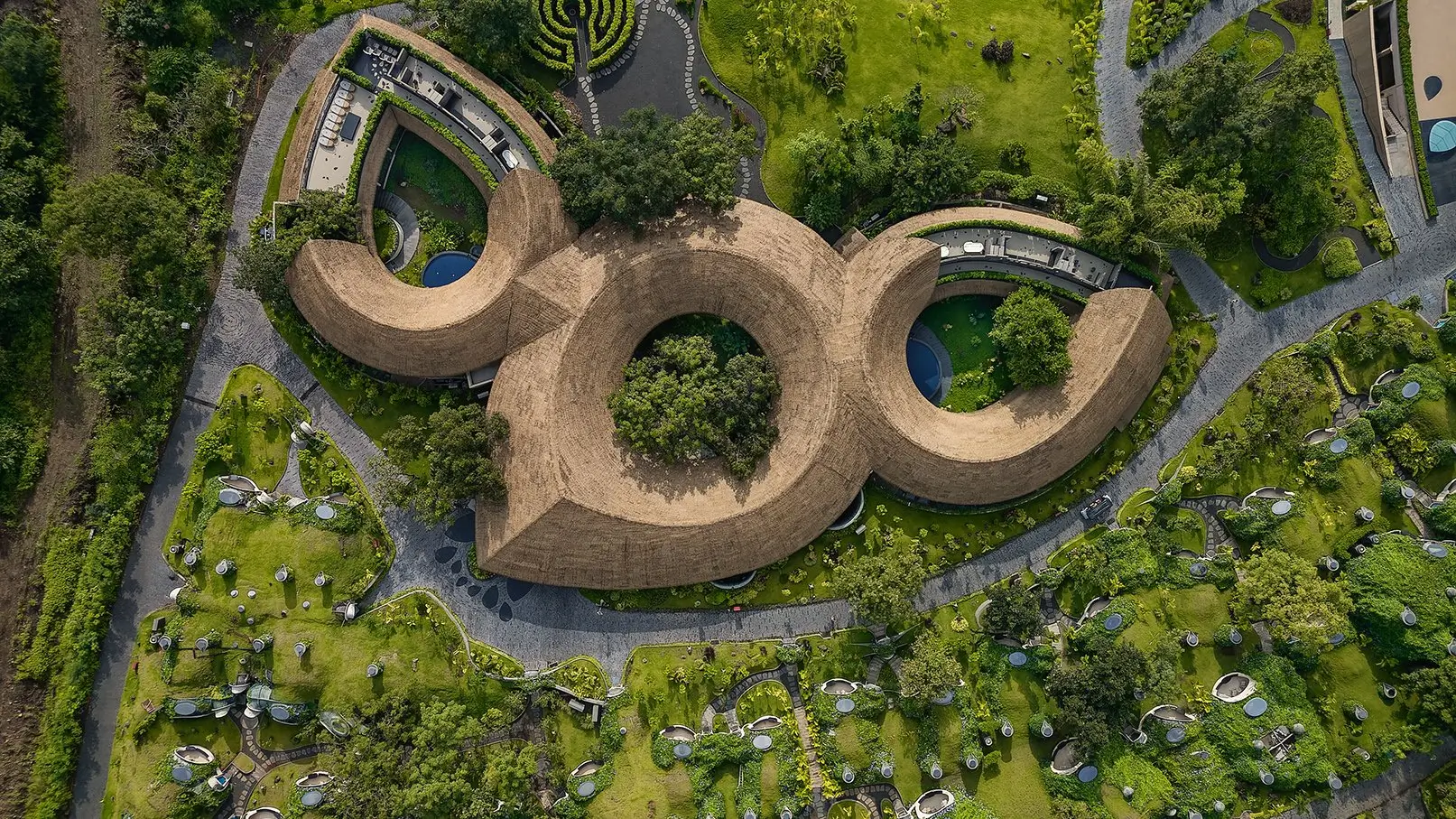
Why Swastik
Eight reasons.
One connected philosophy.
01
A whole-person approach
The programme considers interconnected aspects of wellbeing rather than a single measure or symptom.
02
Personalised through understanding
Consultation and relevant assessments help shape the journey around individual needs.
03
Ancient wisdom. Contemporary care.
Traditional practices are integrated with contemporary assessment and personalised guidance, where appropriate.
04
Five pathways. One connected journey.
The framework brings therapeutic care, physiology, experience and mindfulness together.
05
Beyond a single outcome
The journey considers daily habits, recovery, movement and overall wellbeing.
06
Time Creates Depth
7, 14 and 21-night options allow different levels of time for appropriate support and integration.
07
Progress you can understand
Relevant measures and reviews help the team understand the individual’s progress.
08
Designed to stay with you
Practical routines and guidance support continuity after the stay.
Expected Outcomes
The goal is to support comfort, movement and everyday function.
Individual responses vary. Outcomes depend on starting point, clinical suitability, duration and continued practice. The programme does not guarantee a particular result.